

President William Ruto Signs Controversial Healthcare Bills
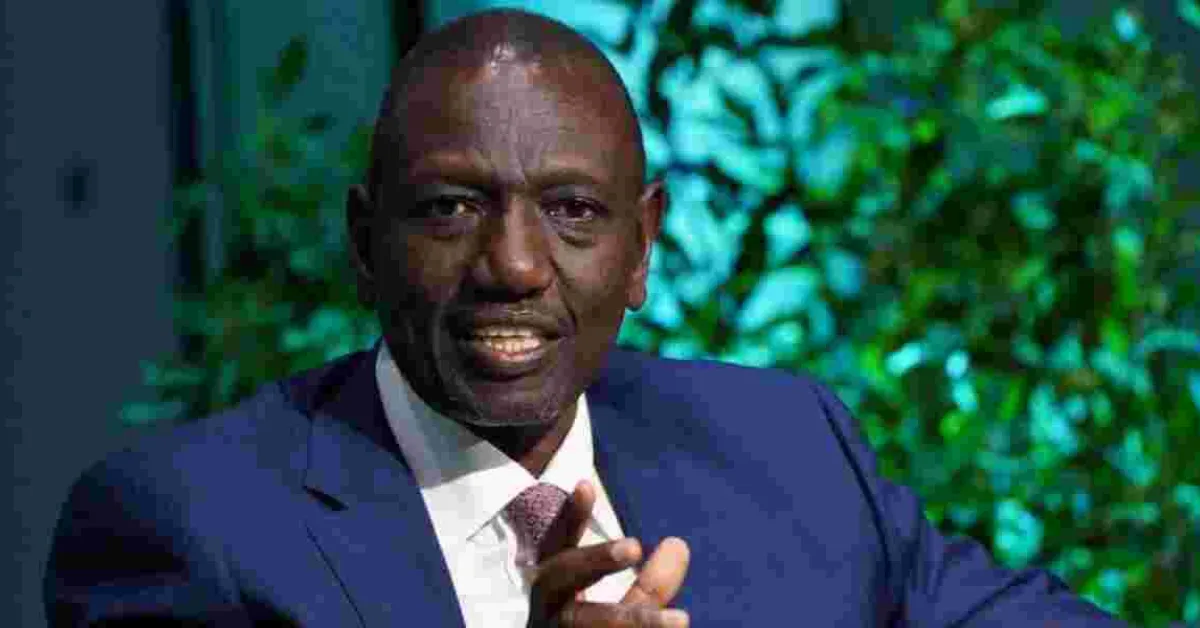
Kenyan President William Ruto has given his approval to a controversial legislation that will bring about significant changes to the country's healthcare sector, marking the most significant overhaul in over two decades.
At the heart of Ruto's proposal lies a plan to make healthcare available to everyone by having all employees contribute 2.75% of their salary into a recently initiated health fund. In theory, this measure will lead to affordable and accessible healthcare for those who are financially struggling. Conversely, this idea does not seem satisfactory to many Kenyans. Instead of a solution, they foresight an added tax amid the country grappling with a burdening cost of living situation. More critics worry that if corrupt elites get a hold of the healthcare fund, issues currently impeding theoretical healthcare affordability in the current system could just as well continue in this new provision.
Regardless, parliament has thrown its support behind Ruto, passing the Social Health Insurance Bill, alongside three other health-related bills. Presently, Kenyans contribute between 150 and 1,700 shillings monthly to the National Health Insurance Fund (NHIF). The introduction of a new law mandates that all Kenyans become members of the Social Health Insurance Fund, replacing NHIF, and contribute to it. President Ruto believes that this universal health insurance will enable every citizen to seek medical treatment without experiencing financial strain. However, the issue of individuals who cannot afford the contributions remains unaddressed in these new regulations. Kenya's Health Minister, Susan Nakhumicha, asserts that the new plan is an improvement as it allows people from all walks of life to contribute based on their income.
Some employers have disagreed the 2.75% deduction law, noting that it may have disastrous effects on businesses. This issue adds to the current cost-of-living crisis that sparked nation-wide protests earlier this year. In June, President Ruto signed the Finance Act, which introduced an unpopular 1.5% housing levy for both employers and employees. This levy aims to assist the government in providing affordable housing during a time when housing prices are exorbitant, making it unaffordable for many urban Kenyans to purchase homes.



















Comments
Aren’t all Bills…
Permalink
Aren’t all Bills controversial in the eyes of the beholder?
The counties with the…
Permalink
The counties with the largest percentage of the uninsured contributes the least to the national revenue. It will hurt more 'mountaineer' businesses than it helps.This is another devolution scam being funded with Mt./region taxes levies.An entitlement program disguised as a health care insurance bill.
My friend, kweli sasa wewe…
Permalink
My friend, kweli sasa wewe huna huruma kwa hali ngumu na baado unaogeza kodi kwa kila jia za maisha. Wajameni sasa ulisikia wapi social program zimefaulu hapa kwa dunia ya leo. Hata huko Canada ambao wana bajeti kubwa pia huduma ya matibabu ya bure yao ni kifo cha hihari au kuponea kwa bahati na sibu. Leo kufanyia upasuaji wa tharura Canada ni lazima ufuge foleni, je unahabari hio?
Kwa ufupi kabisa social program ni sawa na kusema "Man eats society money" na mfano hupo wafanyakizi wengine wa NHIF ni matajiri kuliko wafanyibiashara za watumwa.
Add new comment