

Ndindi Nyoro: Why I Was Not in Parliament During the Finance Bill Vote
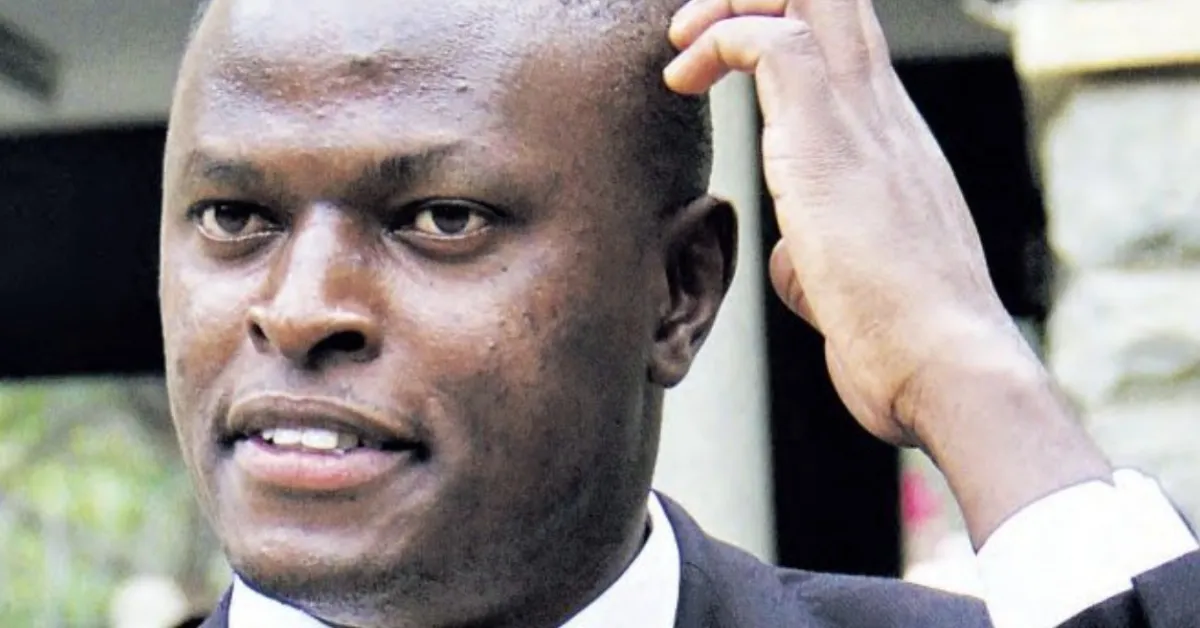
Kiharu MP Ndindi Nyoro has responded to criticism over his absence during Thursday’s vote on the Finance Bill 2026/27, saying he was out of the country on unavoidable engagements when the National Assembly considered the legislation.
The vote recorded low participation among lawmakers. Of the 349 members of the National Assembly, only 162 voted on the Bill, while the rest were absent or did not take part. Nyoro’s absence attracted particular interest because of his prominent role in recent debates on taxation, public debt, fuel prices and government expenditure.
In a statement issued after the vote, Nyoro acknowledged that he was not present in Parliament and accepted responsibility for missing the session. He said he had travelled abroad on Wednesday evening but added that his absence could not be fully justified.
“The vote for the Finance Bill happened yesterday; disappointingly, I was not in Parliament. But no explanation should absolve the blame,” he said.
Nyoro pointed to his involvement in committee discussions and parliamentary debates on the Bill, arguing that he had consistently proposed alternative measures to some government policies. He said he had advocated for proposals aimed at reducing fuel prices, although those recommendations were not included in the Finance Committee’s final report and would require separate legislation.
He also said effective oversight had become more challenging because the leadership of both the majority and minority sides often appeared to take similar positions on key issues. According to Nyoro, this had led him to engage not only through parliamentary processes but also through public forums.
His explanation received mixed reactions online. Some critics questioned why a member of Parliament would prioritise engagements outside the country over a major legislative vote. Others argued that missing such an important session fell short of the responsibility elected leaders owe their constituents.
Supporters, however, defended him, citing his development record in Kiharu and his contributions to national economic discussions. Some argued that a single absence should not overshadow his broader work in public service.




















Add new comment