

Khamenei's Funeral Unveils Political Tensions Amid Delayed Burial
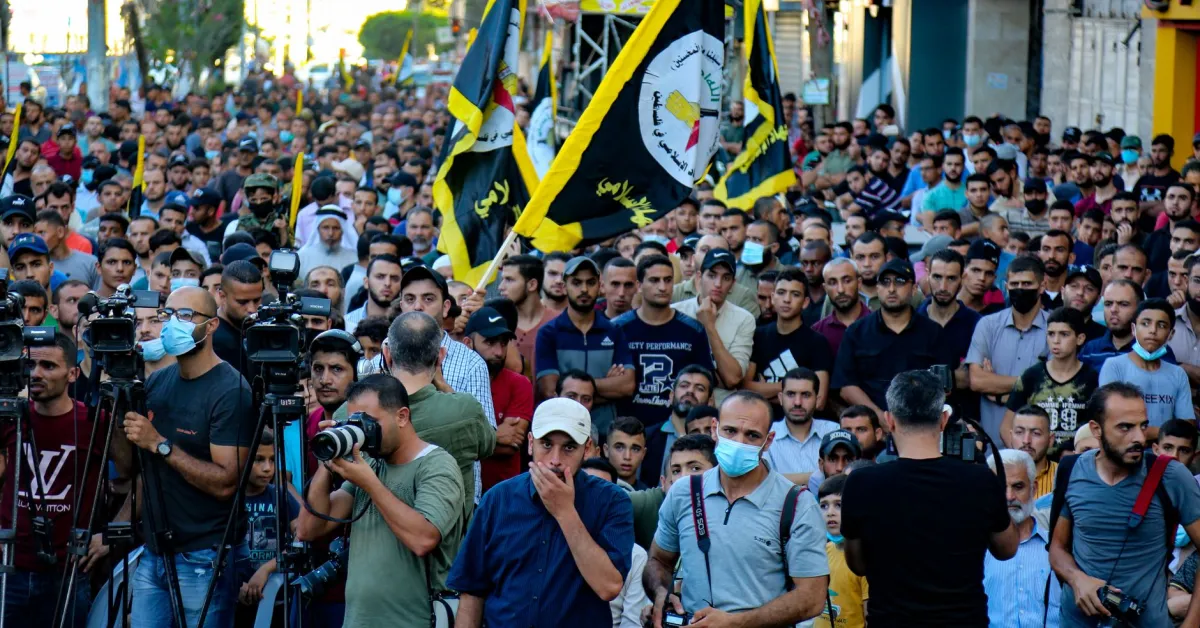
The funeral of Iran's Supreme Leader, Ayatollah Ali Khamenei, has spotlighted the nation's internal political dynamics and the sluggish progress of U.S.-Iran peace talks. The delayed burial of Khamenei, whose remains were preserved for months, has raised questions among Islamic scholars and political analysts regarding the motivations behind such an unusual move. The Iranian government cited political and security considerations for the delay, a decision that has drawn criticism from some religious factions for deviating from Islamic burial customs.
Notable figures in Iran's political landscape attended the funeral, but the absence of Ayatollah Mojtaba Khamenei, a key figure, has fueled speculation about the current power structure within the Iranian regime. The delay and the resulting ceremony appear to have momentarily unified various factions, but as evidenced by the talks, the underlying divisions remain prominent. The U.S.-Iran peace negotiations, aimed at addressing longstanding issues such as nuclear proliferation and economic sanctions, have yet to make substantive headway. A senior U.S. State Department official, speaking on condition of anonymity, expressed concern over the stalled talks, stating, "While we are committed to pursuing diplomatic solutions, the internal dynamics of Iran present significant challenges."
Ayatollah Khamenei's leadership spanned over three decades, during which the country faced international sanctions and domestic unrest. His death has created a vacuum that some fear could lead to instability. Ayatollah Mojtaba Khamenei, who many see as a potential successor, did not appear at the funeral, leading to whispers about his influence or possible sidelining. Meanwhile, Iran's President, Ebrahim Raisi, emphasized the need for unity in a public address, urging all factions to focus on the nation's interests. "At this critical juncture, it is imperative that we stand together for the prosperity and sovereignty of Iran," President Raisi declared, underscoring the government's desire to project stability.
The implications of Iran's internal political shifts extend beyond its borders. With negotiations progressing at a languid pace, tensions persist on the international stage. The U.S., led by President Donald Trump, remains wary of Iran's nuclear ambitions. Secretary of State Marco Rubio has reiterated the U.S. stance, emphasizing, "We are committed to preventing Iran from acquiring nuclear weapons, and we remain vigilant in our diplomatic efforts." The delayed burial and political maneuvering within Iran serve as a reminder of the complex web of domestic and international factors influencing the region.
For African nations and other developing countries, the outcome of U.S.-Iran negotiations carries significant weight. Many rely on stable oil prices and regional peace to fuel economic growth. As the situation evolves, observers will be closely monitoring Iran's internal political movements and the impact on global diplomatic efforts. With the potential for further unpredictability, stakeholders across the globe remain attentive to how Iran navigates this period of transformation.







Add new comment