

Trump Indicates Potential Iran Talks as Tensions Rise in Hormuz
U.S. President Donald Trump has suggested the possibility of further negotiations with Iran following recent military engagements in the strategically critical Strait of Hormuz. This development comes amid escalating tensions in the region after a series of exchanges between U.S. and Iranian forces. The Strait of Hormuz, through which approximately 20% of the world's oil passes, has long been a flashpoint for international conflict, raising concerns about potential impacts on global oil markets and economic stability.
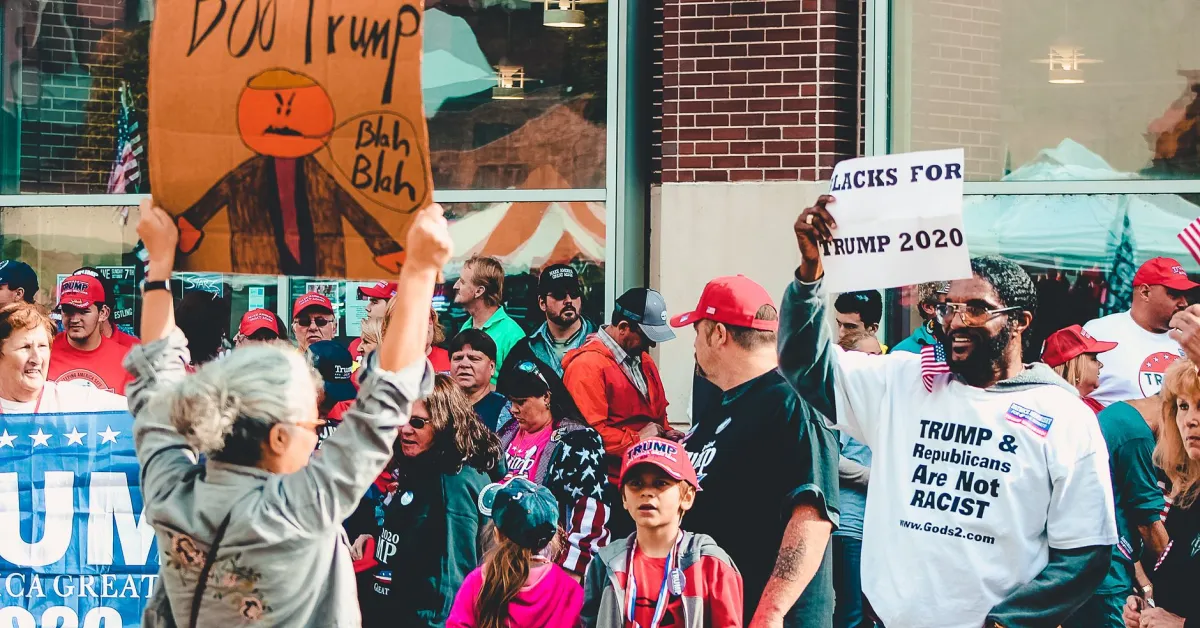
Trump, speaking at a rally in Pennsylvania, hinted at the potential for diplomatic discussions with Tehran. "We are always open to talks, but Iran must first demonstrate its commitment to peace and stability," he remarked. These comments follow a recent confrontation in which U.S. naval forces were involved in a skirmish with Iranian vessels, further complicating the already tense U.S.-Iran relationship. The State Department, under Secretary Marco Rubio, has reiterated the U.S. stance of maintaining free navigation through international waters. Rubio emphasized, "Our priority remains ensuring the safety and freedom of navigation for all nations through the Strait of Hormuz."
The Iranian government has yet to formally respond to Trump's overture, maintaining a cautious stance while dealing with internal political dynamics and external pressures. The recent escalation has revived fears of a broader conflict that could destabilize the region and affect global economies, particularly those dependent on Middle Eastern oil supplies.
For developing nations, particularly in Africa, the implications of rising tensions in the Middle East are significant. Many African economies rely heavily on oil imports, and disruptions in the Strait of Hormuz could lead to increased energy costs, complicating financial stability and growth prospects. Economic analysts warn that a prolonged conflict could exacerbate global oil price volatility, impacting budgetary planning and economic reforms in these regions.
The broader international community continues to watch developments closely, with the United Nations urging restraint and dialogue to avoid a full-scale conflict. As diplomatic efforts continue, the possibility of renewed negotiations represents a potential avenue for de-escalation, though experts caution that significant hurdles remain. Observers point to the necessity of building trust and addressing broader geopolitical issues, including nuclear proliferation and regional security concerns.
As the situation unfolds, stakeholders are encouraged to monitor the U.S.'s diplomatic engagement strategies and Iran's response, which will be crucial in determining the future trajectory of U.S.-Iran relations. The international community remains hopeful that dialogue will prevail over military confrontation, paving the way for a more stable and secure Middle East.









Add new comment