

Pressure Mounts on Port of Rotterdam to Accelerate Green Transition
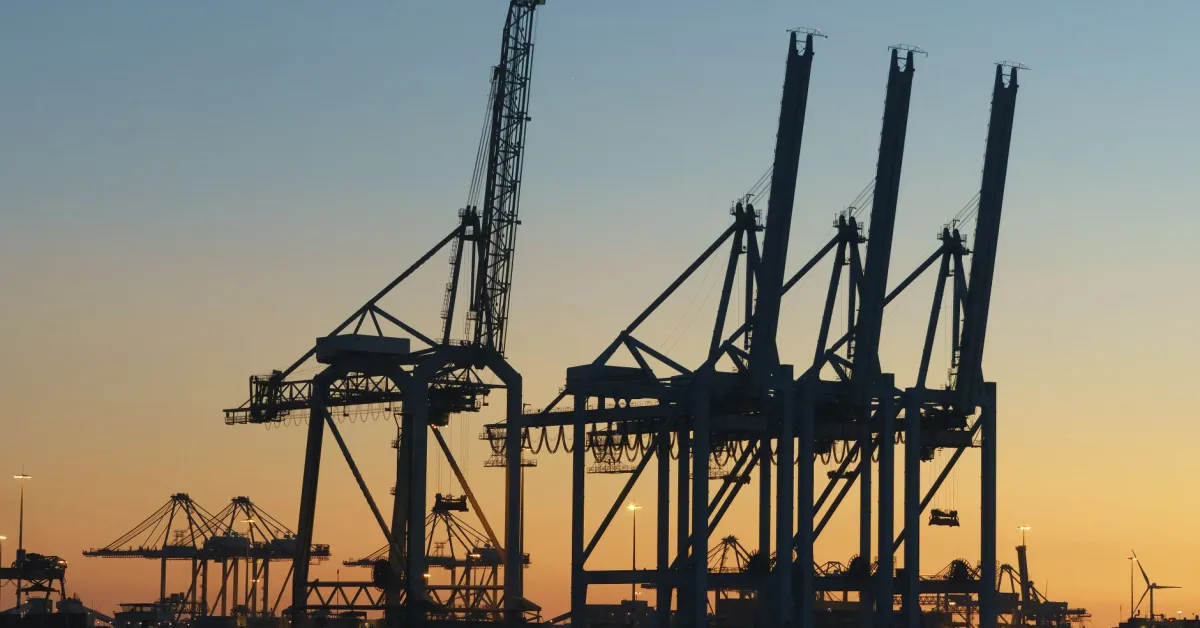
The Port of Rotterdam, Europe's largest maritime hub, faces mounting pressure to expedite its transition to sustainable operations under a new legal challenge aimed at reducing its reliance on fossil fuels. A coalition of environmental groups has filed a lawsuit demanding that the port, which handles approximately 469 million tonnes of cargo annually, accelerate efforts to cut carbon emissions and pivot towards greener energy sources. The legal action underscores the increasing scrutiny on major industrial ports to align with global climate commitments, such as the Paris Agreement, aimed at limiting global warming to 1.5 degrees Celsius above pre-industrial levels.
"The Port of Rotterdam must act decisively to reduce its environmental impact," stated Rutger Groot Wassink, a known advocate for environmental justice, echoing the sentiments of the lawsuit's proponents. "It is imperative that the port not only commits to but actually enacts meaningful change to ensure a sustainable future." The lawsuit asserts that the port's current operations significantly contribute to Europe’s carbon footprint, thus hindering broader efforts towards sustainability.
As the gateway to the European Union’s vast market, the Port of Rotterdam's activities influence economic patterns worldwide, including in developing nations. Its strategic location and infrastructure position it as a key node in global supply chains, making its environmental policies particularly impactful. The port has announced plans to invest in a $2 billion initiative, known as the Rotterdam Climate Agreement, which includes transitioning to renewable energy sources and adopting carbon capture technologies. However, critics argue that these measures fall short of the immediate action required to meet international climate goals.
The push for rapid change comes amid growing recognition of the vital role that ports play in the global economy and their potential to spearhead environmental transformations. "Ports like Rotterdam are crucial in leading the transition away from fossil fuels," said Frans Timmermans, Executive Vice-President of the European Commission for the European Green Deal, advocating for robust environmental policies. "Their role in international trade makes them uniquely positioned to drive significant reductions in carbon emissions and foster long-term economic resilience."
The developments in Rotterdam resonate with port authorities worldwide, including in regions such as Africa, where ports serve as economic lifelines for many nations. As countries on the continent strive for economic growth, the pressure to balance development with environmental stewardship becomes increasingly pronounced. The push for greener practices is seen as critical to avoiding the detrimental impacts of climate change, which disproportionately affect developing regions.
Moving forward, the outcome of the lawsuit against the Port of Rotterdam may set a precedent for other major ports globally, potentially accelerating the shift towards greener maritime practices. Stakeholders within the logistics and shipping industries will be closely monitoring the proceedings, as the implications of this legal challenge could reverberate throughout global supply chains. As the world grapples with the urgent need to address climate change, the actions taken by influential ports will likely play a pivotal role in shaping the future trajectory of sustainable industrial practices.











Add new comment