

China Lands Reusable Rocket, Marking New Milestone in Space Exploration
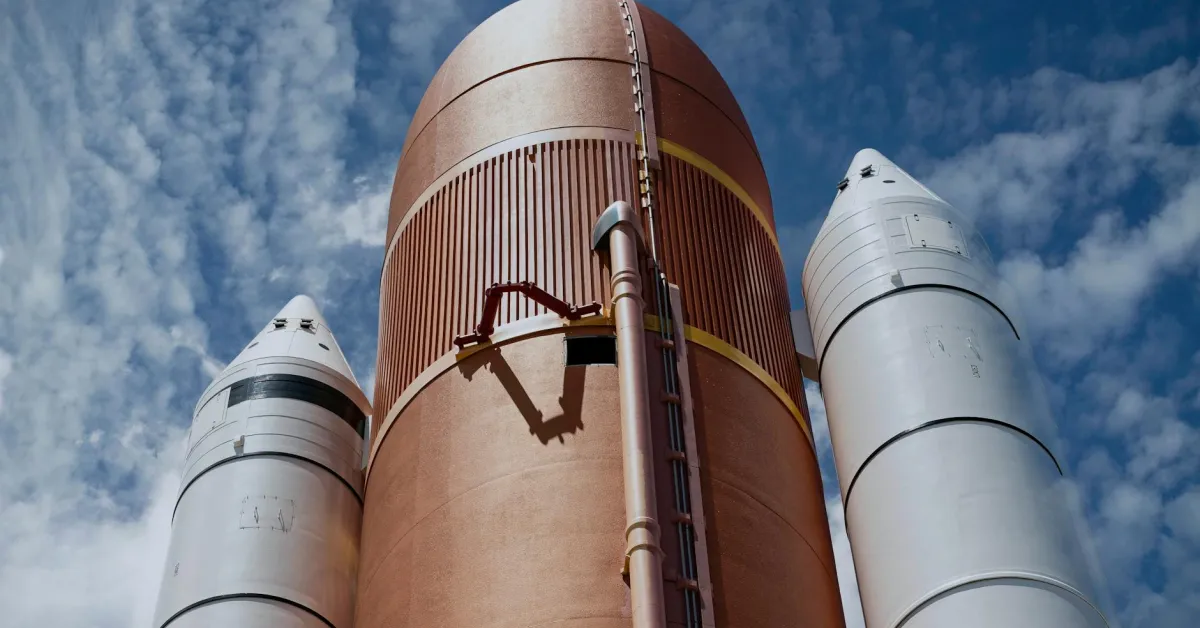
China has successfully landed a reusable rocket for the first time, marking a significant achievement in its rapidly advancing space program. According to the state-run Xinhua News Agency, the rocket completed its mission on July 11, 2026, following a trajectory that mirrors the technological strides made by U.S. companies SpaceX and Blue Origin. This development highlights China's ambition to become a dominant force in the global space industry.
The mission involved a Long March 8 rocket, which lifted off from the Wenchang Space Launch Site in Hainan. It delivered multiple payloads to orbit before executing a controlled return to Earth. The rocket's vertical landing at a designated site solidifies China's capability in reusing launch vehicles, a technique that significantly reduces the cost of space missions. "This successful landing marks a crucial step for our space exploration strategy," said Zhang Kejian, administrator of the China National Space Administration. "This enhances our ability to conduct frequent and cost-effective launches."
China's advancements come as global interest in reusable rocket technology accelerates. The ability to reuse rockets has revolutionized the space industry, reducing launch costs by up to 70% according to industry estimates. SpaceX, founded by Elon Musk, pioneered this approach with the Falcon 9 rocket, achieving its first successful landing in 2015. Jeff Bezos' Blue Origin followed closely with its New Shepard rocket. These developments have set a competitive stage for space exploration, with implications for international cooperation and competition.
The strategic significance of reusable rockets extends beyond economic efficiency. It enables more frequent launches and potentially more extensive exploration of space, including manned missions to the Moon and Mars. China's accomplishments in this arena may influence international partnerships and alignments in space exploration efforts. Marco Rubio, U.S. Secretary of State, emphasized in a recent statement the importance of collaboration: "As nations make strides in space capabilities, cooperation becomes vital to ensure peaceful and sustainable exploration beyond our planet."
This milestone also raises important considerations for developing countries, particularly in Africa, where participation in the burgeoning space economy could foster technological advancement and economic growth. The African Union has expressed interest in leveraging space technology for development goals, indicating potential collaborations with nations like China. As stated by Amani Abou-Zeid, AU Commissioner for Infrastructure and Energy: "Space technology offers transformative potential for addressing the continent's developmental challenges."
Looking ahead, China plans to expand its space capabilities further, including the launch of a modular space station and potential lunar missions. The successful landing of a reusable rocket underscores the nation's growing expertise and ambitions in space, promising further innovations and competitive dynamics in the global space arena.












Add new comment