

Kenyan Embassy in Seoul Expands Consular Outreach as Diaspora Pushes for Voter Registration
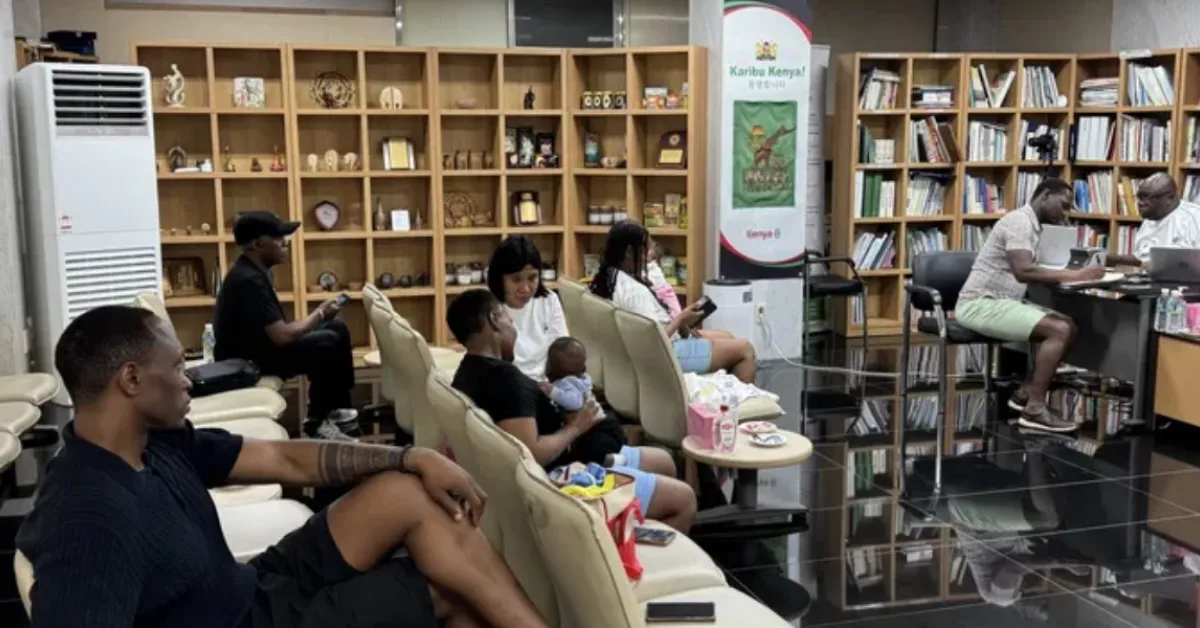
The Kenyan Embassy in Seoul has concluded a three-day Mobile Consular Services exercise, providing passport renewals, birth registrations, and certificates of police clearance and marriage eligibility to Kenyans living in South Korea from 10 to 12 July.
The exercise reduced the need for citizens to travel long distances to the embassy and was welcomed by many members of the Kenyan community. However, participants called for future outreach programmes to include voter registration and national identity card services.
Philip, a Kenyan living in Seoul, said expanding the range of services would allow more citizens abroad to take part in Kenya's democratic processes without returning home. His appeal reflects wider calls from the diaspora as preparations for the 2027 General Election begin.
The outreach followed an earlier appeal by the embassy for citizens to collect passports and Certificates of Good Conduct processed during its March mobile consular exercise. The two initiatives indicate continued efforts to improve access to government services for Kenyans living in South Korea.
Around 400 Kenyans were living in South Korea in 2023. Most are based in Seoul, although communities are also found in Busan, Gwangju, Cheonan and Daegu. The diaspora includes students, academics, engineers, IT professionals and business people who often depend on official documents for work, study and family matters.
The geographical spread of the community has increased the importance of mobile consular services. By bringing services closer to citizens, the embassy helps reduce the time and cost involved in travelling to Seoul for official documentation.
The exercise also comes as questions continue over voting rights for Kenyans living abroad. Passport issuance fell by more than one-third in 2025 compared with the previous year, raising concerns about access to government services.
In September 2025, the Independent Electoral and Boundaries Commission (IEBC) announced that voter registration abroad would not proceed while policy reviews were underway. The decision was criticised by the Diaspora Network Hub, whose founder, Mudge Rulf, argued that it denied Kenyans overseas their constitutional rights.
She asked: "Why the fear for diasporans? Why is the government infringing on the rights of diasporans?"
The latest mobile consular exercise highlights both progress in delivering government services and continuing calls for greater access to electoral services abroad. While passport renewals and document processing remain important, many Kenyans overseas are seeking the opportunity to register as voters and obtain national identity cards through future outreach programmes.





















Add new comment