

US to Introduce Four-Year Limit for International Student Visas
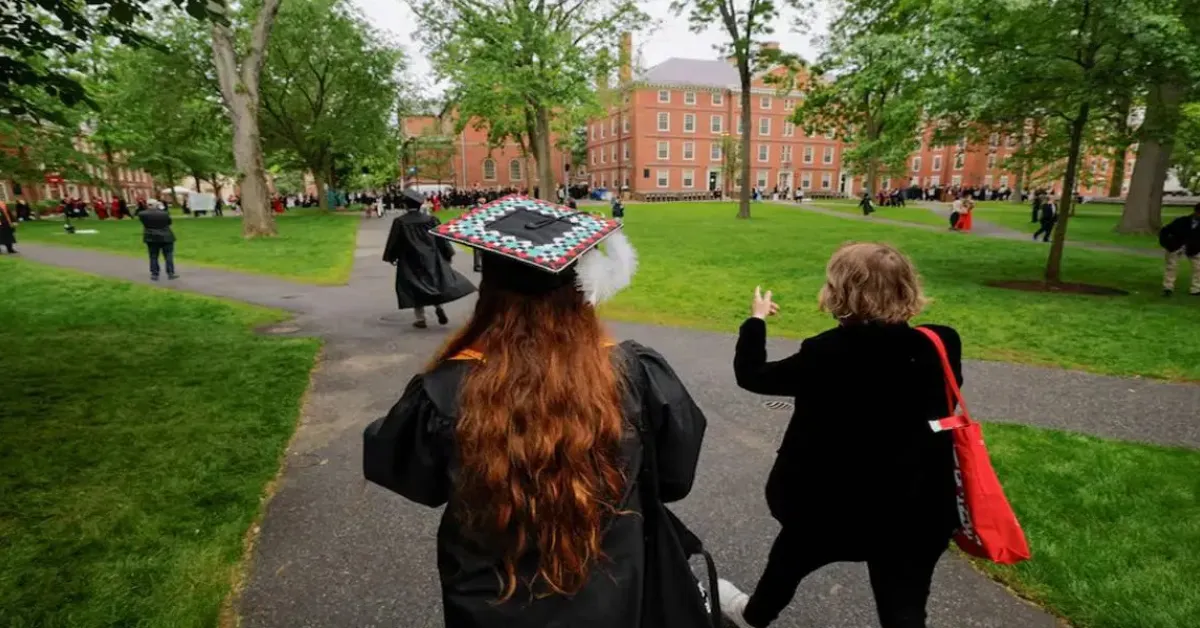
The United States is set to replace its current student visa system with fixed periods of authorised stay, requiring many international students to apply for extensions if their studies continue beyond four years.
The Department of Homeland Security (DHS) has advanced a rule that would replace the long-standing "duration of status" system with fixed admission periods for international students. The proposal was cleared by the White House in June and reviewed by the Office of Information and Regulatory Affairs shortly afterwards. It is now awaiting publication in the Federal Register before it can take effect.
Under the proposed rules, students in the F, J and most I visa categories would be admitted for either four years or the length of their academic programme, whichever is shorter. Additional time would be available for post-completion work authorisation, including Optional Practical Training (OPT) and STEM OPT. The proposal also provides a 30-day period before the start of studies for entry into the United States and a 30-day period after completion for departure.
International students are currently admitted for the duration of their status, allowing them to remain in the country as long as they continue to meet the conditions of their visa. The new system would instead require students whose courses extend beyond the authorised period to apply to US Citizenship and Immigration Services (USCIS) for an extension using Form I-539.
Education specialists say the change could affect students enrolled in longer programmes. Sanjay Laul, founder of MSM Unify, said the fixed-term system creates additional uncertainty for research degrees and PhD programmes, which often take more than four years to complete. He said students could face administrative requirements during their studies, which may discourage some from choosing longer courses.
Saurabh Arora, chief executive of University Living, said the proposal would also reduce the post-study grace period from 60 days to 30. He said the shorter timeframe would add further compliance requirements and could make career planning more difficult for graduates.
The proposed rules could also affect master's students, particularly those intending to take part in Day-1 Curricular Practical Training (CPT) or pursue a second qualification at the same academic level. Employers that recruit international graduates may also face greater uncertainty because extensions would not be granted automatically.
The DHS has said that most international students are expected to complete their studies within the authorised period. However, applications for extensions would be decided by immigration officers, who would have discretion over whether students could remain in the country beyond the initial four-year limit.
The proposal forms part of the Trump administration's broader approach to tightening immigration rules and reducing what it considers misuse of visa programmes. Universities may face additional challenges in recruiting and retaining international students if the new system is introduced.












Add new comment