

Heat Waves in Europe Linked to Thousands of Excess Deaths as Climate Concerns Rise
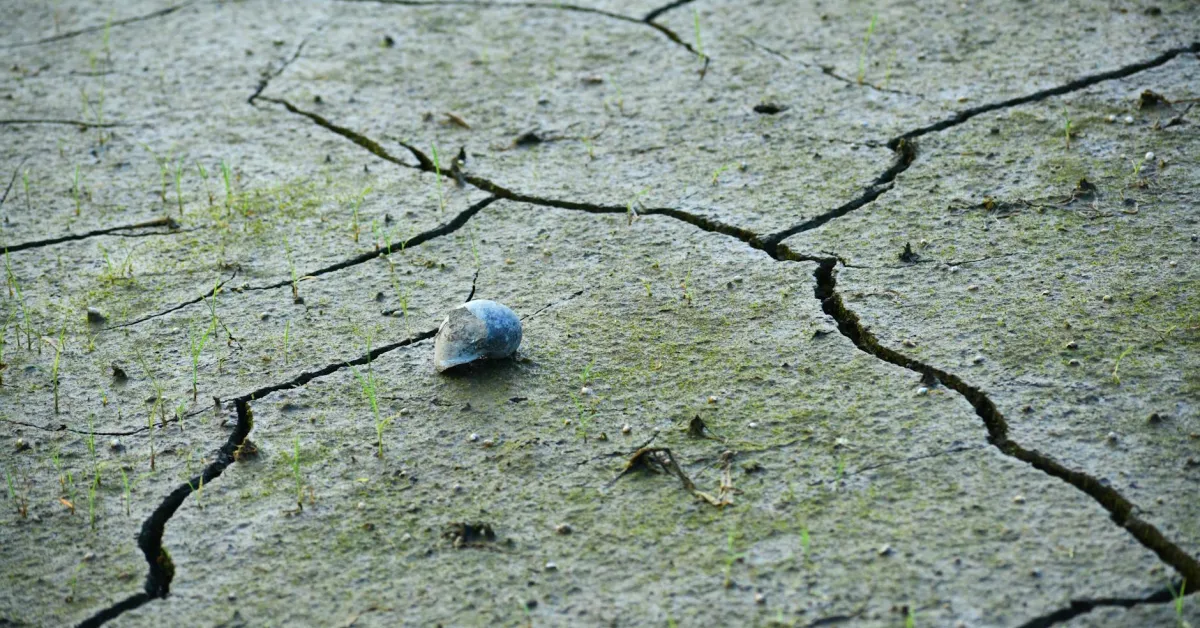
Across Europe, an intense series of heat waves has been linked to thousands of excess deaths, highlighting the growing threat of climate change. Preliminary data indicate that the number of fatalities associated with this year's extreme temperatures is substantial when compared to historical averages, although comprehensive statistics will take months to compile. The European Centre for Disease Prevention and Control has emphasized the need for immediate adaptation measures, stating that these heat waves are being exacerbated by climate change.
According to Eurostat, an estimated 15% increase in mortality rates was observed in the hardest-hit regions, notably in southern Europe where temperatures soared to record levels. The World Health Organization (WHO) has expressed grave concerns over the impact of such temperatures on public health. "We are witnessing a worrying trend where climate-induced heat stress is becoming a significant health emergency," said WHO's Regional Director for Europe, Hans Kluge, urging European governments to fortify their health infrastructures against future climate shocks.
In response to the crisis, several European nations have implemented emergency measures. In Spain, the government launched 'Plan Verano', a comprehensive strategy aimed at mitigating the effects of extreme heat on vulnerable populations. This includes the opening of cooling centers and public advisories on heat safety. France has also activated its 'Plan Canicule', which involves a network of local and national agencies working to protect those at risk.
The economic implications of these heat waves are also significant. The agricultural sector has faced severe disruptions, with France and Italy reporting substantial crop losses. This has sparked concerns about food security and price stability in the region. The European Commission has pledged financial support to affected farmers, as Agriculture Commissioner Janusz Wojciechowski noted, "We must ensure that our food systems are resilient to the impacts of climate change."
Globally, the situation has prompted calls for more robust international cooperation on climate change adaptation. The United Nations Framework Convention on Climate Change (UNFCCC) has emphasized the urgency of implementing the Paris Agreement's goals to mitigate global warming. UN Secretary-General António Guterres highlighted the disproportionate impact on developing nations, stating, "While Europe grapples with these extreme conditions, we must also remember that many developing countries lack the resources to respond effectively to similar crises."
As countries continue to assess the full impact of these heat waves, the broader conversation around climate resilience and adaptation is expected to intensify. Experts are advocating for investments in sustainable infrastructure, early warning systems, and public education on climate risks. The coming months will be crucial in determining how Europe and the world at large will address the escalating climate threats.











Add new comment