

Only 64 of 289 Kenyans Recruited by Russian Army Have Returned Home
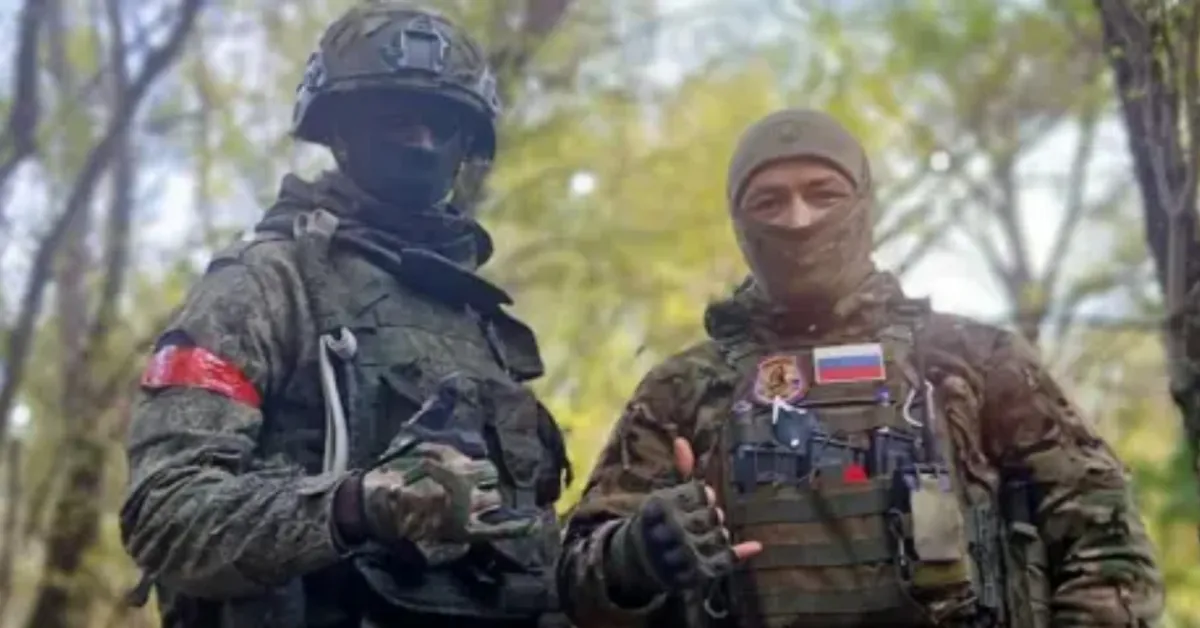
Kenya has confirmed that 289 of its citizens enlisted in Russia's military, with only 64 known to have returned home.
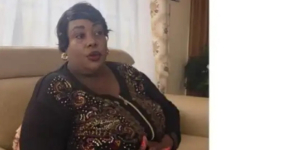
Another 69 have either died or are missing in action, while the whereabouts of 153 remain unknown, according to Principal Secretary for Diaspora Affairs Roseline Njogu. Speaking during a radio interview, Njogu said the figures were based on information provided by families and Kenyans who had returned from Russia.
She said the government was still unable to determine the status of many recruits because they had been deployed in active combat zones, making it difficult to trace them. She acknowledged that casualties were an unavoidable reality of war.
The government has repeatedly stated that Kenya is not involved in the Russia-Ukraine war and has warned citizens against joining foreign armed forces without authorisation. Section 68 of the Penal Code prohibits Kenyans from serving in a foreign military without the approval of the President.
However, the government has chosen not to prosecute those who return, saying this approach is intended to encourage more recruits to seek help and return home safely. Njogu said Kenya had also engaged with Russian authorities to prevent further recruitment of its citizens.
She said discussions between Foreign Affairs Cabinet Secretary Musalia Mudavadi and Russian Foreign Minister Sergey Lavrov resulted in assurances that Kenya would be placed on a "stop list" to prevent additional enlistment of Kenyan nationals. She added that Kenyans serving against their will could seek assistance through the Kenyan Embassy in Moscow to help arrange their return.
The government has urged Kenyans to use recognised migration channels when seeking employment abroad and to verify job offers before accepting them. Njogu warned that informal recruitment networks can expose people to exploitation or draw them into armed conflicts without fully understanding the risks involved.











Add new comment