

U.S.-Iran Tensions Escalate with Targeted Attacks Amid Nuclear Deal Stalemate
Tensions between the United States and Iran have intensified in recent weeks, marked by a series of targeted attacks that underscore the fraught relationship between the two nations. According to U.S. officials, recent operations in the region have been a direct response to perceived Iranian aggression, specifically targeting American forces and interests in the Middle East.
In a recent statement, U.S. Secretary of State Marco Rubio emphasized the need for a firm stance against Iran's activities, stating, "The United States will not tolerate any threats to our personnel and allies in the region. Our resolve to protect our interests is unwavering." This comes amid reports of U.S. military assets being deployed to strategic locations as a deterrent.
Iran, on the other hand, has accused the United States of exacerbating regional instability. Iranian Foreign Minister Hossein Amir-Abdollahian, in a televised address, asserted, "Iran will defend its sovereignty against any provocation. The actions taken by the U.S. are unjustified and will not go unanswered." Tehran's rhetoric has been backed by reports of increased military readiness and strategic deployments within its borders.
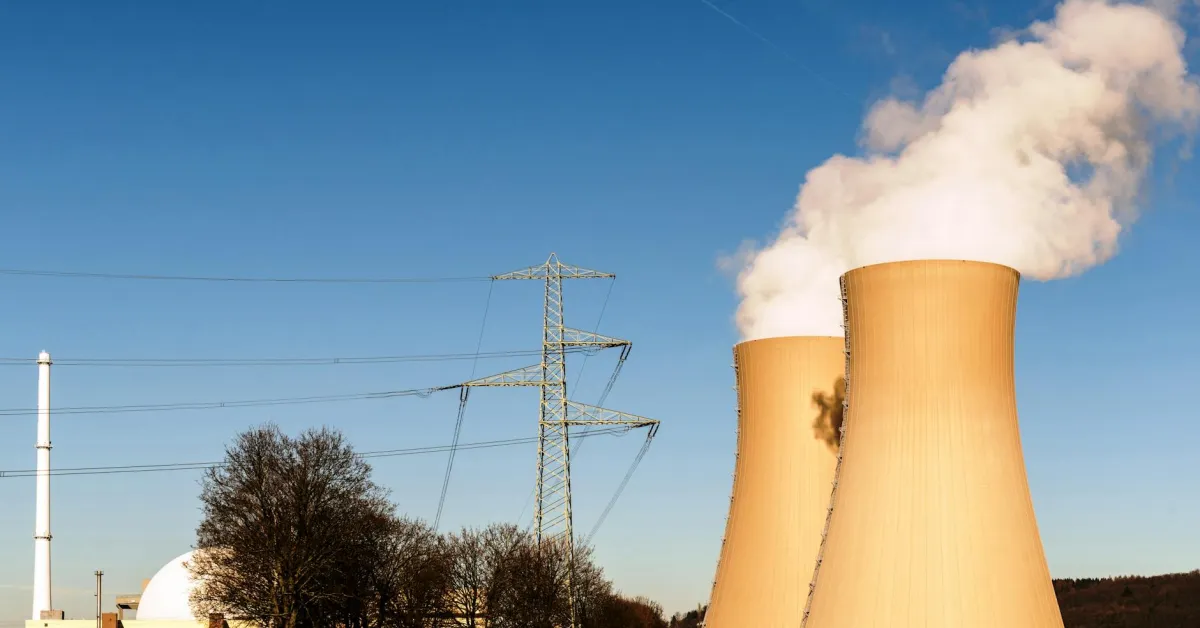
The latest flare-up occurs against the backdrop of a stalled nuclear agreement. Efforts to revive the Joint Comprehensive Plan of Action (JCPOA) have hit multiple roadblocks, with both sides accusing each other of non-compliance. The JCPOA, initially established in 2015, was aimed at curbing Iran's nuclear program in exchange for sanctions relief. However, the U.S. withdrawal from the agreement in 2018 and subsequent imposition of sanctions have left the deal in limbo.
The geopolitical implications of this conflict extend beyond the immediate region. Analysts suggest that continued hostility could disrupt global oil markets, given the strategic importance of the Strait of Hormuz—a critical chokepoint for oil transportation. Additionally, the conflict has drawn attention from global powers, with the European Union urging restraint and renewed diplomatic efforts.
For developing nations, particularly those in Africa dependent on oil imports, the potential for price volatility is a significant concern. Any sustained increase in oil prices could have ripple effects on economies already grappling with inflationary pressures and currency fluctuations.
The international community remains on high alert as the situation develops. Calls for mediation have been made, with some advocating for the involvement of neutral parties to de-escalate tensions. As the world watches closely, the potential for further confrontation looms, with significant implications for regional stability and global economic conditions.










Add new comment