
How Kenya Issues Passports From Online Application to Collection
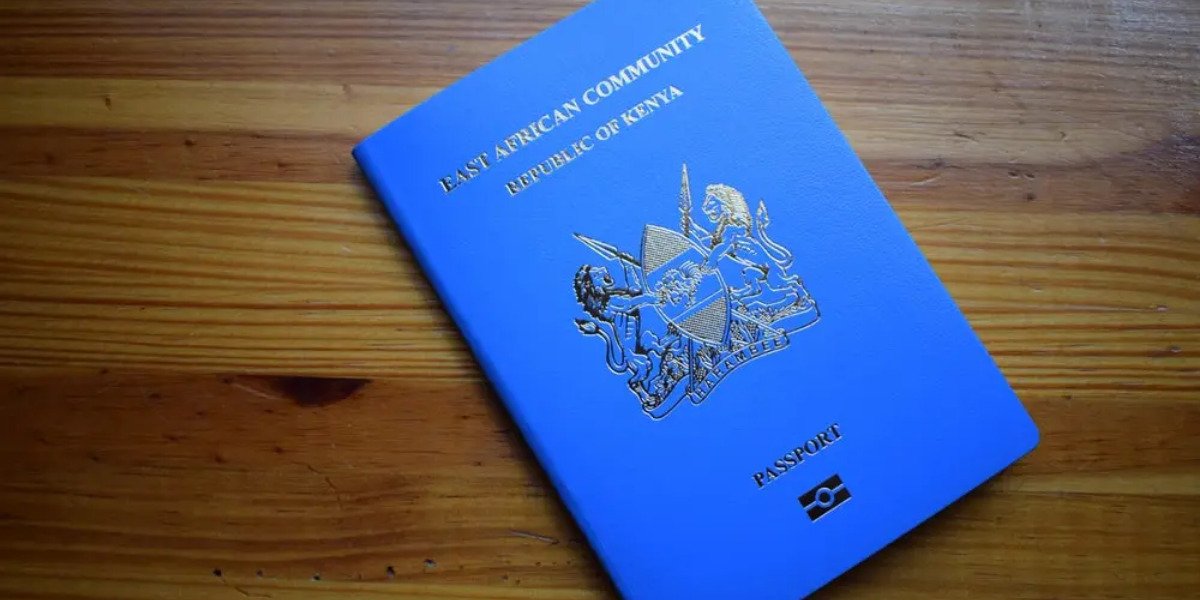
Kenya issues passports through a centrally managed system that combines online applications, in-person verification, and secure production controls.
Applications begin on the government’s e-Citizen portal, where individuals submit personal details, upload required documents such as birth certificates and national identity cards, and pay the prescribed fee. The digital system records each application and creates an electronic file that remains linked to the passport throughout processing.
After submitting the online application, applicants must attend an appointment at a designated immigration office. During this visit, officials collect biometric data, including fingerprints, facial photographs, and signatures. These records are used to confirm identity and prevent duplication. Immigration officers also verify citizenship, examine supporting documents, and conduct background checks against national and international databases. Applications with inconsistencies are referred for further review.
Approved applications move to a central production facility operating under strict security controls. Passport booklets are printed using specialised materials and fitted with security features such as holograms, watermarks, and microtext. Personal data is encoded into an electronic chip in line with International Civil Aviation Organisation standards, allowing the document to be read and verified at international border points.
Each passport undergoes quality checks to ensure accuracy and physical integrity. Documents that fail inspection are destroyed and reprinted. Finished passports are logged by serial number in an inventory system and distributed to immigration offices in Nairobi, Mombasa, Kisumu, Eldoret, and other centres. Applicants receive notification through text messages and the e-Citizen portal, but collection requires further identity verification, usually through fingerprints or a national identity card.
Official timelines indicate a processing period of three to twelve weeks, depending on the type of application. Delays can occur due to shortages of passport booklets, equipment failures, administrative backlogs, or errors in submitted information. These factors continue to affect processing times as demand for passports remains high.






Comments
No comments yet — be the first.