
US Travel Rules Tighten as Passengers Face Increased Questioning at Airports
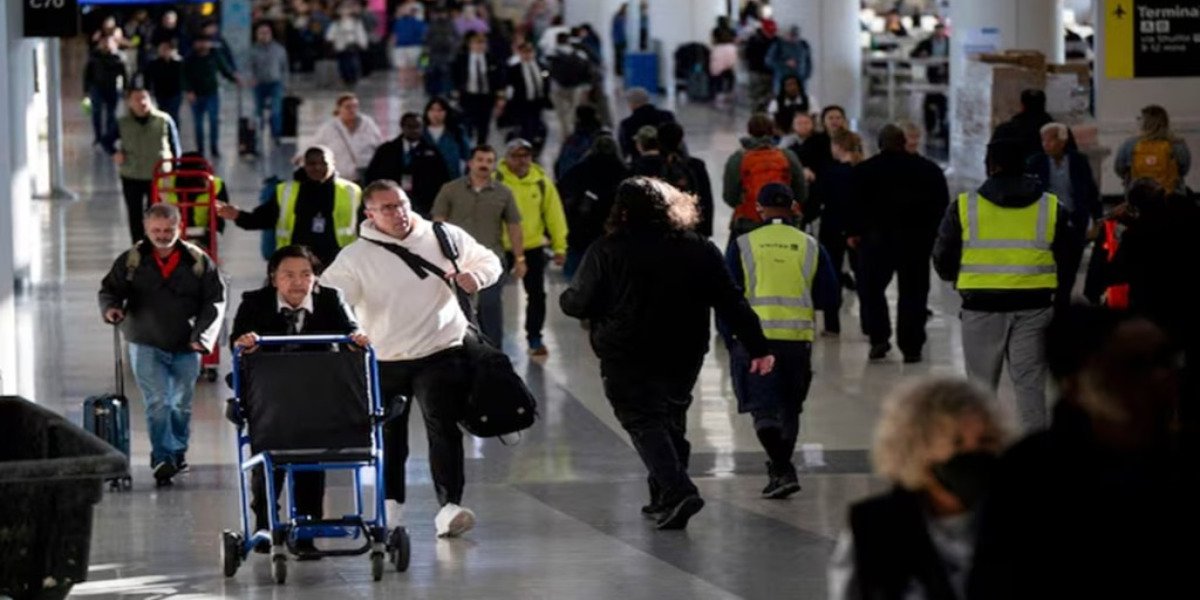
United States border authorities are expanding security screening for international travellers, increasing the use of biometric data and secondary inspections at airports and ports of entry.
The Department of Homeland Security (DHS) plans to widen its biometric collection programme beyond fingerprints and facial images to include iris scans, voice data and, potentially, DNA. The measures would apply to people linked to immigration benefit applications, including international students, foreign workers and tourists. DHS has also confirmed that non-citizens will be photographed both when entering and leaving the country to improve tracking of travel movements.
Travellers are reporting more frequent and unpredictable referrals to secondary screening, which can involve lengthy questioning, delayed boarding or refusal of entry. US officials say these referrals are not always linked to law enforcement records and may be triggered by travel patterns or random selection. As a result, individuals may continue to face additional checks even after previous issues have been resolved.
DHS operates the Travel Redress Inquiry Program (DHS TRIP) for travellers who believe they have been wrongly flagged during screening. The programme allows individuals to request corrections to inaccurate or outdated information held by government agencies. Applicants are advised to submit detailed accounts of their experiences, including dates, locations and relevant circumstances.
In cases involving alleged visa overstays or similar claims, travellers must provide evidence disputing the record, along with identity documents such as a copy of their passport. DHS notes that while the programme can correct errors, it cannot prevent future inspections, as some screening is conducted at random.
Another option is a request under the Freedom of Information Act (FOIA), which allows individuals to obtain records held by Customs and Border Protection (CBP). These requests can provide entry and exit histories and are often used by people applying for permanent residency or citizenship. FOIA requests are limited to existing records and cannot be used to ask general questions or seek explanations.
DHS says that personal information submitted through DHS TRIP or FOIA is protected and used only to process requests. Where a lawyer or other representative acts on behalf of an applicant, formal authorisation through Form G-28 is required. However, DHS acknowledges that some travel records may be incomplete, particularly for permanent residents who crossed US land borders with neighbouring countries.




Comments
No comments yet — be the first.