
Magarini By-Election Set for 27 November Following Supreme Court Nullification
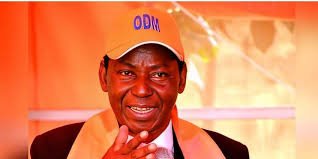
Magarini voters head to the polls on 27 November in a closely watched by-election that follows the Supreme Court’s nullification of the 2022 parliamentary result.
The repeat vote comes after the court found that irregularities had compromised the narrow contest between ODM candidate Harrison Kombe and his challenger at the time, Stanley Kenga. The by-election unfolds in a constituency long affected by severe socio-economic challenges and shifting political alliances.
Magarini remains one of Kilifi County’s most deprived areas, burdened by chronic water shortages, recurring droughts, erratic floods and persistent land disputes. Residents describe long nights waiting at boreholes that were expected to be sustainable through solar power but have become unreliable as water tables fall and rainfall patterns change.
County projects, including solar-powered water kiosks launched in 2019/2020, have struggled to operate consistently under worsening climatic conditions. Food insecurity has intensified after crop losses caused by the 2024 floods and below-average rains this year.
County officials list Magarini, Ganze and parts of Malindi and Kaloleni among the hardest-hit regions. Specialists in drought response say only expanded irrigation can provide lasting relief, noting that many existing water pans and dams are no longer sufficient.
Human–wildlife conflict, particularly involving hippos along the Sabaki–Galana River, has also increased as environmental pressures reshape daily life. Land ownership disputes continue to hinder development.
Large areas, including the Chakama ranch, remain only partially adjudicated. Unregulated settlement has created insecurity and complicated efforts to address tragedies linked to cult activities in Shakahola and nearby communities.
Squatters without title deeds remain vulnerable to eviction by absentee landowners. Public services are stretched across this wide constituency. Education officials report a severe shortage of ECDE centres, forcing young children to walk long distances.
Health facilities are similarly limited: in remote villages such as Kilulu near Tsavo East National Park, reaching the nearest dispensary requires expensive motorcycle travel, making healthcare difficult to access. Many residents must cover several kilometres to find reliable policing or routine medical care.
These conditions have shaped the campaign period, although analysts say political realignments have dominated the race more than policy discussion. Ten candidates are on the ballot, with attention focused on Mr Kombe, running again on the ODM ticket with support from Kenya Kwanza-aligned parties, and Mr Kenga, now contesting under the Democracy for Citizens Party after leaving UDA.
Mr Kombe has highlighted projects he says stalled after his 2022 win was overturned, including the Magarini KMTC in Shakadulo, an agricultural institute in Ramada and a sports academy near Galana TTC. He also cites delays in classroom construction in Marekebuni due to procurement issues.
Mr Kenga rejects claims that he was offered a government post to withdraw from the race. Other candidates, from parties including the Democratic National Alliance, Roots Party, Kenya Social Congress and TWAP, as well as independent contenders, bring additional layers to the contest. Some aspirants, such as Wiper’s Samwel Kombe Nzai and PAA’s Michael Kingi, stepped aside to endorse the frontrunners.


Comments
No comments yet — be the first.