
Ruto Camp Claims Two By-Election Wins as Opposition Faces Early Setback
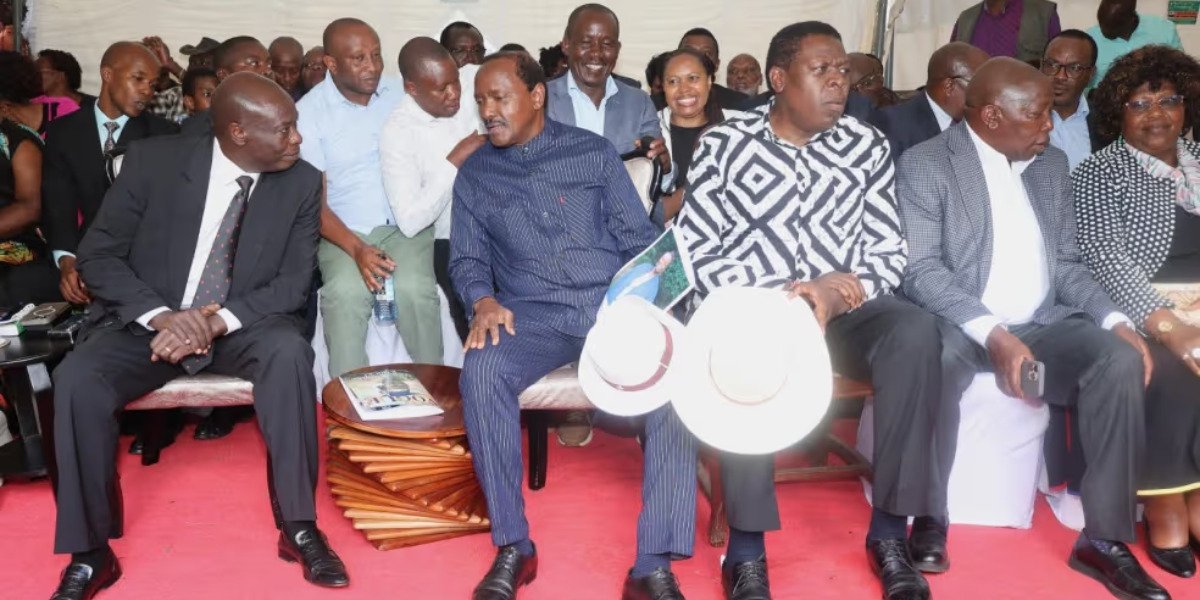
Government-backed candidates have won two of three parliamentary by-elections in Mbeere North, Malava and Magarini, dealing an early blow to the united opposition and strengthening President William Ruto’s political camp.
The results, which had been positioned as a key test ahead of the 2027 elections, exposed persistent divisions within the opposition coalition and raised doubts about its preparedness for a national contest. While opposition leaders publicly accused the government of intimidation, vote-buying and misuse of State resources, the outcome highlighted internal weaknesses in organisation, messaging and strategy.
President Ruto welcomed the victories during a public address in Nakuru, suggesting his team had not yet deployed its full campaign machinery. His remarks signalled the administration’s view of the by-elections as an important measure of political momentum following a turbulent 2024.
Former Deputy President Rigathi Gachagua’s Democratic Citizens Party (DCP) secured a second-place finish in Magarini, a constituency where it previously had little presence. Gachagua framed the showing as a sign of growth and promised to expand operations at the Coast, even as he rejected the official results and accused the State of coercion and financial influence.
Wiper leader Kalonzo Musyoka and DAP-K leader Eugene Wamalwa issued similar claims, arguing the political environment had become increasingly restrictive. Beyond these allegations, the opposition’s main challenge lay in the gap between its expectations and the electoral outcome. Its leaders had cast the by-elections as proof of renewed unity, particularly after shifting alliances that saw some ODM figures move closer to the government.
Instead, the contests revealed inconsistent grassroots organisation and a lack of a clear ideological direction. Analysts attributed the struggles to a broader identity issue within the coalition. Political commentator Joshua Nyamori argued that movements centred primarily on grievance risk losing coherence without a clear policy agenda.
He noted that voters expect more consistent proposals for governance.
Scholars such as Prof Macharia Munene pointed to strategic errors, including Gachagua’s decision to assert influence in regions where his support remains uncertain.
Munene said such declarations galvanised the government’s campaign and created expectations the opposition was unable to meet, though he cautioned that Kenya’s political landscape remains unpredictable. Opposition figures nevertheless maintained that the results showed competitive potential.
Nairobi MP Benjamin Gathiru argued that the coalition could still mount a strong challenge in 2027 if it unites behind a single presidential candidate. He pointed to the DCP’s win in a Nairobi MCA race as evidence of the party’s growing urban presence.
The government’s victories in Malava and Mbeere North, delivered by UDA candidates David Ndakwa and Leonard Muthende, provided the ruling side with symbolic gains at a time of economic pressure. Analysts such as Prof David Monda said the results may allow President Ruto to reassess his coalition and strengthen emerging alliances ahead of 2027.




Comments
No comments yet — be the first.