
Ruto–ODM Pact Edges Toward Formal Alliance Ahead of 2027 Elections
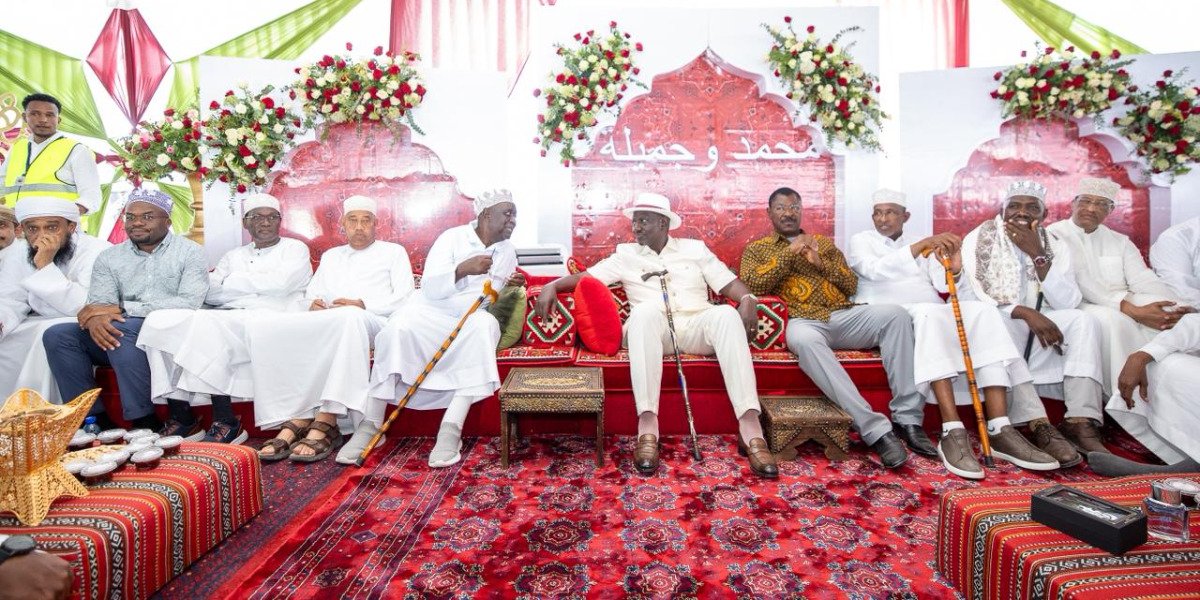
Kenya’s political pact between President William Ruto and the Orange Democratic Movement (ODM) is moving toward a structured alliance that could shape the 2027 elections.
Senior figures from both sides have recently indicated that the 10-point reform agenda agreed by President Ruto and the late Raila Odinga is evolving into more than an administrative programme. National Assembly Minority Leader Junet Mohamed says roughly half of the commitments have been completed, with the rest advancing through various stages.
He argues that the momentum places both parties close to a formalised political arrangement. ODM leader Oburu Oginga, who succeeded Odinga, has stated that the party cannot influence national policy from outside government, a position that appears to resonate within its top leadership despite internal reservations.
The committee overseeing the reforms, chaired by former senator Agnes Zani with Javas Bigambo as vice chair, reports that implementation is progressing as planned. Their bi-monthly updates cite advances in electoral reforms, youth programmes, disability rights legislation, and preparations to reconstitute the Independent Electoral and Boundaries Commission (IEBC).
They also note progress on reducing production costs, restructuring public debt, expanding e-procurement, and increasing county funding. One area facing delays is compensation for families affected by protest-related violence. A court case disputing the mandate of the reparations panel has stalled the process.
Mohamed has urged the Judiciary to resolve the matter quickly, saying the delay affects one of the pact’s most sensitive commitments. The political implications of the reform work are increasingly evident. Bigambo describes the agenda as the foundation of an emerging UDA–ODM framework aimed at economic restructuring and political stability.
UDA officials, encouraged by recent by-election victories, argue that public support reflects confidence in the broader partnership. ODM, however, remains divided. Secretary-General Edwin Sifuna has rejected claims that the memorandum of understanding constitutes a coalition agreement or a commitment to support UDA in 2027.
He has accused the government of breaching parts of the pact, particularly on ending extra-judicial killings and abductions. Siaya Governor James Orengo has also questioned the MoU’s legal weight, noting that it is not enforceable under the Political Parties Act.
Analysts suggest that any coalition, if it materialises, is more likely to emerge through gradual implementation and strategic alignment than through a single formal announcement. UDA deputy secretary-general Omboko Milemba says decisions by President Ruto and Oburu will ultimately determine the direction of the 2027 strategy.
UDA organising secretary Vincent Kawaya adds that ODM’s recent positioning should be viewed as part of the usual negotiation process before coalition talks. The Zani committee is expected to issue its final report on 7 March next year, one year after the MoU was signed.


Comments
No comments yet — be the first.