
Underpaid and Overqualified: Kenya’s PhD Employment Dilemma

Kenya is facing a growing problem: many of its PhD graduates are unable to secure stable, well-paid work despite years of advanced study.
Kenya’s most highly educated citizens increasingly find themselves underemployed, even though the country produces only 300 to 400 PhD graduates a year, far below the national target of 1,000. According to the Commission for University Education, the total number of doctorate holders remains under 10,000, yet unemployment within this group continues to rise.
The result is a clear mismatch: Kenya does not generate an excess of PhDs, but it has not created enough opportunities to absorb them. The higher education sector reflects the scale of the challenge.
Universities, long considered the main employers of doctoral graduates, are struggling with reduced government funding and falling student enrolment in private institutions. Many now depend heavily on part-time lecturers who work across several campuses, often with limited pay, no job security, and almost no support for research.
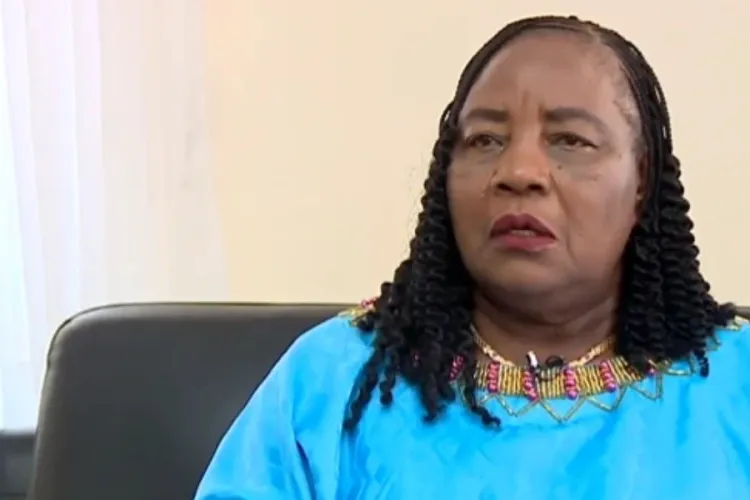
Dr Vince Arasa Nyabunga, a Kiswahili and Communication lecturer, describes this trend as “intellectual casual labour,” noting that some PhD holders teach in up to three universities while handling classes of more than 700 students. Part-time lecturers may earn as little as Sh7,000 per course, an amount that fails to meet basic living costs.
Dr Nahashon Nyangeri Akunga similarly warns that the academic sector has become commercialised. He says many universities operate with only a small number of full-time staff, relying on the rest as casual workers. He adds that hiring processes are often unclear and influenced by tribalism and patronage, weakening merit-based recruitment.
The difficulties extend beyond universities. In Machakos County, early childhood education teachers, including some with postgraduate qualifications, earn a flat monthly salary of Sh18,000 regardless of academic level. Teacher-to-pupil ratios can reach 1:80, twice the recommended standard, reducing the quality of instruction. Many highly trained teachers report that years of study have brought limited professional reward.
With limited recognition for advanced qualifications, some PhD holders have turned to small businesses, consultancy, or translation work. Others have moved to neighbouring countries such as Tanzania, Rwanda, and South Africa in search of better prospects.
In many developed economies, doctoral graduates play central roles in government research units, innovation centres, and industry laboratories. They influence economic planning, contribute to scientific development, and support national policy. In Kenya, the PhD is still largely viewed as a teaching credential, restricting highly trained experts to lecture halls rather than integrating them into key decision-making spaces.
Dr Nyabunga argues that this narrow perception overlooks valuable expertise. He notes that economists could support fiscal policy, scientists could lead research on food security and climate change, and linguists could contribute to national communication strategies. Instead, many of these specialists remain underused.





Comments
No comments yet — be the first.