
Study: 60% of Kisumu Fish Contaminated with E. coli
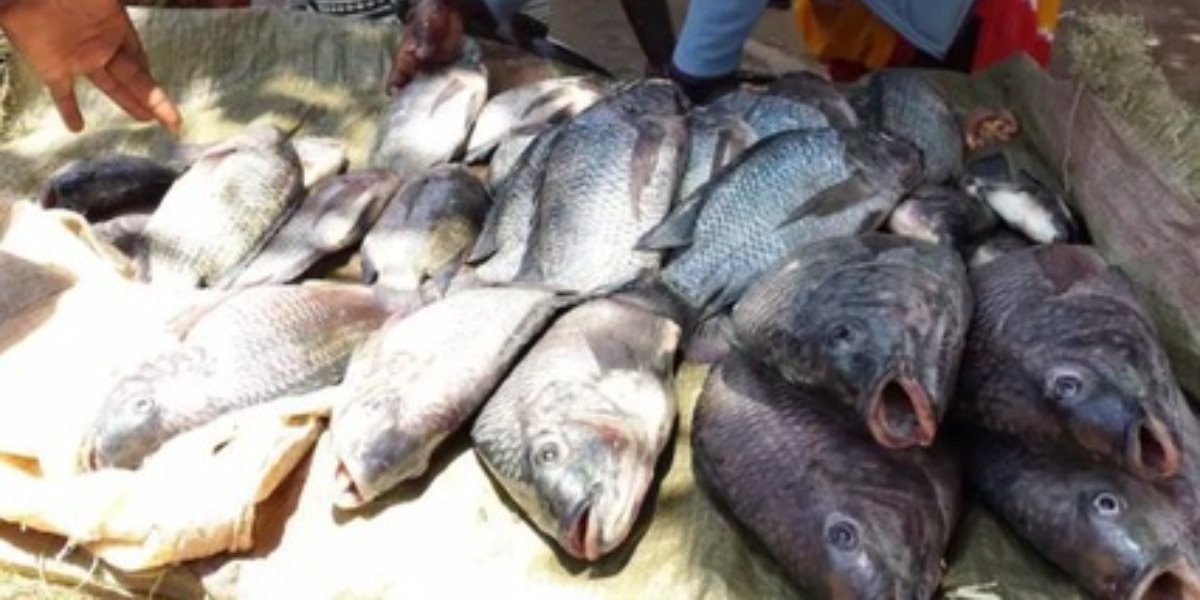
A new study shows that most fish sold in Kisumu contain Escherichia coli (E. coli), including strains linked to growing antibiotic resistance.
The investigation, led by Dr Silas Onyango Awuor of Jaramogi Oginga Odinga Teaching and Referral Hospital, was prompted by his concern over discarded diapers along the shores of Lake Victoria. He sought to determine whether such waste was affecting the safety of fish sold in local markets.
Out of 256 tilapia and mudfish samples collected, 153 tested positive for E. coli, representing 60 per cent of those examined. Although E. coli naturally exists in the human gut, certain strains can cause serious infections such as urinary tract disease and meningitis.
These strains also adapt quickly by acquiring resistance genes, which makes treatment more difficult. Dr Awuor said the high rate of contamination was likely linked to poor waste disposal and weak hygiene practices throughout the fish supply chain.
He noted that diapers washed into the lake can introduce harmful bacteria into the water and, ultimately, into fish stocks. The study places Kisumu’s fish markets within a wider global concern over antimicrobial resistance (AMR).
Researchers observed that aquaculture is both vulnerable to contamination and a potential source of resistant bacteria. Misuse of antibiotics in fish farming, combined with environmental contamination from improper waste disposal, creates conditions that support the development of resistant strains.
These bacteria can then reach consumers through food, increasing public health risks. Despite the findings, Dr Awuor emphasised that fish remains safe to eat when properly cooked. He urged consumers and handlers to follow strict hygiene measures, including thorough handwashing, to reduce the risk of infection.
He also called on government authorities to enforce stronger waste disposal rules and encouraged manufacturers to explore ways of neutralising pathogens in used diapers. The research was presented during World Fisheries Day and immediately prompted calls for further investigation at landing sites to identify the sources of contamination.
In response, the hospital’s Anti-Microbial Resistance Committee introduced a new charter under the One Health framework, which recognises the links between human, animal, and environmental health. The 2025 strategy focuses on surveillance, structured sampling of lake water and fish, and closer collaboration among government, fisheries, and public health agencies.
Beyond the laboratory results, the study highlights the pressure facing Lake Victoria, which supports thousands of fisherfolk and remains central to Kisumu’s economy. Pollution and poor management practices continue to threaten the lake’s ecosystem.
During World Fisheries Day, the committee conducted outreach to fishing communities, promoting awareness of AMR, safe fish handling, and the importance of hygiene.






Comments
No comments yet — be the first.