

The Science of Scent: How Fragrance Shapes Human Attraction
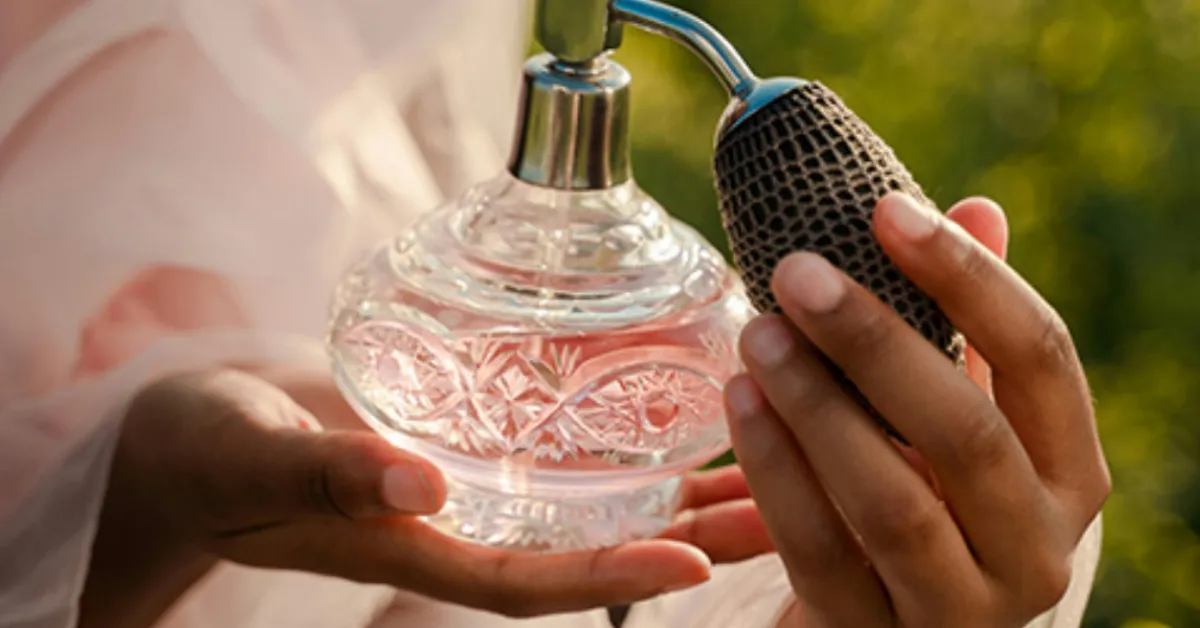
Fragrance plays a significant role in human attraction, with scientific research revealing its influence on biological and genetic factors.
Studies suggest that scent can act as a powerful signal, guiding mate selection and reflecting compatibility at a genetic level. Among animals, scent is a primary form of communication, often influencing mating behaviour. While humans are more subtle, research indicates that body odour also plays a role in attraction.
For example, men find women's scents more appealing during their fertile phase, while women are drawn to the odours of men who exhibit traits like confidence and social dominance. Genetics further shape our scent preferences.
The major histocompatibility complex (MHC), a set of genes linked to immune function, plays a key role in this process. People are more likely to be attracted to those with different MHC profiles, as this may enhance the health of potential offspring.
This genetic compatibility is not unique to humans, but observed across many species, suggesting that scent acts as a biological marker guiding mate choice.
Perfume itself has a rich history, stretching back thousands of years.
Archaeological evidence from Cyprus indicates that perfume factories existed as far back as 4,000 years ago. Historically, fragrance was associated with luxury and social status, often used to mask unpleasant odours from infrequent washing. Over time, it became a symbol of refinement.
In contemporary society, perfume is more than just a tool to cover bad smells. Recent studies show that individuals tend to select fragrances that complement their own natural body odour.
When participants applied their preferred scent, others found the resulting combination more attractive than when an unfamiliar fragrance was used. This suggests that personal preference plays a crucial role in fragrance selection, and perfumes can enhance, rather than mask, natural body scents.
Studies also show that scent preferences are linked to MHC profiles, reinforcing the idea that people are drawn to fragrances that align with their biological signature. Interestingly, when individuals try to select perfumes for others, these correlations disappear.





















Add new comment