
Kenyan Teacher Redefines Learning in New York Classroom
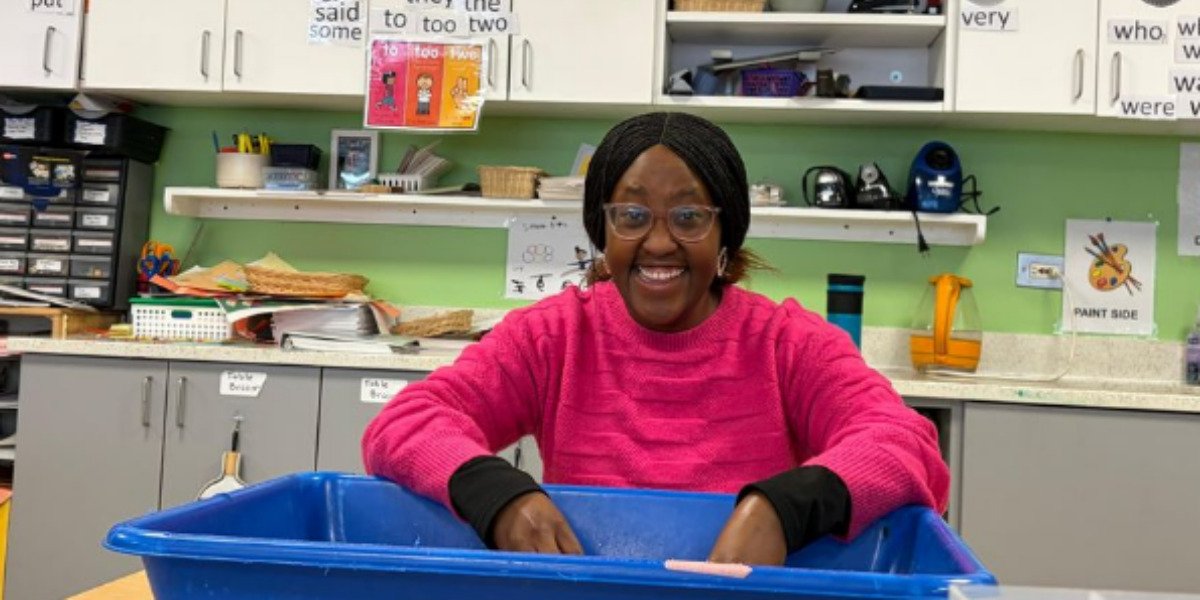
Njeri Gachathi, a first-grade teacher from Kenya, has turned her unique cultural identity into a powerful tool for reshaping education in one of New York City’s most progressive schools.
For years, Gachathi viewed her African heritage as a challenge in predominantly white teaching environments. Her name, often mispronounced, marked her as an outsider before she even entered a room. However, over time, she has come to embrace her "otherness," realising that her background allows her to challenge assumptions within American education.
"We can’t assume everyone has the same reference points," she notes, pointing out that traditions such as Thanksgiving or Halloween were not part of her upbringing. This absence enables her to highlight the cultural specificity of what many consider universal customs.
Her approach goes beyond cultural awareness to influence her teaching methods. In mathematics, for example, Gachathi uses Kiswahili’s straightforward number system, such as “kumi na moja” (ten and one), to demonstrate how language shapes understanding.
Research suggests that children who learn in languages with clearer numerical systems tend to grasp concepts like place value more quickly. By introducing Kiswahili alongside English, Gachathi teaches her students that no single language is inherently superior or more accurate.
Her emphasis on community also plays a key role in her pedagogy. Drawing from the Kenyan principle of harambee, which promotes collective work and shared responsibility, she fosters a classroom culture where collaboration is prioritised over individualism. This cultural framework informs her resistance to the American focus on constant productivity, advocating instead for rest and unstructured time as valuable components of a child’s development.
Gachathi’s personal experience of being far from family also shapes her empathetic approach. She understands the emotional challenges that children face when separated from their loved ones at school. "It’s hard to say goodbye. I know," she tells her students, offering comfort based on her own experience of living away from relatives.
One of the most significant aspects of her teaching is the inclusion of her own languages. This approach ensures that difference is not viewed as exotic, but as an integral part of the classroom environment.






Comments
No comments yet — be the first.