
Facing H-1B delays? Attorney Shares an Underused Path to US Residency
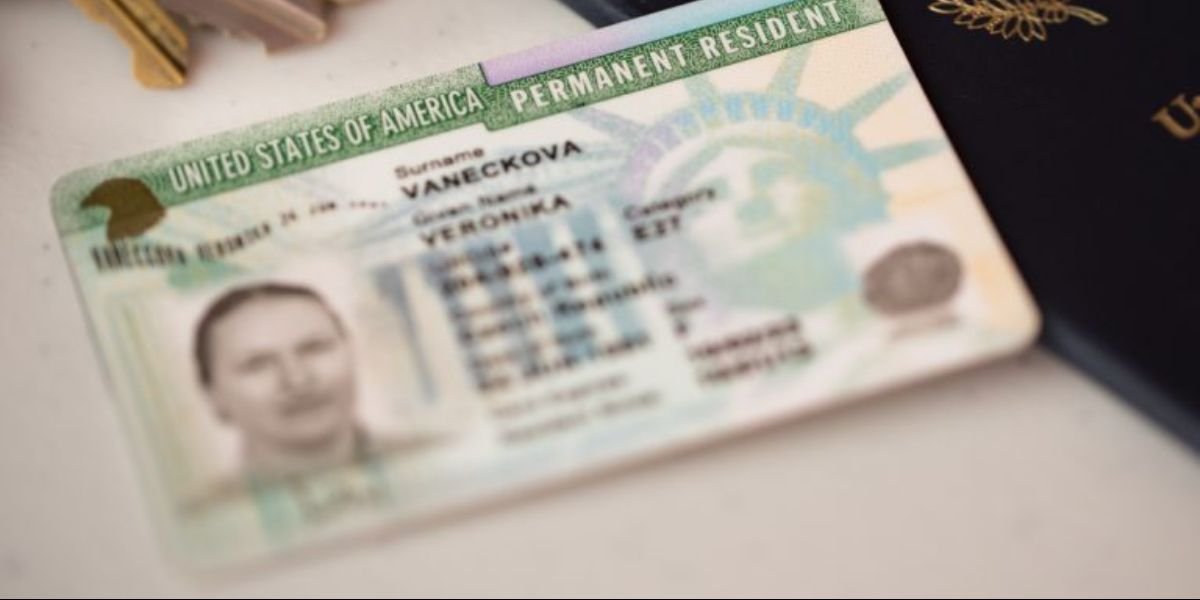
The EB-1A visa is being promoted as a viable alternative for skilled workers navigating uncertainty in the H-1B system, offering a direct path to permanent residency without employer sponsorship.
Immigration attorney Kevin J Andrews, writing in Global Talent Report, states that the EB-1A category allows individuals to apply independently while remaining in their current roles. This approach gives professionals greater control over their immigration plans, as it is not tied to a specific employer or subject to annual visa lotteries.
The EB-1A visa is a first-preference employment-based green card for individuals who can demonstrate “extraordinary ability” in fields such as science, business, education, arts, or athletics. Applicants must show sustained national or international recognition.
This can be achieved through a major one-time accomplishment or by meeting at least three of ten criteria set by the US Citizenship and Immigration Services. These include awards, publications, judging roles, and evidence of high earnings.
However, the application process is demanding. Andrews notes that the value of certain credentials has changed over time. For example, roles in peer review are now assessed more closely for their selectivity and reputation. Salary evidence must also be carefully compared with industry standards and geographic benchmarks to be considered persuasive.
Many professionals face difficulties due to a lack of focused planning. Andrews observes that engineers and other skilled workers often spend time on projects or publications that do not significantly strengthen their applications.
He emphasises the importance of aligning professional activities with the requirements of the EB-1A category. This includes pursuing recognised publications, participating in credible conferences, and making clear contributions to a field.
The EB-1A visa also offers practical benefits. Processing times are generally shorter than those for EB-2 or EB-3 categories, and backlogs are less severe for applicants from high-demand countries such as India. Successful applicants can also secure permanent residency for their immediate family members.
Andrews advises professionals to take a structured approach. Rather than relying on chance through the H-1B system, applicants can work towards building a strong and consistent case. This involves presenting clear evidence of achievement and demonstrating a level of expertise that meets the required standard.





Comments
No comments yet — be the first.