
Global Energy Prices Surge as Iran Conflict Impacts Supply Chains

Millions of households across the globe are bracing for a marked increase in energy bills as the impact of the ongoing conflict in Iran reverberates through international markets. The latest adjustment to the energy price cap, announced by the UK's energy regulator Ofgem, signals an annual rise of £221 for an average household. This development highlights the interconnectedness of geopolitical tensions and global economic stability, with broader implications for both developed and developing nations.
The Ofgem price cap, a mechanism designed to shield customers from volatile price hikes, now sits at £1,354 for a typical household using moderate amounts of energy. The adjustment reflects not only the escalating costs of raw materials but also the strain on the supply chain caused by the conflict in Iran, a pivotal oil-producing nation. Jonathan Brearley, the CEO of Ofgem, emphasized the broader implications, stating, "The situation in Iran has introduced significant uncertainty in global energy markets, and consumers worldwide are feeling the ripple effects in their utility bills."
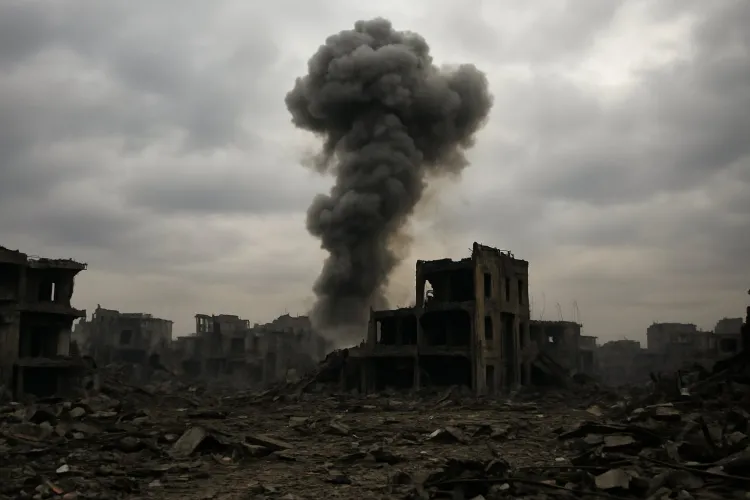
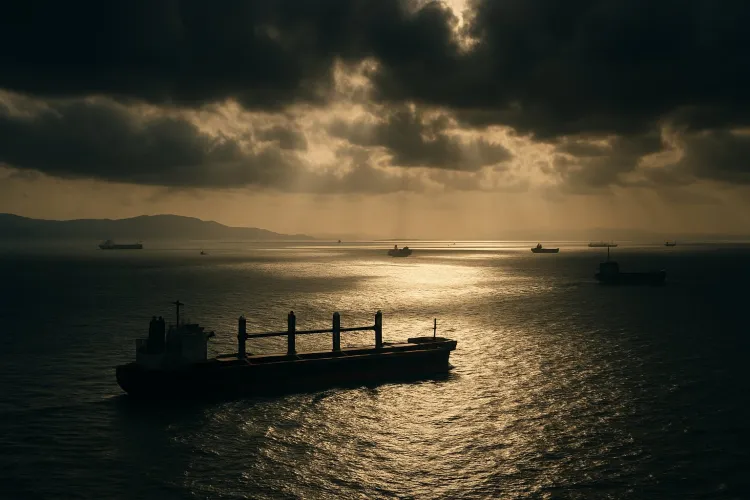
The conflict in Iran, which intensified earlier this year, has disrupted not only oil production but also impacted the distribution networks that are critical to maintaining steady energy supplies. In response, countries are scrambling to secure alternative sources and stabilize their energy reserves. The International Energy Agency (IEA) has reported that global oil prices have climbed to their highest levels since 2020, with Brent crude futures hovering around $95 per barrel as of May 2026.
U.S. Energy Secretary Jennifer Granholm called for international solidarity in navigating the crisis, underscoring the need for collaboration among oil-importing nations to manage the shortage and stabilize prices. "The disruptions in Iran have a far-reaching impact," Granholm noted. "It's imperative that we work together to mitigate these challenges and ensure energy security for households and businesses alike."
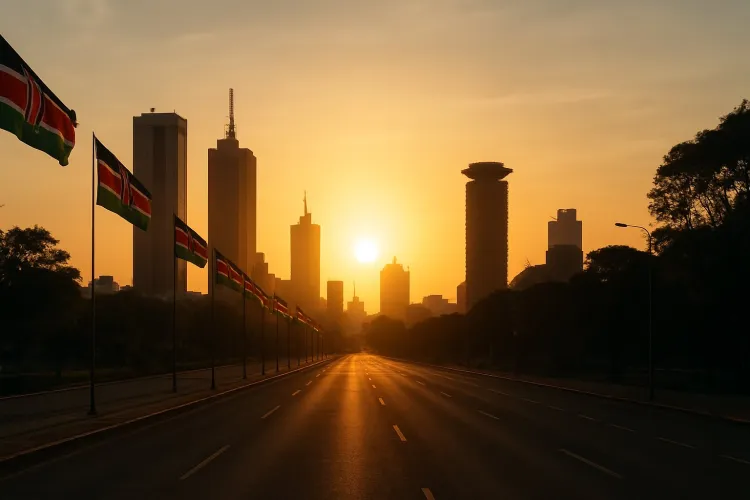
For developing nations, particularly those in Africa, the situation poses additional challenges. Many countries in these regions are heavily reliant on imported oil and are particularly vulnerable to price fluctuations. The African Development Bank has warned that the increased costs could exacerbate economic pressures, leading to higher inflation rates and potentially slowing growth in economies already struggling with post-pandemic recovery.
As the crisis unfolds, the spotlight is on renewable energy sources as a long-term strategy to reduce dependence on volatile fossil fuels. The European Union has reiterated its commitment to the European Green Deal, aiming to transition to renewable energy sources and enhance energy efficiency. European Commission President Ursula von der Leyen has reiterated, "In times of crisis, we are reminded of the urgency to accelerate our shift towards sustainable energy solutions."
Observers are closely monitoring the situation, with particular attention on potential diplomatic resolutions and their capacity to stabilize oil markets. The Organization of the Petroleum Exporting Countries (OPEC) is scheduled to meet next month to discuss potential strategic production increases. Meanwhile, energy consumers and businesses worldwide remain on high alert, bracing for further fluctuations in an already unpredictable market.



Comments
No comments yet — be the first.