
How Construction Loans Are Helping Kenyans Turn Homeownership Dreams Into Reality
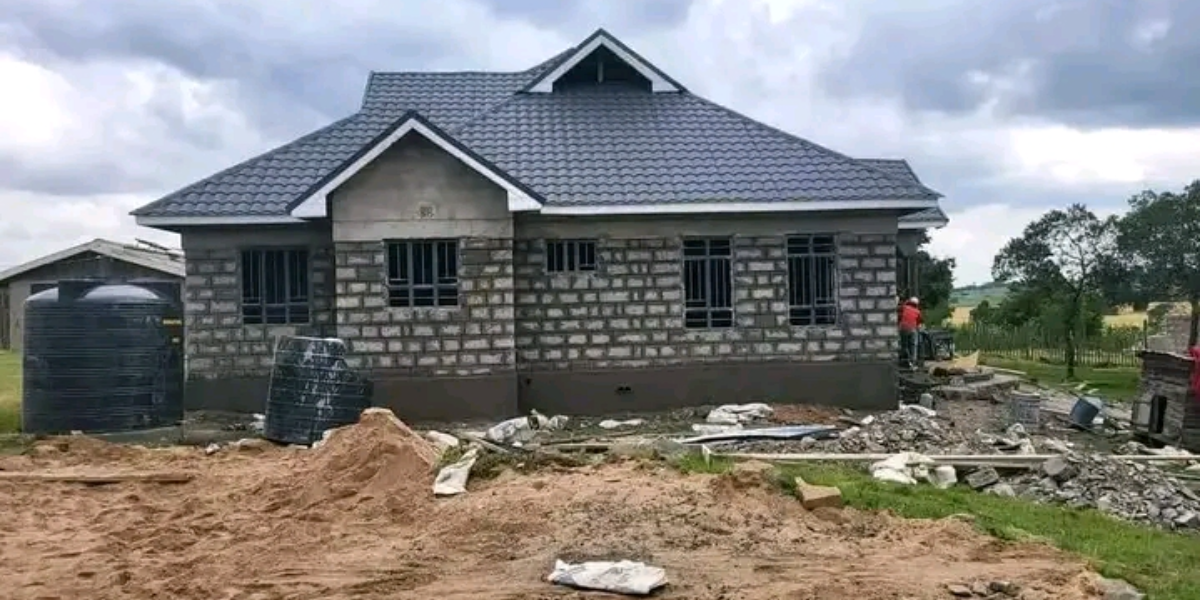
Construction loans offered by the Co-operative Bank of Kenya are helping more families and businesses build and renovate properties by allowing them to spread costs over longer repayment periods.
Owning a home remains a key goal for many Kenyans, but rising construction costs and limited access to affordable credit continue to make that objective difficult to achieve. In response, financial institutions have expanded construction financing options designed to reduce the need for large upfront payments.
Among the leading providers is the Co-operative Bank of Kenya, which offers structured loans for both residential and commercial developments. The financing allows borrowers to repay over periods of up to 20 years for single dwelling units and up to 10 years for residential commercial projects.
The extended repayment terms are particularly important as construction costs continue to increase, often faster than many households can save. By spreading repayments over a longer period, borrowers can manage costs more effectively while working towards home ownership.
Businessman Peter Mwangi said the financing enabled him to complete construction of his home in Ngong after years of delaying the project because he lacked sufficient savings. He secured a loan from Co-op Bank, built his four-bedroom bungalow in phases and moved in with his family in 2025.
“Instead of paying rent every month, I am paying towards an asset that belongs to us,” he said, describing the financial and personal benefits of owning a home.
Other borrowers, including teachers, professionals and small business owners, have also used the financing to complete housing projects. Grace Wanjiru, a mother of three, said the bank’s six-month moratorium allowed her family to finish construction before regular loan repayments began.
“Building a house comes with many expenses that people do not always anticipate,” she said. “The grace period gave us room to settle in comfortably.”
The loans are offered with competitive interest rates and flexible collateral requirements, often linked to the property being developed. In cases where a project generates rental income, the proceeds can be used directly to service the loan.
The financing is available to individuals, registered businesses and companies that meet the required documentation standards. Applicants must provide documents such as identification papers and bank statements, while larger facilities may require audited financial accounts. Projects must also obtain approvals from county authorities and environmental regulators.






Comments
No comments yet — be the first.