


Canada Names 14 Rural Communities Where Foreigners Can Settle Permanently

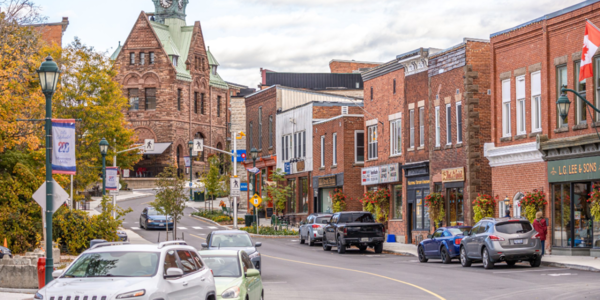
Foreign workers and international graduates seeking permanent residency through Canada’s newly permanent rural immigration pathway cannot apply independently and must first secure a job offer from an approved employer in one of 14 designated communities.
Immigration, Refugees and Citizenship Canada (IRCC) confirmed that the employer-driven Rural Community Immigration Programme (RCIP) will officially replace its pilot version on January 1, 2027, with 5,500 permanent residence spaces allocated for the first year.
Under the program's strict two-step vetting process, candidates must connect with an employer endorsed by a local economic development organization before obtaining a formal recommendation from the community itself. Only after securing both the job offer and community backing can an applicant submit a permanent residence application.
Ottawa has outlined steady growth for the initiative over its first three years, projecting admissions to rise from 5,500 in 2027 to 6,000 in 2028, and reach 6,500 in 2029.
The current pilot phase closes on December 31, 2026. IRCC noted that applications already submitted under the pilot will continue to be processed beyond the cutoff date.
Canada’s Minister of Immigration and Citizenship, Lena Metlege Diab, coordinates the rural program through her office as part of wider federal efforts to counter population decline and labor shortages outside major cities. The program's predecessor previously helped more than 12,500 principal applicants and their family members settle permanently in Canada.
Participating locations span 14 communities across six provinces, each tasked with identifying its own local labor shortages. Common priority sectors across the regions include healthcare, skilled trades, education and social services, sales and service, and technology.
Ontario holds the largest share of participating centers with five communities: North Bay, Sudbury, Timmins, Sault Ste. Marie, and Thunder Bay. Manitoba follows with three locations—Steinbach, Altona/Rhineland, and Brandon—while British Columbia is represented by West Kootenay, North Okanagan Shuswap, and Peace Liard.
Saskatchewan’s participating hub is Moose Jaw, Alberta is represented by Claresholm, and Nova Scotia’s Pictou County completes the list.


Comments
No comments yet — be the first.