


Opaque USCIS Procedural Shifts Upend Routine Family Petitions, Green Card Renewals and Naturalization Cases

Unexplained procedural changes inside U.S. Citizenship and Immigration Services are upending immigration cases that have traditionally moved through the system without incident, from pending family petitions to green card renewals and naturalization applications, according to a report by the legal news service Law360 published on November 15, 2026.
The disruptions reach the agency's headquarters in Washington, D.C., and ripple through the service centers and field offices across the United States where those routine filings are adjudicated. For Kenyan families separated by the Atlantic, the case types named in the report are the backbone of diaspora life: the Form I-130 Petition for Alien Relative that U.S. citizens and green card holders file for spouses, children and parents in Kenya; the Form I-90 Application to Replace Permanent Resident Card that keeps a 10-year green card valid; and the Form N-400 Application for Naturalization that opens the door to U.S. citizenship, a U.S. passport and voting rights.
Law360 characterized the procedural shifts as "opaque," meaning practitioners and applicants cannot trace them to any announced rule, revised form, fee notice or published update to the USCIS Policy Manual. The result, the report found, is that routine cases are being thrown off the standard track of receipt notices, biometrics appointments, Requests for Evidence, interviews and decisions — a pipeline that applicants have long been able to anticipate and plan around.
The stakes differ by case type, but none of them are small. Under the Immigration and Nationality Act, immediate relatives of U.S. citizens — spouses, parents and unmarried children under 21 — face no annual visa cap, while other family members fall into preference categories subject to numerical limits tracked monthly in the State Department's Visa Bulletin. Petitions for siblings of U.S. citizens routinely wait well over a decade for a visa number, so any new friction added inside USCIS compounds an already long timeline for Kenyan families.
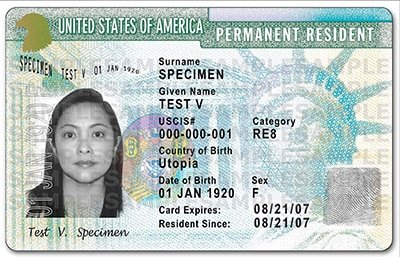
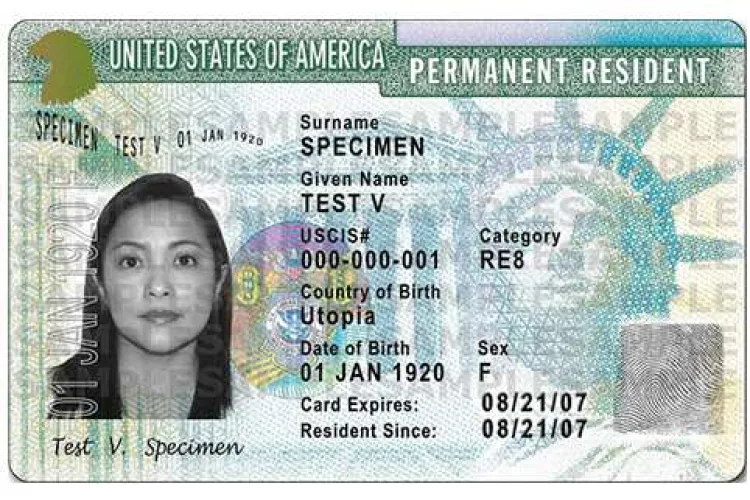
Green card renewal carries its own urgencies. A permanent resident card is valid for 10 years, and federal law requires green card holders age 18 and older to carry the card at all times. An expired card complicates the Form I-9 employment verification process with employers, and it can create problems re-entering the United States after travel to Kenya. USCIS advises holders to file Form I-90 within six months of the card's expiration date, a timeline that assumes normal processing.
Naturalization applicants face the longest runway of all. Most lawful permanent residents must wait five years before filing the N-400, cut to three years for those married to and living with a U.S. citizen, and must then pass an English and civics test at interview before taking the oath. Under the USCIS fee schedule that took effect on April 1, 2024, the N-400 carries a $725 filing fee on paper and $640 online, the I-130 costs $675 and the I-90 costs $465 — meaning families are paying sharply higher fees for cases that now sit inside a less predictable system.
USCIS is the benefits-processing arm of the Department of Homeland Security, the department led by Secretary Kristi Noem, and the report lands as the second Trump administration presses restrictive immigration measures across DHS agencies. Unlike enforcement actions by Immigration and Customs Enforcement, the shifts described by Law360 concern adjudication of lawful, affirmative applications — petitions and benefits that applicants have already paid for and filed in good order.
Applicants with cases now drifting off the standard track have a limited but real set of tools. They can monitor status through a USCIS online account, compare their timelines against the agency's published Processing Times webpage and the myProgress tool, and escalate through the USCIS Contact Center at 800-375-5283. Two additional channels exist for stalled cases: the Citizenship and Immigration Services Ombudsman, an independent DHS office that provides free case assistance and reports systemic problems to Congress, and congressional casework staff in the office of an applicant's U.S. representative or senator, who can submit status inquiries directly to the agency.
Because the shifts described in the report carry no public explanation, documentation discipline has taken on new weight. Practitioners routinely advise applicants to keep copies of every filing, receipt notice and biometrics appointment, to update their mailing address with USCIS through the official online change-of-address process, and to respond to any Request for Evidence before its stated deadline, since a missed deadline converts an upended case into a denied one.
For Kenyan households with a relative's I-130 pending, a parent's I-90 in process or a naturalization filing in the queue, the Law360 findings amount to a warning that the ordinary rhythm of these cases can no longer be taken for granted, and that the usual markers of progress — receipt notices, biometrics letters, interview scheduling — may now arrive on schedules the agency has not publicly accounted for.




Comments
No comments yet — be the first.