


Aid Agencies Struggle to Deliver Food, Medical Care and Shelter to More Than 50,000 Ethiopian Refugees in Kenya

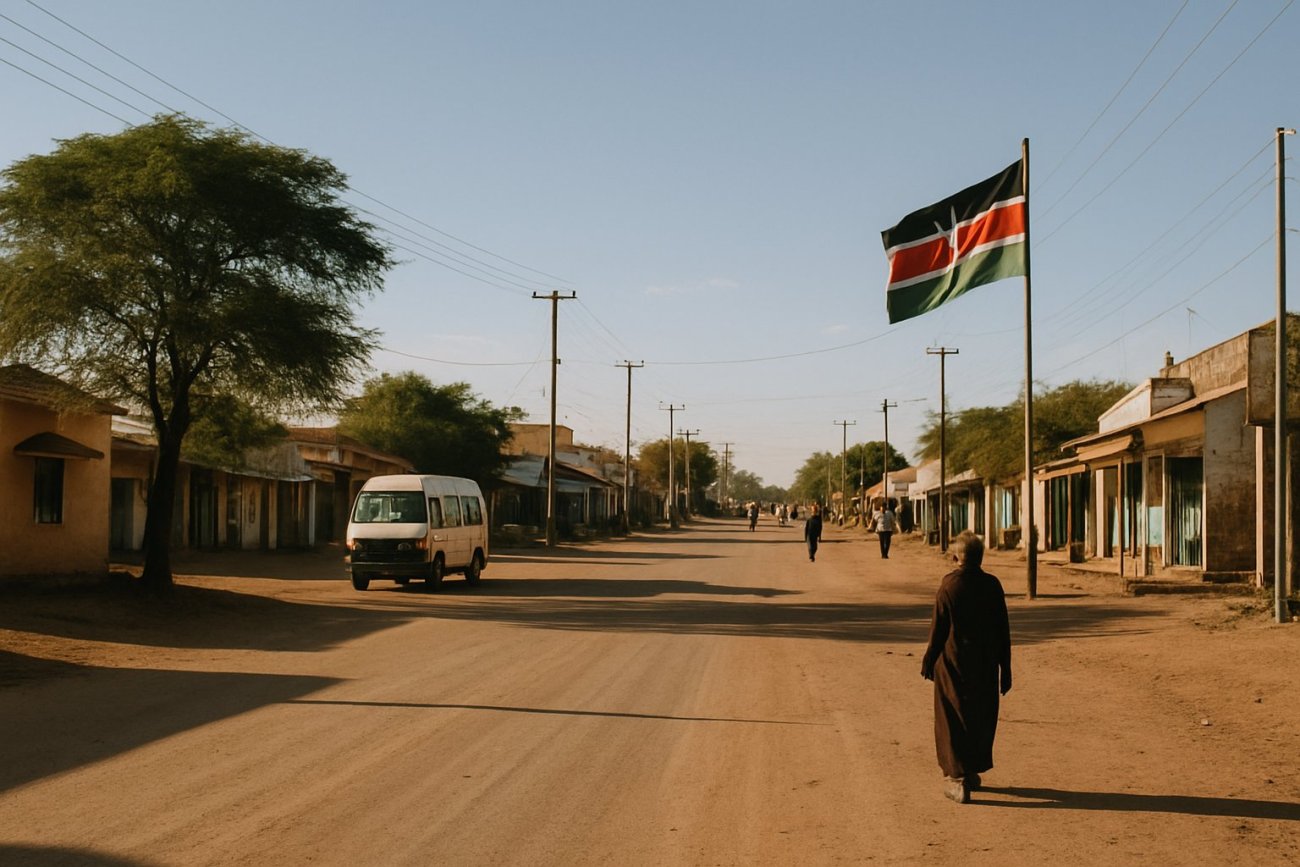
Aid agencies are struggling to provide food, medical care and shelter to more than 50,000 Ethiopian refugees in Kenya, according to a report published on November 15, 2026, a caseload that is stretching relief operations already under strain across the Horn of Africa.
The Ethiopians add to the much larger displaced populations Kenya already hosts, most of them from Somalia and South Sudan. Kenya, a party to the 1951 Refugee Convention, its 1967 Protocol and the 1969 OAU Refugee Convention, has for decades been one of Africa's principal refugee-hosting nations, with the bulk of that population historically based at camps in Dadaab in Garissa County and Kakuma in Turkana County, both established in the early 1990s, and smaller numbers living in Nairobi and other towns.
Ethiopia, Africa's second most populous country, has been through successive displacement crises in recent years. The two-year war in Tigray, ended by the Pretoria agreement signed in November 2022, was followed by persistent insecurity in other regions, while the Horn of Africa endured its worst drought in four decades before catastrophic flooding struck the same communities. Millions of Ethiopians remain displaced inside their own country, and the war in Sudan that began in April 2023 has pushed hundreds of thousands of additional refugees into a region already crowded with the displaced, even as Ethiopia itself hosts one of the largest refugee populations on the continent.
Within Kenya, refugee protection is governed by the Refugees Act of 2021, which replaced a 2006 law and widened refugees' access to work, movement and services, and by the Shirika Plan, the government's framework for converting camps into integrated settlements and folding refugees into national systems. Both frameworks rest on financing, and the struggle to deliver even food, medicine and shelter to the more than 50,000 Ethiopian refugees underlines the distance between policy and provision.
The pressure extends beyond Kenya. Humanitarian appeals for the Horn of Africa have faced persistent funding shortfalls in recent years, and the United Nations refugee agency and the World Food Programme have at various points cut rations for refugees in the region as contributions fell short of needs. The United Nations refugee agency estimates that the majority of the world's more than 120 million forcibly displaced people are hosted by low- and middle-income countries, and financing instruments such as the World Bank's dedicated window for refugee-hosting nations have only partially closed the gap.
For the Ethiopian refugees in Kenya, the immediate shortfall spans the three most basic humanitarian services: food distributions, functioning medical care and adequate shelter. Kenya's own budget constraints mean the Refugees Act of 2021 and the Shirika Plan both assume international cost-sharing, with donors expected to fund infrastructure and expanded services as camps are converted into settlements.
What to watch in the coming months is threefold: whether donors close the funding gap for food, medical care and shelter; whether conditions inside Ethiopia continue to push people across the border into Kenya; and how quickly the Shirika Plan moves refugees out of aid dependence and into national services, a transition that for the more than 50,000 Ethiopians now depends on relief agencies first stabilising the basics.




Comments
No comments yet — be the first.