


Employment-Based Green Card Backlog Falls by 41,000 in One Month, USCIS Data Shows

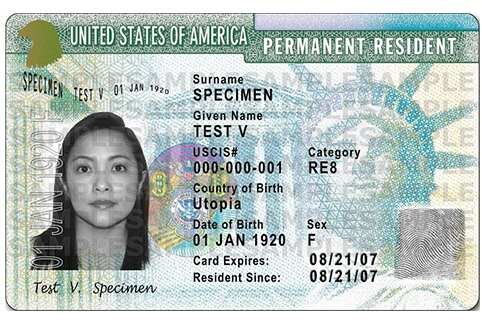
The employment-based green card backlog in the United States fell by about 41,000 cases in a single month, according to U.S. Citizenship and Immigration Services (USCIS) data reported by the International Legal and Business Services Group, a quantified shift that bears directly on Kenyan professionals waiting in the EB-2 and EB-3 preference queues.
The reduction, reported in November 2026, measures movement in the pending inventory of employment-based green card cases handled by USCIS, the agency within the Department of Homeland Security that adjudicates applications for lawful permanent residence. Monthly backlog figures are among the most closely watched indicators for immigrants and their employers because they show how quickly the queue between an approved petition and an actual green card is being cleared.
Employment-based green cards are allocated under the Immigration and Nationality Act through a set of preference categories. The EB-2 category covers professionals holding advanced degrees or foreign nationals of exceptional ability, while EB-3 covers skilled workers, professionals, and certain other workers. The system also includes EB-1 for priority workers, EB-4 for certain special immigrants, and EB-5 for investors who place capital at risk in job-creating U.S. enterprises. Most petitions in the EB-2 and EB-3 categories rest on a PERM labor certification from the U.S. Department of Labor, which requires an employer to test the American labor market before sponsoring a foreign worker.
The law caps employment-based green cards at 140,000 per year worldwide and, under the per-country ceiling, bars any single country from receiving more than 7 percent of the total in most categories. Demand from India and China exceeds those limits by a wide margin, producing multi-year backlogs in those lines and shaping how quickly visa numbers move for applicants from every other country, Kenya included.
The U.S. Department of State, from Washington, D.C., publishes the monthly Visa Bulletin, which sets final action dates and dates for filing based on an applicant's priority date and country of chargeability. A priority date in the employment-based system is generally established when the labor certification is filed with the Department of Labor. When pending caseloads fall and visa numbers become available, those bulletin dates can advance, allowing applicants to file Form I-485, Application to Register Permanent Residence or Adjust Status, or to have existing applications finally adjudicated. Applicants outside the United States, including many in Kenya, instead complete the process through consular processing of an immigrant visa at the U.S. Embassy in Nairobi.
Kenyan applicants are chargeable to the All Chargeability Areas Except Those Listed line of the Visa Bulletin, which has historically moved faster than the heavily oversubscribed India and China lines. Even so, no case can be approved until a visa number is available and the pending caseload ahead of it has been worked through, which is why a one-month drop of roughly 41,000 cases matters to applicants from countries with shorter queues as well as longer ones.
Many Kenyans in the employment-based queue are working in the United States on H-1B specialty occupation status while their employers sponsor them for permanent residence. Their cases typically move through Form I-140, Immigrant Petition for Alien Workers, and then adjustment of status under Form I-485. Under the American Competitiveness in the Twenty-First Century Act, H-1B holders whose green card processes remain pending can obtain extensions beyond the standard six-year admission period, which makes monthly backlog movement a factor in long-term career and residency planning for sponsored workers.
The reported decline arrives weeks after October 1, 2026, the start of the 2027 federal fiscal year, when a fresh annual allocation of employment-based visa numbers becomes available under the statutory cap. The fiscal year turnover is a period when new visa numbers are applied to pending cases, and inventory figures in the weeks that follow are watched closely for signs of how the rest of the year will progress.
For applicants already in line, a smaller pending inventory shortens the distance between a current priority date and final approval, and for employers it affects how long sponsorship timelines run for foreign professionals they intend to retain. Immigration practitioners track the monthly USCIS figures alongside the agency's published processing times to advise clients on when to file and what wait to expect.
Kenyan applicants and sponsoring employers can follow subsequent movement through the State Department's Visa Bulletin, published monthly, and through USCIS processing time tables, which list case durations by form type and service center. The next round of figures will indicate whether the roughly 41,000-case reduction marked the beginning of a sustained decline or a single month's fluctuation in a queue that Kenyan professionals have been tracking one bulletin at a time.





Comments
No comments yet — be the first.