


USCIS Warns Once-a-Year US Visits Are Not Enough to Keep a Green Card for Holders Living Abroad

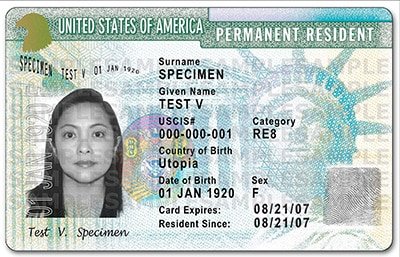
U.S. Citizenship and Immigration Services has warned lawful permanent residents that returning to the United States once a year is "not enough to keep a green card if you live in another country," a message that carries direct consequences for the thousands of Kenyan holders who divide their lives between Nairobi and American cities. The warning, reported by the outlet El Cronista, comes from the agency that administers U.S. immigration benefits from its headquarters in Camp Springs, Maryland.
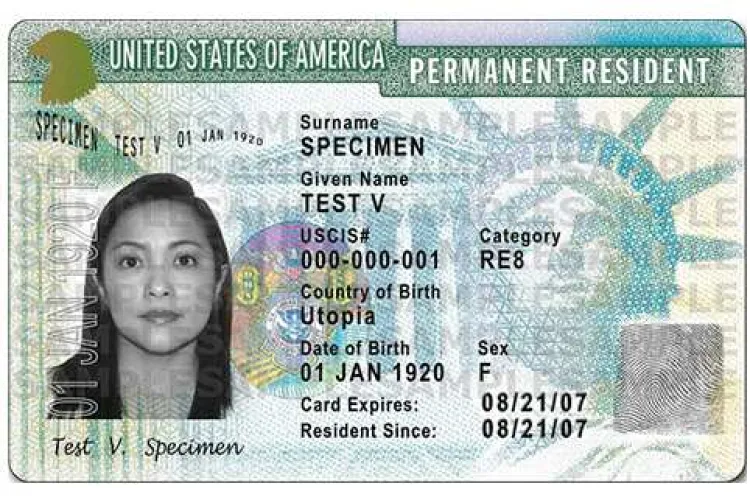
At the heart of the warning is the legal meaning of permanent residence. A green card, officially the Permanent Resident Card, Form I-551, is issued under the Immigration and Nationality Act to foreigners whose permanent home is the United States. Officers do not measure status by how often a cardholder visits; they examine where the person actually lives, works, pays taxes and keeps family and property ties. A resident who spends most of the year in Kenya and lands at a U.S. airport for a short annual stay fits the profile that inspectors are trained to question.
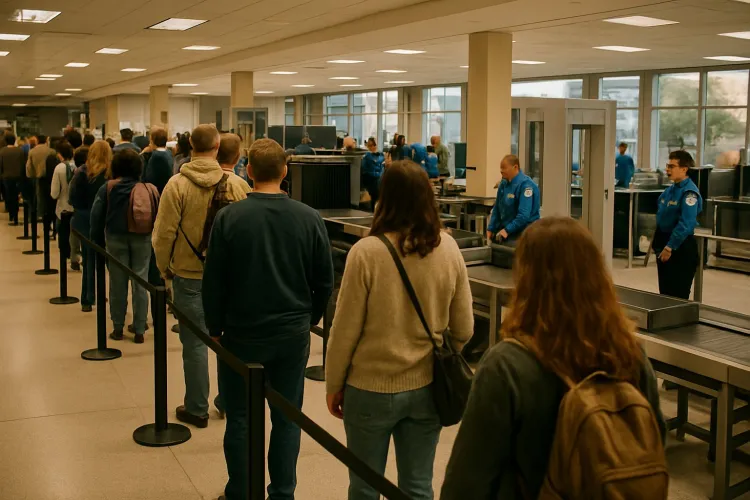
U.S. practice sets out clear thresholds. Absences of less than six months rarely draw scrutiny. Trips lasting between six months and a year invite questioning at the port of entry, where U.S. Customs and Border Protection officers can send a returning resident to secondary inspection and demand evidence that the person still lives in the United States. Once an absence passes one year, the green card can generally no longer be used to enter the country at all, and the government presumes the holder has abandoned permanent residence.
Residents who stay abroad longer than a year must apply for an SB-1 returning resident visa at a U.S. embassy or consulate, including the U.S. Embassy in Nairobi, and must show that the absence was temporary and was caused by circumstances beyond their control. At the border itself, a Customs and Border Protection officer who believes a resident has abandoned status can place the person in removal proceedings; the final decision in a contested case rests with an immigration judge in the court system run by the Executive Office for Immigration Review. Officers sometimes ask travelers to sign Form I-407, the Record of Abandonment of Lawful Permanent Resident Status, but signing is voluntary, and a holder who refuses is entitled to have an immigration judge decide the question.
For Kenyans planning extended time in Kenya, the lawful tool is the reentry permit, filed on Form I-131 with U.S. Citizenship and Immigration Services at a cost of a $630 filing fee plus an $85 biometric services fee. The application must be filed while the resident is physically present in the United States, and fingerprints must generally be taken before departure. A reentry permit is valid for two years from the date it is issued and allows a resident to re-enter without a visa, but processing routinely runs for months, and the document is not a safe harbor in itself. It does not erase evidence that a person's job, spouse or children have moved to Nairobi, and it does not stop the clock on the government's assessment of where the holder truly resides.
The stakes extend to citizenship. Under Section 316 of the Immigration and Nationality Act, a permanent resident needs five years of continuous residence before applying for naturalization, or three years if married to a U.S. citizen, along with at least 30 months, or 18 months for the shorter rule, of physical presence in the country. A single absence of more than six months breaks continuous residence unless the applicant can rebut the presumption that they moved their life abroad. A Kenyan holder who waits out each year in Nairobi may therefore keep the card, when all goes well, yet never accumulate the residence needed to naturalize.
U.S. Citizenship and Immigration Services points residents to the practical markers of a life anchored in the United States: filing federal income tax returns as a resident on IRS Form 1040, holding a home or lease, a driver's license, bank accounts, employment and immediate family in the country. Filing a tax return as a nonresident is treated as an admission that U.S. residence has been abandoned. Permanent residents are also required to report any change of address on Form AR-11 within 10 days of moving, a requirement that presumes the holder actually has a U.S. address.
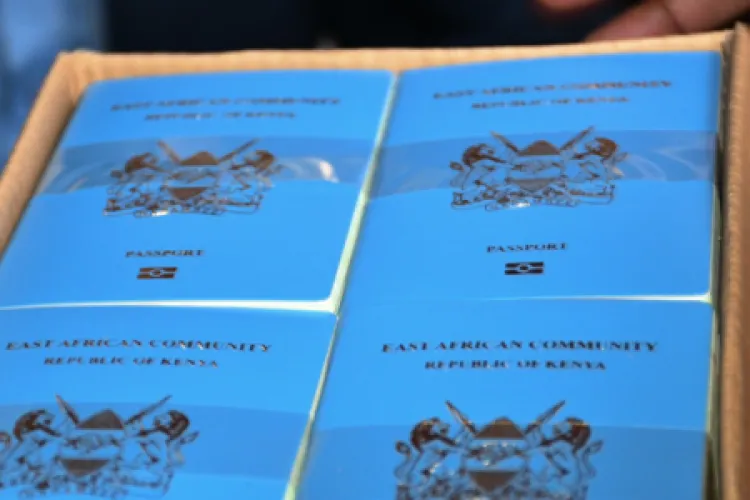
For Kenyans, the calculus is sharpened by Kenya's own laws. The 2010 Constitution permits dual citizenship for Kenyans by birth, so a green card holder who eventually naturalizes in the United States does not lose Kenyan citizenship. A holder who instead lets the green card lapse must start over, re-entering the family- and employment-based visa backlogs that can stretch for years. The warning also lands amid intensified immigration enforcement during President Donald Trump's second term, which has brought wider vetting of returning residents at ports of entry.
U.S. Citizenship and Immigration Services posts current Form I-131 processing times on its official website, and advises residents to plan any filing around travel, because the application must be lodged while the cardholder is on U.S. soil.



Comments
No comments yet — be the first.