


Won the US H-1B Visa Lottery? Why Your Work Visa Can Still Be Rejected

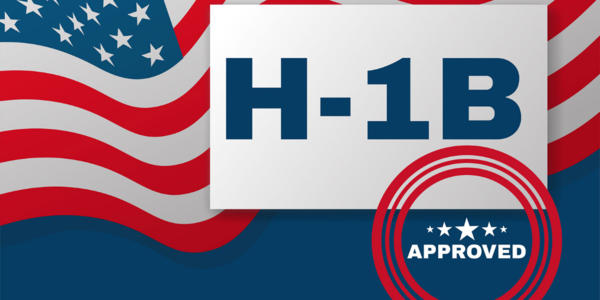
Being picked in the United States H-1B visa lottery only grants an employer permission to file a formal work permit application, not the visa itself.
Many foreign professionals, including Indian workers who account for a large share of H-1B interest, often mistake lottery selection for final approval. Under rules set by US Citizenship and Immigration Services (USCIS), registration, selection, and petition filing are three distinct stages, and an application can still be denied after selection.
Demand for the H-1B program, which allows American companies to hire skilled foreign workers in specialty occupations, has eased slightly after a recent spike. Even so, search data indicates sustained interest among skilled professionals abroad looking for jobs in the United States.
Get the day’s top stories by email
The Mwakilishi Daily News Digest: Kenya and diaspora news, once a day. Free, and you can unsubscribe anytime.
Foreign workers cannot apply for the H-1B cap on their own. A prospective U.S. employer or its authorized representative must first create an online USCIS account and submit an electronic registration for each candidate.
The U.S. government caps new H-1B visas at 85,000 per fiscal year. Of these, 65,000 are reserved for jobs requiring specialized knowledge and at least a bachelor's degree or its equivalent. Another 20,000 slots are set aside for foreign workers who hold a master's degree or higher from a US institution.
Also read Australia Bans Kenyans From Switching Tourist Visas to Work or Study Permits After Arrival
When USCIS receives more registrations than available slots, it runs a random selection process. Workers with advanced US degrees are eligible for the extra 20,000 places. If a worker's registration is not picked, the employer generally cannot file a cap-subject petition for that candidate during that cycle.
When a registration succeeds, USCIS sends a selection notice to the employer's online account. That notice merely opens a window for the company to submit Form I-129, the Petition for a Nonimmigrant Worker, along with supporting evidence before a strict deadline.
USCIS officers then review the paperwork to confirm that both the company and the worker meet legal standards before deciding whether to approve or reject the visa.
Not every applicant has to compete in the annual lottery. Universities, nonprofits affiliated with higher education institutions, nonprofit research groups, and government research organizations are exempt from the cap. Workers who have already been counted against the cap in previous years may also bypass the annual limit.
For everyone else, clearing the lottery is only an early checkpoint in a longer vetting process.
Read next

Hungary Embassy Warns Kenyans of Fake Agents Offering Latvia Work Visas
US Embassy to Suspend Visa and Consular Services in Nairobi on November 26
Green Card Pending and No Valid Visa? Chugh, LLP Warns on Advance Parole Travel Risks

Comments
No comments yet — be the first.