


USCIS Shortens U.S. Citizenship Routes for Spouses, Military Members and Children of Americans

In the United States, U.S. Citizenship and Immigration Services has shortened the routes to citizenship for three groups — spouses of U.S. citizens, members of the U.S. military, and children of American parents — in a policy change reported on November 25, 2026, by Peoples Gazette, a Nigerian outlet that tracks U.S. immigration announcements. USCIS, an agency of the Department of Homeland Security under Secretary Kristi Noem, adjudicates every naturalization application from its headquarters in Camp Springs, Maryland, and administers the shortened pathways used most heavily by Kenyan diaspora families.
The baseline route remains the longest. Under Section 316(a) of the Immigration and Nationality Act, most applicants need five years as lawful permanent residents, at least 30 months of physical presence in the United States during those five years, and at least three months of residence in the state or USCIS district where they file Form N-400, the Application for Naturalization. The shortened routes open to the three designated groups replace that clock with faster ones fixed in the Act itself.
Spouses of American citizens move on a three-year clock under Section 319(a): three years of permanent residence instead of five, with only 18 months of physical presence required. The applicant must have been married to and living in marital union with a U.S. citizen for the full three years, and the citizen spouse must have held citizenship throughout that period. USCIS allows these applicants to file Form N-400 up to 90 days before they meet the residence requirement, a window set out in 8 CFR 334.2. A related provision, Section 319(b), serves spouses of U.S. citizens stationed abroad by the U.S. government, by American firms engaged in foreign trade, or by qualifying international and religious organizations: those applicants may naturalize without any prior period of residence in the United States, with USCIS conducting interviews at U.S. embassies and consulates overseas.
Service members use Sections 328 and 329. Section 328, for peacetime service, requires one year of honorable service in the U.S. armed forces, a threshold cut from three years by the National Defense Authorization Act for Fiscal Year 2004, signed on November 24, 2003. Section 329, covering service during designated periods of hostilities, removes the lawful permanent residence and physical presence requirements entirely, so a Kenyan who enlists during a qualifying period can naturalize without first holding a green card. Executive Order 13269, signed on July 3, 2002, designated the period of hostilities that began on September 11, 2001, and active-duty service in that period qualifies under Section 329. USCIS charges no filing fee for applications filed under either military provision.
Children of Americans receive the shortest route of all under the Child Citizenship Act of 2000, which was signed on October 30, 2000 and took effect on February 27, 2001. Section 320 of the INA makes citizenship automatic for a foreign-born child who is under 18, has been admitted as a lawful permanent resident, and lives in the United States in the legal and physical custody of a U.S. citizen parent, with no naturalization application, no test and no oath. Families document the resulting status with a Certificate of Citizenship on Form N-600. For children who remain abroad, Section 322 and Form N-600K provide expeditious naturalization through a U.S. citizen parent who has accumulated five years of physical presence in the United States, at least two of them after the age of 14, and the child must complete the process before turning 18. The provisions cover biological and adopted children who meet the Act's requirements, and they matter directly to Kenyan-American couples whose children did not acquire citizenship at birth because the American parent fell short of the transmission requirements of Section 301.
Applicants on the spousal and military routes still sit the naturalization test. The civics portion draws 10 questions from a published list of 100, with six correct answers needed to pass, and the English portion requires the applicant to read one sentence aloud and write one sentence. Successful applicants take the Oath of Allegiance and receive the Certificate of Naturalization, the document required to obtain a first U.S. passport.
Kenya's own law makes the shortened American routes more consequential for its diaspora. Article 16 of the 2010 Constitution permits dual citizenship, and a child born to a Kenyan citizen parent is a Kenyan citizen by birth under Article 14 whether born in Kenya or abroad. A Kenyan who naturalizes in the United States therefore does not automatically lose Kenyan citizenship, but the Kenya Citizenship and Immigration Act of 2011 imposes a separate step: under Section 8, a citizen by birth who acquires another nationality must disclose that fact in writing within three months, and failure to disclose is an offense under the Act.
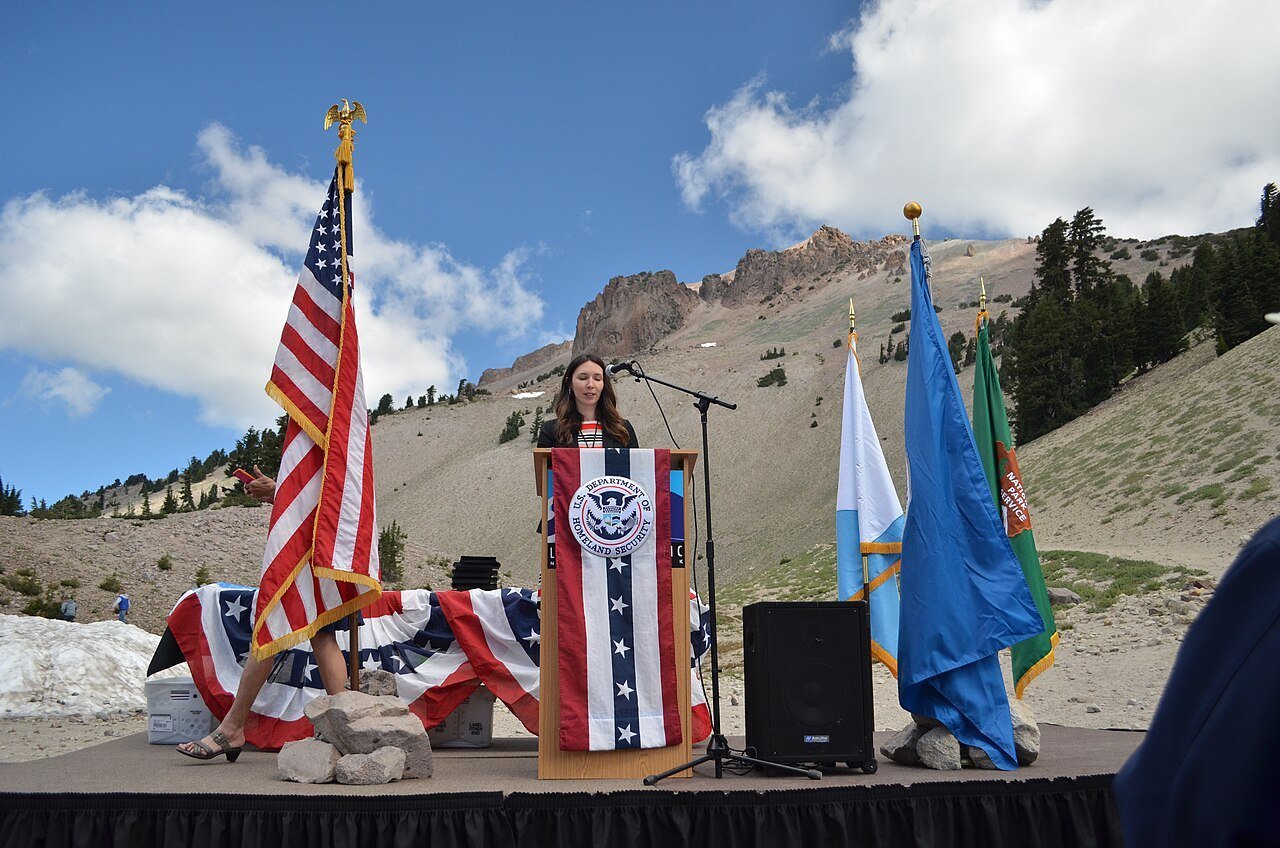
Photo: LassenNPS / Wikimedia Commons, Public domain



Comments
No comments yet — be the first.