


New US Bill Seeks to Cancel Deportation Orders for Immigrants With Clean Records


House Democrats are introducing a bill on Thursday aimed at expiring decades-old deportation orders for immigrants without criminal records, setting up an early legislative test ahead of their January takeover of Congress.
The Protect Our Neighbors Act, led by California Democratic Rep. Lateefah Simon, proposes canceling final removal orders after 10 years if the individual has lived continuously in the United States and has no criminal convictions. Under current US law, removal orders never expire and remain enforceable indefinitely.
Although Democrats are introducing the measure during the current lame-duck session, making passage before year-end unlikely, their recent midterm election victories will give them control of both chambers of Congress in January. That shift will allow the party to set the legislative agenda and bring the bill to the floor next year.
The political timing also coincides with President Donald Trump recently signaling a willingness to negotiate on immigration. In an interview with CBS News’ “60 Minutes,” Trump said he would “love to do something on immigration” with Democrats, though it remains unclear whether he would back this specific proposal.
Co-sponsored by California Democratic Reps. John Garamendi, Zoe Lofgren, and Juan Vargas, the bill targets a massive enforcement backlog. Former acting Immigration and Customs Enforcement (ICE) Director Todd Lyons told lawmakers in February that roughly 1.6 million people in the US currently live under final orders of deportation.
A final removal order is issued by an immigration judge or federal authorities after a person exhausts their appeals or misses the deadline to challenge a deportation ruling. While stays of removal, deferred action, or ongoing litigation can delay deportation, the underlying order remains active.
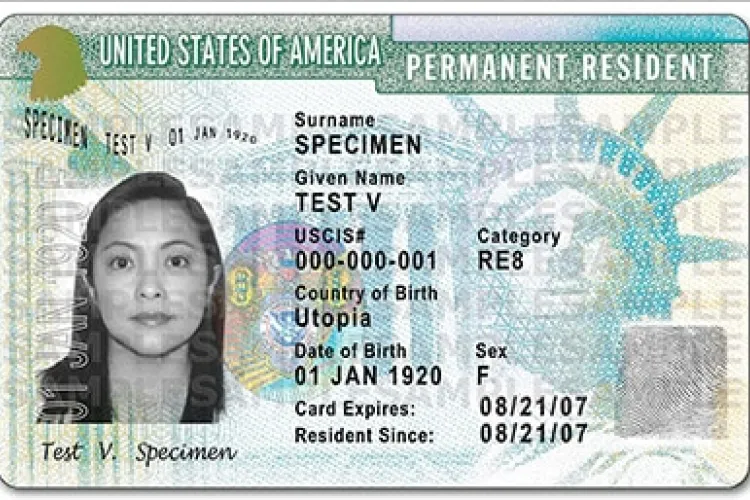
Under the proposed legislation, individuals whose 10-year-old orders expire would become eligible to apply for lawful permanent residency, commonly known as a green card. However, green cards would not be granted automatically, and applicants would still have to meet specific legal conditions.
The bill also includes a safeguard allowing immigration judges to renew an expired removal order. To do so, the government would need to present clear and convincing evidence that a major reason, unrelated to administrative backlogs or funding shortages, delayed the deportation, and that renewing the order serves the public interest based on new evidence.
The legislation was partly prompted by the deportation of Harjit Kaur, a 73-year-old Indian grandmother who lived in the San Francisco Bay Area for nearly 30 years. An immigration judge ordered Kaur removed in 2005, though she remained in the country legally authorized to work while attending regular ICE check-ins.
ICE detained Kaur in September 2025 during a routine check-in and deported her to India. Kaur had worked as a seamstress in Simon’s congressional district, and Garamendi later protested her removal by leaving his guest seat empty at Trump’s State of the Union address in February.
“President Trump promised to go after the ‘worst of the worst’ in his immigration policy. Yet his administration has repeatedly decided to cruelly deport residents who have been working, paying taxes, and raising families in their communities for decades,” Garamendi told ABC News.
Simon told ABC News she had discussed the bill with Democratic leadership and was optimistic about drawing bipartisan support.
“If you have deportation orders that have been in place for over 10 years, and you continue to do everything right, those deportation orders need to be again turned off, and you need to be able to be in line with other folks to get your green card to continue being a hardworking resident of these communities and hopefully a citizen,” Simon said.
Kaur’s family told ABC News they continue to feel the pain of her removal while knowing thousands of other families face similar risks. “We thank the members of Congress for their continued advocacy, and we hope that some good could come from Harjit’s story with this bill and others like it,” the family said.
The push comes amid a broader immigration crackdown during Trump’s second term. Alongside increased ICE efforts to deport individuals with final removal orders, including sending some to third countries, the administration has revoked over 6,000 visas over birth tourism concerns, and major corporations like IBM have ended US visa and green card sponsorships.
Because the Protect Our Neighbors Act is currently only a proposal, it offers no immediate legal protection. Immigrants living under final removal orders must still comply with all existing ICE check-in requirements and legal obligations until Congress passes the measure and it is signed into law.



Comments
No comments yet — be the first.