


Kenyan Migrant Workers Stranded as Saudi Arabia Refuses to Lift Ebola Travel Ban

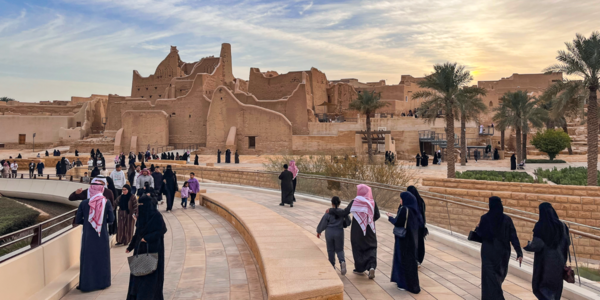
More than 300 Kenyan workers seeking jobs in Saudi Arabia were turned away at entry points in early November as Riyadh kept its Ebola-related travel and visa suspension in place.
The rejections show the immediate toll of the restrictions on Kenyans who rely on the Gulf kingdom for work. Saudi Arabia is a major destination for Kenyan domestic workers, healthcare professionals, drivers, and construction laborers.
Remittances from Saudi Arabia were already under strain in 2026 before the ban took effect. Saudi authorities imposed the restrictions on October 30, 2026, barring Saudi citizens from traveling to Kenya. The order also blocks entry to anyone who has been in Kenya or any other Ebola-affected country within 21 days before arriving in the kingdom, even if they transit through a third country.
Riyadh tied the ban to its own national health assessments after Kenya confirmed an imported Ebola case on October 6, 2026. That case involved a traveler who entered Kenya from the Democratic Republic of the Congo (DRC) through Uganda.
Nairobi has pushed back against the continued suspension, arguing that the outbreak is over. Kenya recorded its last confirmed Ebola case on October 19 and discharged the final patient on November 11, 2026.
Health Cabinet Secretary Aden Duale described the Saudi measures as "excessive" and "not backed by the current epidemiological situation."
The Foreign Ministry called the ban a "blanket, punitive measure" unsupported by evidence. Kenyan officials are holding diplomatic talks with Riyadh, though Saudi authorities have not announced any policy change.
Kenya's hopes for lifting the ban rest largely on a 42-day countdown to an official Ebola-free declaration. The countdown began on November 12 and will end on December 23, 2026, if no new cases emerge.
A formal declaration would give Nairobi a stronger basis to press Riyadh for a review. However, Saudi Arabia has not indicated that the declaration will automatically end the restrictions.
While Saudi Arabia holds firm, the United Arab Emirates has taken a different approach toward East African travelers. The UAE has not placed a blanket ban on Kenyan nationals and recently extended its visa-on-arrival program to eligible Kenyans, keeping that travel corridor open.
On November 11, 2026, the UAE also eased its own Ebola restrictions on Uganda. The UAE's National Emergency, Crisis and Disasters Management Authority, working with health and identity agencies, lifted a travel suspension it had imposed in June 2026 on Uganda, the DRC, and South Sudan.
Ugandan nationals can now apply for UAE visas and enter the country if at least 21 days have passed since they left Uganda. Students, embassy staff, and diplomatic passport holders do not have to observe the waiting period.
Uganda's Foreign Affairs Minister, Ambassador Adonia Ayebare, publicly thanked the UAE government for reconsidering the rules. UAE restrictions on travelers from the DRC and South Sudan remain in place.





Comments
No comments yet — be the first.