


Kenya Tightens Anti-Money Laundering Laws in Bid to Exit FATF Grey List

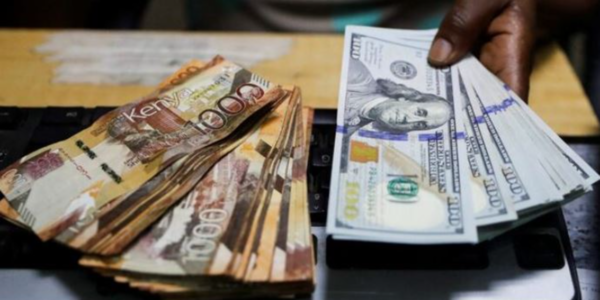
Kenya has launched a seven-pillar national strategy to dismantle financial networks behind money laundering and illicit trade as the country intensifies efforts to exit the Financial Action Task Force (FATF) grey list.
The Ministry of Trade unveiled the framework on Wednesday, November 18, following findings that illegal business activities cost the economy an estimated Ksh826 billion annually. According to the National Assessment of Illicit Trade in Kenya Report, these operations represent about 9.3 percent of the country's Gross Domestic Product (GDP).
The government plans to disrupt illicit financing through tough legal action, arrests of perpetrators, and stronger intelligence sharing across state agencies. Authorities will also introduce sector-specific laws and deploy modern technology to improve supply-chain traceability and flag suspicious business operations.
Beyond financial crimes, the report identified counterfeit products and substandard goods as major threats to legitimate businesses and tax collection.
"The assessment identifies illicit trade as a significant threat to Kenya's economic transformation and industrialization ambitions, undermining fair competition and government revenue," the Trade Ministry said in a statement.
The assessment also flagged the diversion of controlled medicines, the reuse of packaging materials, and trafficking in wildlife trophies and natural resources. Human trafficking and labor exploitation were listed among the illicit activities draining the economy.
Officials warned that these practices endanger human life, national security, and environmental sustainability.
To close regulatory and institutional gaps, the government intends to deepen cooperation with private companies, local communities, regional neighbors, and international bodies.
"The framework provides a structured and coordinated roadmap for tackling illicit trade by strengthening enforcement mechanisms, addressing regulatory and institutional gaps, and dismantling illicit trade networks," the Ministry stated.
The rollout of the strategy aligns with broader state efforts, involving institutions such as the National Treasury and the Trade Ministry under Cabinet Secretary Lee Kinyanjui, to tighten anti-money laundering controls and restore international financial standing.



Comments
No comments yet — be the first.