


Nairobi Court Clears Extradition of Suspect in London Murder of Marianne Kilonzi

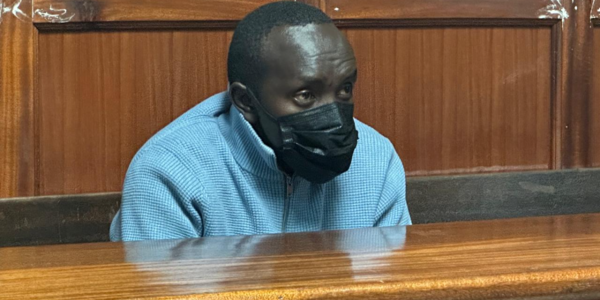
Brian Kiplagat has 15 days to appeal a Nairobi court decision approving his extradition to the United Kingdom, where he faces charges over the murder of Marianne Kilonzi.
Principal Magistrate Carolyne Mugo ordered Kiplagat held in custody pending his surrender to British authorities, unless he challenges the ruling within the two-week window. She also endorsed an arrest warrant from the Westminster Magistrates' Court and directed the investigating officer to prepare an inventory of items to be handed over.
In her Thursday ruling, Mugo clarified the narrow scope of extradition hearings, noting that her role was not to determine guilt.
"The question before this court is whether the material establishes a sufficient evidential connection between the respondent and the alleged offences rather than whether the evidence is sufficient to secure a conviction beyond reasonable doubt," Mugo said.
Kiplagat had challenged the prosecution's case, raising questions about forensic reports, communication records, financial transactions and the inferences drawn from his departure from the UK.
Mugo agreed that the court could not simply accept the extradition allegations as established fact. However, she ruled that Kiplagat's objections must be resolved at a full criminal trial in Britain, not in a Kenyan extradition court.
"Having considered the material presented in support of the request, I am satisfied that the evidence discloses a sufficient nexus between the respondent and the alleged criminal conduct to warrant his trial in the requesting state," she said.
British authorities want Kiplagat to answer charges of murder, manslaughter, perverting the course of justice and fraud by false representation.
The charges stem from Kilonzi's death in her London apartment on or about January 13, 2025. A post-mortem examination found she died from blunt force head injuries.
During the hearing, the Director of Public Prosecutions (DPP) presented evidence showing that Kiplagat and Kilonzi had previously been in a relationship and lived together in London before breaking up.
Prosecutors relied on fingerprint analysis from items recovered at the apartment to link Kiplagat to the scene. They also submitted financial records allegedly showing the movement of funds from their accounts, alongside phone data placing Kiplagat's device in locations matching Kilonzi's phone movements on the day she died.
Witness statements and CCTV footage allegedly tracked Kiplagat from Kilonzi's apartment complex to Heathrow Airport, where he boarded a flight to Nairobi that same day.
Mugo noted that this circumstantial evidence had to be viewed as a whole rather than in isolation. If Kiplagat does not appeal within 15 days, or if an appeal fails, Kenyan authorities will surrender him to the UK to stand trial.





Comments
No comments yet — be the first.