


How Foreigners Can Become US Citizens Without Waiting Five Years

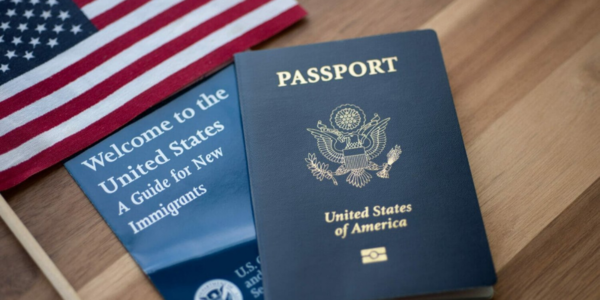
Foreign nationals seeking United States citizenship can bypass the standard five-year permanent residency wait if they qualify through military service, marriage to an American, or qualifying parentage before turning 18.
Guidance published by the US Citizenship and Immigration Services (USCIS) outlines how specific provisions under the Immigration and Nationality Act (INA) waive or shorten standard residence and physical presence rules for these three groups.
For most immigrants, becoming a naturalized US citizen requires holding lawful permanent resident status, commonly known as a Green Card, for five full years before applying. The USCIS exceptions alter that timeline depending on an applicant's family ties or service in the US armed forces.
Military Service Exceptions
Foreign nationals who serve in the US armed forces face the sharpest reductions in waiting times under two separate legal provisions.
Under Section 329 of the INA, applicants who served honorably during designated periods of hostilities may qualify for naturalization without meeting any US residence or physical presence requirements.
Those who served outside designated conflict periods can apply under Section 328 after at least one year of honorable military service. While some standard residence and physical presence rules are reduced or waived, Section 328 applicants must hold lawful permanent resident status by the time of their naturalization interview. They must also prove good moral character for at least five years before filing Form N-400, the naturalization application, through to the day they become citizens.
Unless specific exemptions apply, military applicants under both sections must still pass English and US civics tests, show good moral character, and demonstrate support for the principles of the US Constitution.
Rules for Children of US Citizens
Children of American citizens do not follow the five-year naturalization path at all, acquiring citizenship either at birth or after birth before reaching age 18.
Under Section 320 of the INA, a child born outside the United States automatically becomes a citizen after birth if four conditions were met on or after February 27, 2001:
The child has at least one US citizen parent, including an adoptive parent.
The child is under 18 years old.
The child holds lawful permanent resident status.
The child lives in the United States in the legal and physical custody of the US citizen parent.
Children living abroad can also obtain citizenship before age 18 under Section 322 of the Act. This pathway requires a US citizen parent or grandparent who meets specific physical presence rules, and the child must be lawfully admitted and physically present in the United States when the application is approved.
Children of US citizen military personnel stationed abroad have an additional exception, allowing them to complete the entire citizenship process from outside the country.
The Three-Year Marriage Pathway
Foreign nationals married to US citizens can apply for naturalization after three years as lawful permanent residents instead of five, provided they meet strict relationship and residency rules under Section 319(a) of the INA.
To qualify, the applicant must have lived in a marital union with their American spouse for the full three years immediately before filing. The US partner must have held American citizenship throughout that entire qualifying period, and the couple must remain married and living together until the applicant takes the Oath of Allegiance.
Applicants on the three-year marriage track must also spend at least 18 months physically inside the United States during that period and maintain continuous residence from the application date until naturalization. They are equally required to demonstrate English proficiency, knowledge of US history and government, and good moral character across the three-year window.
The USCIS naturalization guidance comes alongside separate US government updates detailing employment-based Green Card eligibility across three preference tiers, which cover professionals with extraordinary ability, workers holding advanced degrees, and skilled tradespeople.





Comments
No comments yet — be the first.