


US Green Card Rules: 5 Major Changes Employers Must Prepare for Under New Proposal

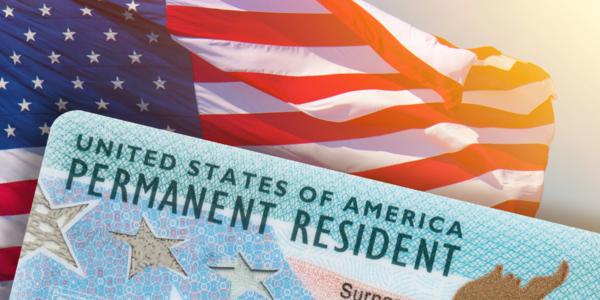
IT staffing and outsourcing firms in the United States could soon be barred from sponsoring foreign workers for green cards if their corporate clients have laid off American employees, under a sweeping rule change proposed by the US Department of Labor.
The proposal, published on November 17, 2026 under Docket No. ETA-2026-0133, marks the first major rewrite of the Permanent Labor Certification (PERM) program in nearly two decades. PERM is the mandatory first step for most employment-based green cards, requiring employers to prove that no qualified American workers are available before hiring foreign nationals.
Under the draft regulations, a staffing or consulting firm could be prevented from placing a sponsored foreign worker at a client’s worksite if that client laid off US workers in a similar role during the previous two years. This restriction would apply whenever signs of an employment relationship exist between the staffing company and its client, even if the staffing firm had no role in the layoffs.
Krystal Alanis, a partner and managing attorney of the PERM department at immigration law firm Reddy Neumann Brown, warned that IT consulting, outsourcing and staffing companies face "significant implications" from the proposal. She advised staffing firms to coordinate closely with clients regarding workforce reductions and employee work locations.
Beyond third-party placements, the rule introduces a direct two-year filing ban for any employer that has laid off American workers in the same or a similar position. According to Reddy Neumann Brown, the draft text goes further than existing notification rules and does not appear to offer an exception even if the company already considered its laid-off US staff for the open role.
"This is a significant planning consideration," Alanis said, noting that companies reducing their workforce while continuing to sponsor green cards will need closer coordination between their human resources, talent acquisition and legal teams.
US Labor Secretary Keith Sonderling said the overhaul is necessary to ensure that Americans receive the "first and best job opportunities." The department argued that current rules fail to guarantee that US applicants are properly considered before companies pursue permanent residency for foreign staff.
The proposed changes also extend to the healthcare sector by eliminating Schedule A, a fast-track category that currently exempts nurses, physical therapists and individuals with exceptional ability in the sciences or arts from standard labor market tests. If approved, hospitals and healthcare employers hiring foreign nurses would have to run full recruitment campaigns to prove no qualified Americans want the jobs.
Recruitment procedures across all industries would also shift from traditional newspaper notices to online channels. Employers would be required to advertise roles for at least 90 calendar days across company websites, job portals, social media platforms, job fairs and campus recruitment drives.
Reddy Neumann Brown noted that the advertising window could stretch even longer for firms that customarily leave postings open past 90 days. A company that normally advertises positions for 180 days would have to match that timeframe for its PERM recruitment, and employers would be barred from tailoring job requirements to favor a specific foreign candidate.
Paperwork requirements would increase at the time of filing. Companies would have to submit their recruitment reports directly with the PERM application rather than simply keeping them on file for potential audits. Employers would also be required to display a Notice of Filing in at least two physical locations and keep it posted until the worker's I-140 immigrant petition is approved.
None of the proposed rules have taken effect. The Department of Labor will review public comments before issuing a final rule, meaning existing PERM standards remain in place for current and pending applications.




Comments
No comments yet — be the first.