


Somalia's Parliament Speaker Accuses Kenya, Ethiopia and Uganda of Colluding With Al-Shabaab, Alleging Israeli Role

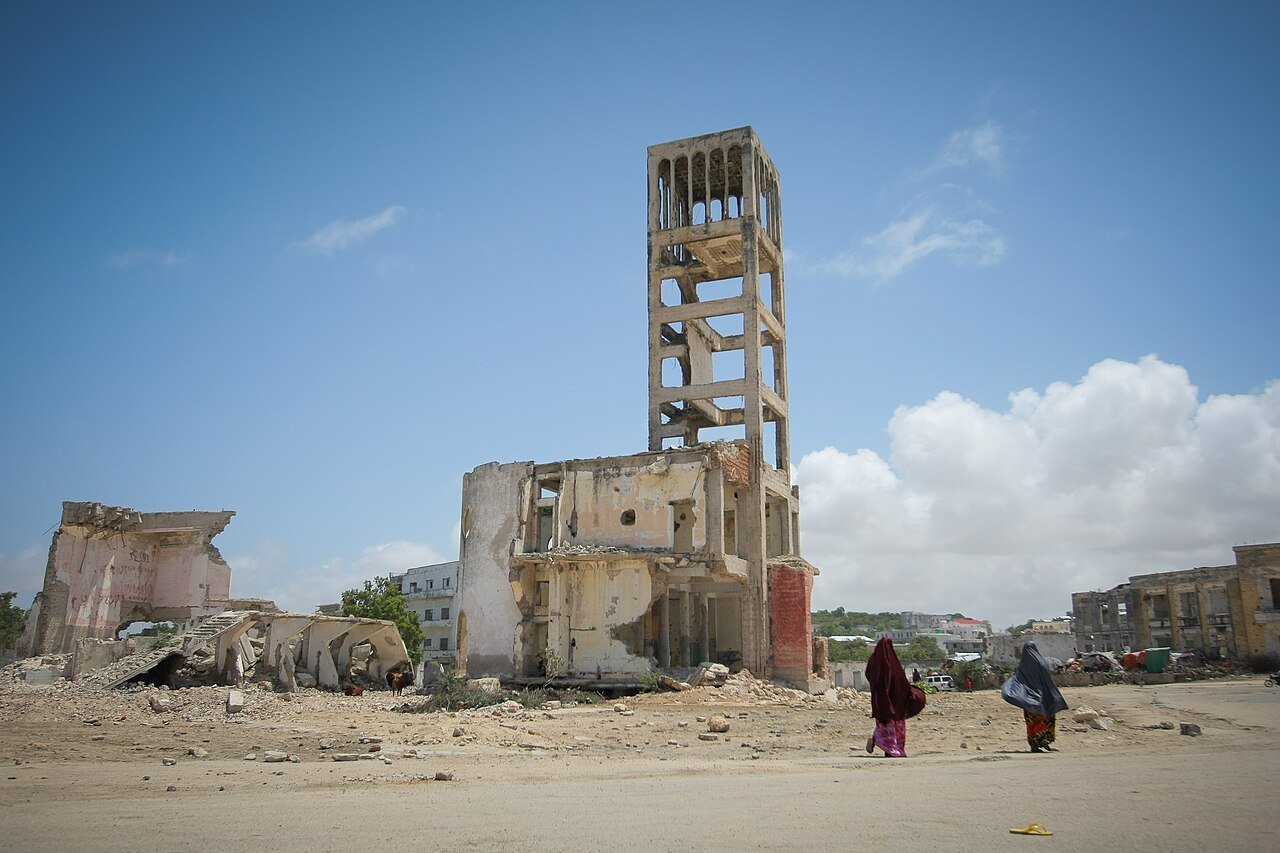
Somalia's parliamentary speaker, Abdulkadir Mohamed Nur, also known as Jaamac, has accused Kenya, Ethiopia and Uganda of colluding with Al-Shabaab, in remarks reported by the Addis Abeba-based news organization Addis Standard. The speaker, who presides over the 275-member House of the People, the lower chamber of Somalia's federal parliament, alleged in the same remarks that Israel had brought together the three countries, the Al-Shabaab militant group and forces loyal to a former leader of South West State, one of Somalia's federal member states.
South West State, whose capital is Baidoa, sits among the federal member states whose relations with the central government in Mogadishu have deteriorated sharply in recent years. The most serious rupture has been with Jubaland, the state bordering Kenya, after its incumbent president won re-election there in late 2025 in a contest the federal government rejected.
The accusation targets the three governments with the longest military involvement in Somalia. Uganda deployed the first peacekeepers under the African Union Mission in Somalia in 2007. Kenya sent troops across its border in October 2011, after a spate of kidnappings on Kenyan soil blamed on the militants, and absorbed its forces into the AU mission in 2012. Ethiopian troops first entered Somalia in 2006 and have maintained a presence under bilateral and AU arrangements. The mission itself is now in its third form, with the African Union Support and Stabilization Mission in Somalia having replaced the African Union Transition Mission in Somalia in January 2025.
Al-Shabaab, an insurgency aligned with al-Qaeda, has fought Somalia's internationally recognized federal government since 2006 and still holds territory across southern and central Somalia. It has carried out mass-casualty attacks in Mogadishu and in Kenya, including the September 2013 siege of the Westgate shopping mall in Nairobi, which killed 67 people, and the April 2015 attack on Garissa University College, which left 147 dead. The United States designated Al-Shabaab a foreign terrorist organization in 2008.
The allegations arrive amid a stretch of diplomatic turbulence between Mogadishu and its neighbors. Somalia and Ethiopia spent much of 2024 in their deepest crisis in years after Ethiopia, landlocked since Eritrea's independence in 1993, signed a memorandum of understanding with Somaliland, the breakaway northern region, on January 1, 2024, securing access to the sea in a deal Mogadishu denounced as a violation of its sovereignty. Turkish-brokered talks in December 2024 defused the standoff with the Ankara Declaration, under which Ethiopia pledged to respect Somali sovereignty.
Kenya's relationship with Mogadishu has followed a similarly volatile path. The two countries severed diplomatic relations in December 2020 and restored them in 2021, and the International Court of Justice ruled largely in Somalia's favor in October 2021 in their long-running maritime boundary case, a verdict Kenya rejected. The Jubaland standoff of late 2025 brought further measures, including Somalia's suspension of khat imports from Kenya.
Israel, which the speaker placed at the center of the alleged arrangement, has long-standing security relationships in East Africa, including counterterrorism and intelligence cooperation with Kenya and a decades-old defense relationship with Ethiopia. Somali officials have accused foreign governments of interference before, most pointedly Ethiopia during the 2024 port dispute, but public accusations that neighboring troop contributors are colluding with the militants themselves are rare. The coming days will show whether Nairobi, Addis Ababa, Kampala or Jerusalem respond formally, and whether Somalia's executive branch embraces or distances itself from its parliamentary speaker's claims.
Somalia's federal government, fighting alongside AU troops and local clan militias, has pursued a large-scale offensive against Al-Shabaab since 2022, with early operations concentrated in the Hiiraan and Middle Shabelle regions. The United States has continued airstrikes against the group's leadership, including a series of strikes in February 2025, weeks after President Donald Trump began his current term, that killed several senior Al-Shabaab figures.
Photo: AMISOM Public Information / Wikimedia Commons, CC0




Comments
No comments yet — be the first.