


Ruto Admits State Wrongdoing During Protests, Discloses Sh1.2 Billion Paid to Victims in Fourth State of the Nation Address

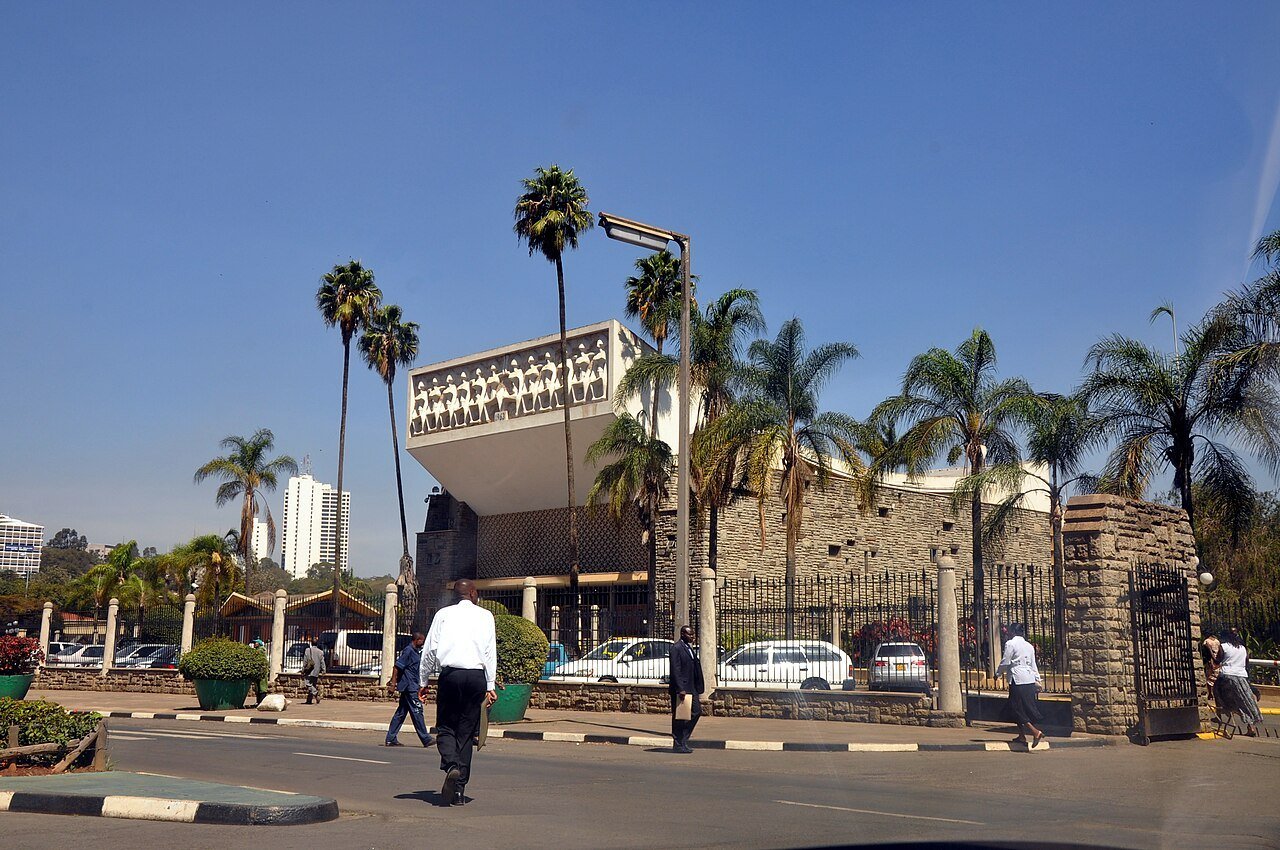
President William Ruto used his fourth State of the Nation address to acknowledge wrongdoing by the State during the anti-government protests that swept Kenya, telling a joint sitting of Parliament in Nairobi that Sh1.2 billion has been paid out to victims.
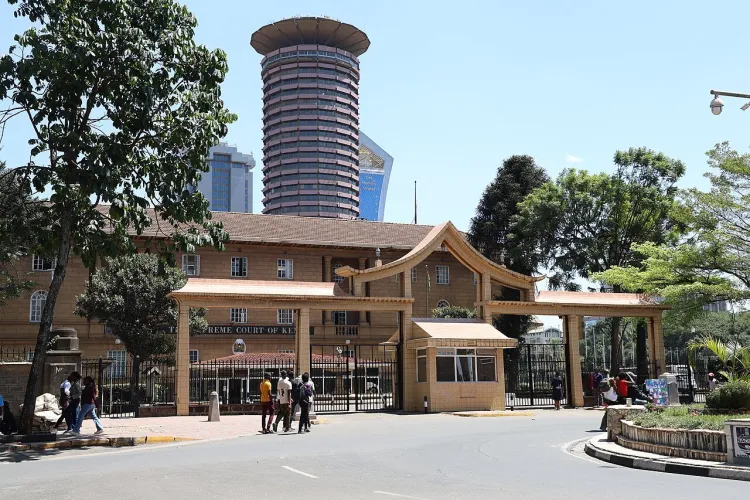
The address was delivered to the National Assembly and the Senate sitting together at Parliament Buildings in Nairobi, in the annual session at which the head of state reports to the nation on the country's affairs. The speech is traditionally broadcast live on national television and radio and is attended by senior office holders across the arms of government, county governors, diplomats and other invited guests.
At the centre of the President's message was an admission that State organs and officers acted wrongly in the course of the demonstrations, together with the disclosure that compensation amounting to Sh1.2 billion has been paid to victims.
The protests concerned the youth-driven demonstrations that erupted across Kenya in mid-2024 against that year's Finance Bill, which proposed a fresh round of taxes at a time of sharply rising living costs. Organised largely on social media and dominated by young Kenyans, the movement came to be known as the Gen Z protests, with proposed levies touching everyday goods and transactions drawing particular public anger.
The demonstrations peaked in late June 2024, when protesters forced their way into the Parliament compound in Nairobi on the same day the National Assembly passed the Bill. Security forces responded with live ammunition, and deaths, injuries and widespread destruction of property were recorded in the capital and other towns. President Ruto subsequently declined to sign the Bill, and it was withdrawn in one of the sharpest reversals of his administration.
In the months that followed, state and independent human rights bodies documented killings, injuries and abductions linked to the policing of the protests, while families of those affected pressed for accountability and redress. A number of people who had been reported missing resurfaced in early 2025, and the President publicly stated that he had instructed security agencies to stop the abductions.
Compensation for victims has been among the demands raised since the crackdown by families of the dead and injured and by human rights organisations that tracked the conduct of security agencies during and after the protests.
The State of the Nation address is anchored in the 2010 Constitution, which requires the President to address a special sitting of Parliament at least once every year and to report on measures taken and progress achieved in realising the national values set out in the supreme law. Joint sittings of the two Houses for the address are presided over by the Speakers of the National Assembly and the Senate.
Dr Ruto has been Kenya's President since September 2022, when he was sworn in as the country's fifth head of state after winning the August 2022 presidential election. He served two terms as Deputy President under Uhuru Kenyatta between 2013 and 2022 before the two parted ways, and he won the top office even though his former boss backed a rival candidate in that race.
His previous State of the Nation addresses have covered the economy, security and the administration's legislative agenda, anchored on the Bottom-Up Economic Transformation Agenda, the economic programme he campaigned on. His second address came months after the height of the 2024 protests and also dealt with the demonstrations and the demands they raised.
The fourth address comes at a time when the cost of living, taxation and the weight of Kenya's public debt remain dominant public issues, the same grievances that animated the 2024 demonstrations.
Annual presidential addresses to Parliament have been a fixture of the constitutional order since the 2010 Constitution took effect, with Mwai Kibaki, Uhuru Kenyatta and Dr Ruto each required to account to the Houses on the state of the nation and the progress of their governments.
Photo: Jorge Láscar from Bogotá, Colombia / Wikimedia Commons, CC BY-SA 2.0

Comments
No comments yet — be the first.