


Non-Muslim Kenyans in Saudi Arabia Warned Against Entering Mecca and Pilgrimage Zones

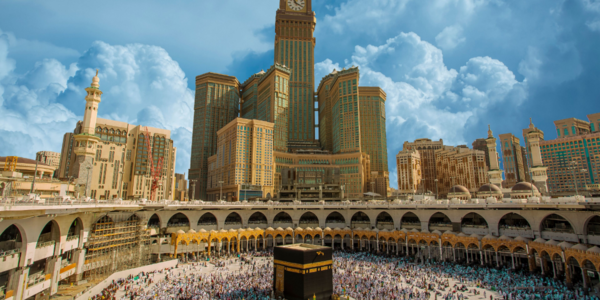
Kenyans heading to Saudi Arabia for work, business, or tourism should confirm their exact destinations before booking travel to avoid violating strict laws that bar non-Muslims from Islamic sacred areas.
The Kenyan Embassy in Riyadh issued the practical reminder in an advisory on Wednesday, November 25, following a move by Saudi authorities to reiterate existing entry regulations. According to the diplomatic mission, crossing into restricted religious zones as a non-Muslim constitutes an offense under the Kingdom's laws, regardless of a person's nationality or immigration status.
While foreign nationals are permitted to enter and visit other parts of Saudi Arabia, the law strictly prohibits non-Muslim visitors and residents from entering the Holy Haram of Mecca and surrounding pilgrimage areas collectively known as Al-Mashaer Al-Muqaddasah.
Get the day’s top stories by email
The Mwakilishi Daily News Digest: Kenya and diaspora news, once a day. Free, and you can unsubscribe anytime.
“The Embassy wishes to inform all Kenyans that the Kingdom of Saudi Arabia has reiterated its existing laws and regulations prohibiting non-Muslims from crossing into or entering the boundaries of the Holy Haram of Makkah and the Holy Sacred Sites (Al-Mashaer Al-Muqaddasah),” the advisory stated.
Saudi authorities enforce this restriction, which is rooted in Islamic religious tradition, through designated entry boundaries and security checkpoints around the city. The embassy urged Kenyans to respect these boundaries and comply with local statutes.
Also read Kenyan Woman Missing in Saudi Arabia as Family Accuses Consulate of Delaying Search
Mecca, also spelled Makkah, is Islam's spiritual center and hosts millions of Muslim worshippers each year for the major Hajj pilgrimage and the lesser Umrah pilgrimage. At the heart of the city is Masjid al-Haram, or the Grand Mosque, which houses the Kaaba—the black cubical structure that Muslims worldwide face during their five daily prayers.
During Umrah and Hajj, pilgrims at the Grand Mosque perform Tawaf, walking around the Kaaba seven times in an anti-clockwise direction, and Sa’i, walking seven times between the hills of Safa and Marwah to commemorate Hajar's search for water for her son Ismail.
The annual Hajj, one of the five pillars of Islam, takes place during specific days in the Islamic month of Dhul-Hijjah and extends to several surrounding sites that fall under the Al-Mashaer Al-Muqaddasah restrictions.
Pilgrims travel to Mina for prayer and to perform the symbolic stoning of the devil at Jamarat. They also gather for hours of prayer and supplication at Mount Arafat on the most important day of the pilgrimage, before spending the night in Muzdalifah to collect pebbles for the stoning ritual.
Because these sites remain strictly reserved for Muslims, the embassy advised all non-Muslim Kenyans planning trips to the Gulf nation to check whether their planned routes or workplaces fall within the prohibited boundaries.
Read next

Family Seeks Help to Trace Lucy Wambui Kimani, 24, Missing in Jeddah, Saudi Arabia

Repatriated Kenyan Woman Complained of Electric Shock Before Fatal Collapse in Saudi Arabia

No Deal Yet for Skilled Kenyan Workers in Saudi Arabia, Riyadh Confirms



Comments
No comments yet — be the first.