


Mysterious Hippo Deaths in Lake Naivasha Raise Fears of Possible Poisoning

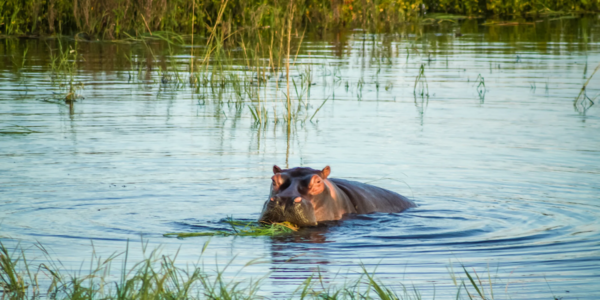
Heavy rains and thick water hyacinth are slowing Kenya Wildlife Service (KWS) teams trying to recover and test four hippo carcasses spotted in Lake Naivasha, as local fishermen suspect poisoning.
The latest discoveries in the Kibokoni area and near the Malewa River bring the number of hippos found dead in the lake over the past two weeks to more than six. Residents and beach operators say the floating carcasses threaten fishermen, tourists, and other wildlife, while hurting businesses along the shoreline.
KWS communication officer Duncan Juma said patrol teams were dispatched to collect samples from the four carcasses, though weather and lake conditions have complicated the operation.
"Currently, there is heavy rain and water hyacinth around where the carcasses were allegedly spotted, and this has hampered our operations," Juma said by phone.
Local leaders and fishermen say the pattern of deaths is unusual and points to possible poisoning, noting that the dead animals had bloated stomachs and no visible wounds.
"We have spotted four more dead hippos in Kibokoni and Malewa areas, and the carcasses are bloated, and it’s rare to find so many dead hippos in a span of one week," said Laban Ewoi, a member of the Kamere Beach Management Unit (BMU).
Grace Nyambura of the Lake Naivasha and Lake Oloiden Fishermen's Organisation said this is the highest number of hippo deaths recorded in the lake in years. While she noted it is normal to occasionally find a hippo killed by old age or territorial fights with other hippos, the current toll has alarmed the community.
"Six hippos have died in the lake in the last week, and all of them have bloated stomachs, and this is very suspicious," Nyambura said, urging KWS to investigate quickly.
Beach operators also warned that the decomposing animals are driving away visitors who pay to see the lake's wildlife.
"The carcasses are a tourist attraction on our beach. They bring us a lot of trouble because a lot of tourists come to Kenya and pay a lot of money to come and see the hippos, which we don't have anywhere else," one resident said.
While KWS has not issued a formal statement on the latest four carcasses, Juma pushed back against poisoning claims regarding two hippos that died last week at Kamere landing beach. Fishermen watched those two animals struggle to breathe along the shore for hours before they died.
According to Juma, postmortem examinations by KWS scientists showed one hippo died from severe bloating after straying onto a nearby farm and overeating cereals.
"The second one had fed on fishing nets, and this compromised its digestive system, leading to its death, and there was no poisoning as alleged," Juma said.
Rising lake levels over the past two months have flooded traditional grazing grounds, pushing dozens of hippos onto neighboring farms and estates in search of food.
The Lake Naivasha basin is surrounded by commercial flower farms, horticultural exporters growing roses, fruits, vegetables, and herbs, dairy estates, livestock ranches, and open-field farms cultivating maize, wheat, barley, and sorghum. Many of these farms draw irrigation water from the lake and nearby boreholes.
Fears of chemical poisoning in Naivasha also follow a deadly wildlife incident months earlier in the Amboseli-Kimana ecosystem, where 18 elephants, mostly adult females and calves, died by August. Preliminary tests by KWS and the University of Nairobi pointed to cyanide poisoning after investigators found tomatoes inside the carcasses, arrested four suspects, and recovered unlabeled toxic chemicals in Tokondu Kima.





Comments
No comments yet — be the first.