
Could Some Green Card Applicants Be Forced to Leave the US? New Guidance Fuels Debate
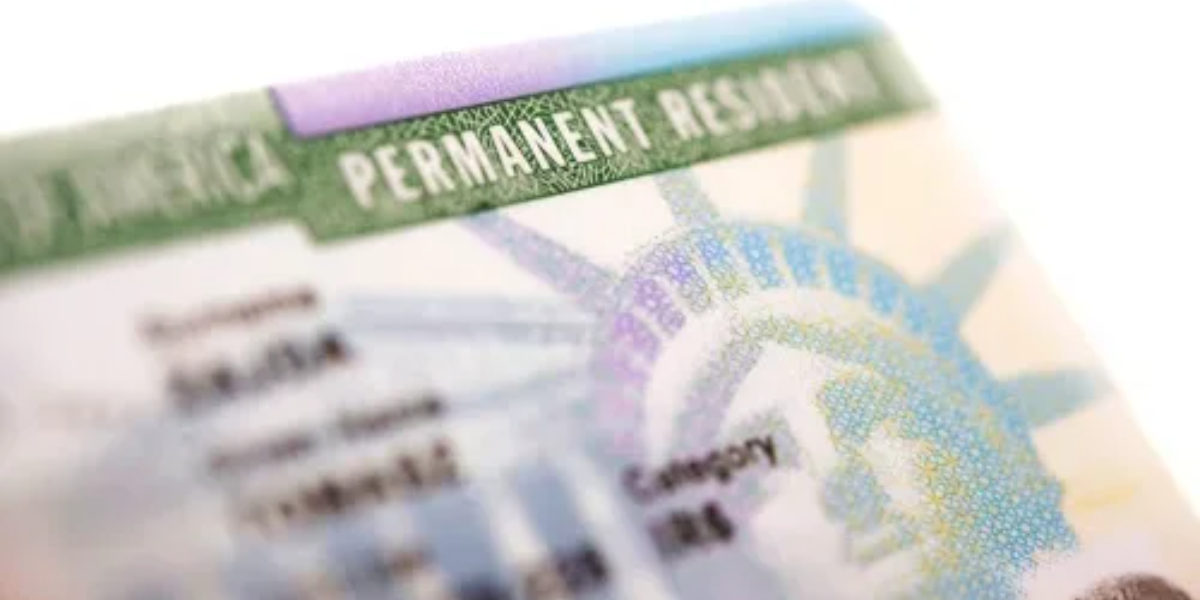
The Trump administration has issued new immigration guidance that could require some green card applicants to leave the United States and complete part of the process abroad, raising questions about a long-established pathway to permanent residence.
The guidance, set out in a policy memorandum released shortly before the Memorial Day holiday, suggested that many temporary visa holders and humanitarian parole recipients seeking permanent residence may be expected to complete the final stages of their applications outside the United States. The proposal appeared to depart from long-standing practice and prompted concerns about the future of adjustment of status, the process that allows many immigrants to obtain green cards without leaving the country.
After concerns emerged following the announcement, federal officials sought to clarify the policy's scope. The Department of Homeland Security said the memorandum does not create an automatic requirement for all applicants and stressed that immigration officers retain discretion when assessing individual cases.
However, questions remain because the original guidance appeared to signal a more restrictive interpretation of existing immigration rules. Immigration lawyers and policy specialists say the episode reflects increasing scrutiny of legal immigration pathways.
Critics argue that the guidance creates uncertainty for people following established procedures, while supporters of the administration say it reinforces legal standards that they believe have not always been applied consistently. The potential impact could be significant.
Adjustment of status has been a key part of the US immigration system since the early 1950s and is used by hundreds of thousands of applicants each year. Family-sponsored immigrants account for the largest group of beneficiaries, although employment-based applicants, international graduates and people in mixed-status households also depend on the process.
In states with large immigrant populations, including California, any substantial change could affect many thousands of families annually. One unresolved issue is whether the guidance could affect applications that are already being processed.
Immigration attorneys say some applicants attending recent interviews have been asked why they chose to apply for permanent residence from within the United States instead of through overseas consular processing. While those questions do not necessarily indicate a formal policy change, lawyers view them as a sign that officials may be examining the limits of the new guidance.
The uncertainty has increased concerns among applicants with complex immigration histories. Many people awaiting green card decisions have remained in the country under government-authorised programmes after their original visas expired.
Attorneys warn that a stricter interpretation of immigration law could result in some applications being denied and could leave certain applicants exposed to removal proceedings. Although there is no indication that such outcomes will become common, the possibility has heightened concern among affected communities.
The practical implications could also be substantial. For many immigrants, completing the process abroad is not a simple administrative step. Consular backlogs in several countries can cause lengthy delays, while visa services remain limited or suspended in some locations.
Applicants required to leave the United States could face extended separation from family members and employers. In some cases, departure may trigger legal restrictions that prevent a person from returning for several years.
Business groups, particularly in the technology sector and other industries that rely on skilled workers, have also raised concerns. Employers say requiring workers to leave the country during lengthy processing periods could disrupt operations, reduce workforce stability and make the United States less attractive to international talent.
Those concerns point to broader economic effects beyond the individuals directly involved. Legal challenges are increasingly likely. Immigration organisations and advocacy groups argue that adjustment of status was established by Congress and has been used by administrations of both parties for more than seven decades.
They contend that any effort to significantly restrict access through executive action could face close examination in the courts. Some state officials and advocacy organisations have indicated that they are considering possible responses if the policy is applied more aggressively.
The dispute highlights continuing tensions between executive authority and statutory immigration law. Federal officials maintain that the memorandum reflects existing legal requirements.
Critics, however, see it as part of a wider effort to limit legal immigration through administrative action rather than legislation. Until further guidance is issued or the courts become involved, many applicants face uncertainty about how the rules will be applied.





Comments
No comments yet — be the first.