
US Government Withdraws Subpoenas Against New York Times Journalists, Signaling Challenges in Media Crackdown
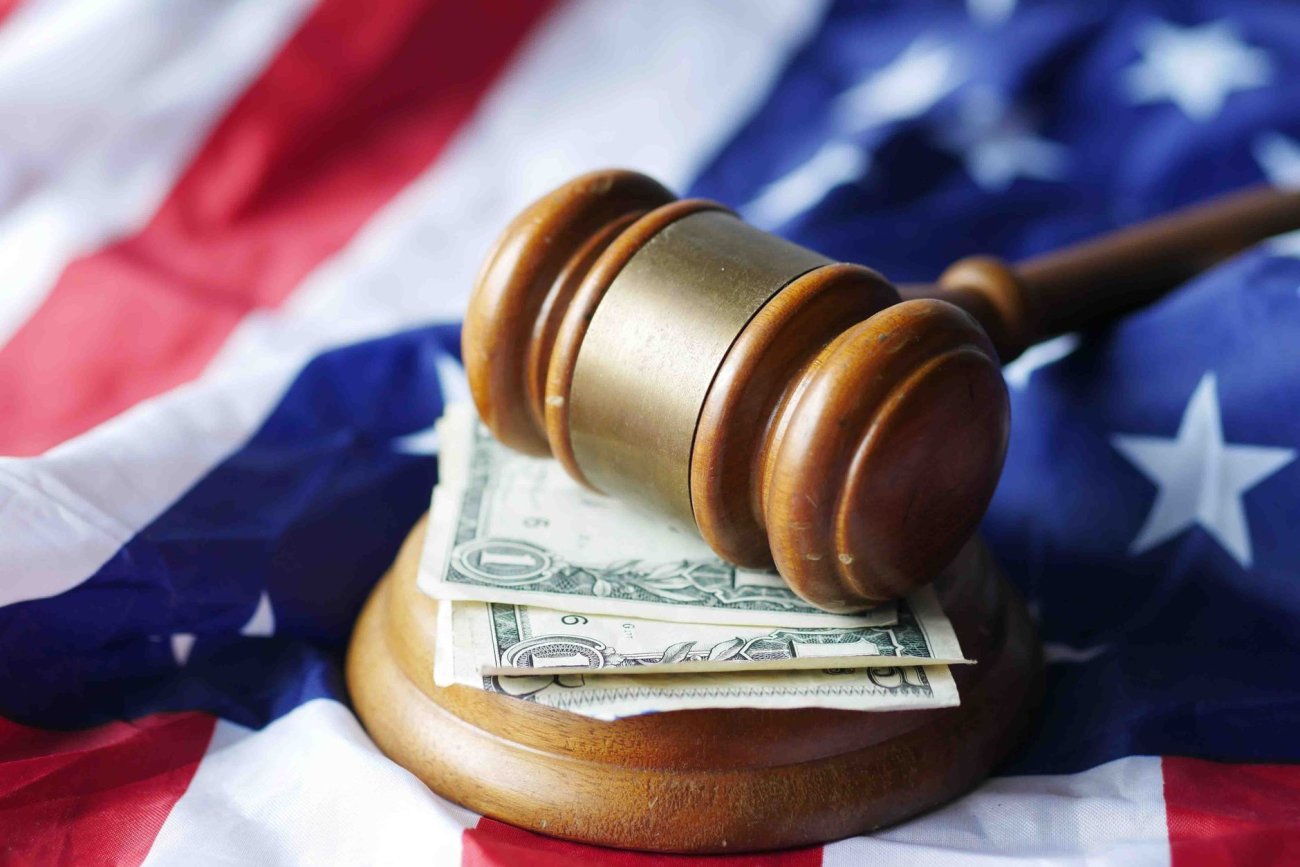
In a significant development highlighting tensions between the U.S. government and the press, the administration has retracted subpoenas issued to three New York Times journalists. The move comes amid increasing scrutiny over the government's attempts to curb critical media coverage. The subpoenas, part of a broader effort to investigate unauthorized disclosures of information, were rescinded as legal challenges mounted, underscoring the intricate balance between national security and press freedom.
The withdrawal marks a notable instance in the ongoing debate over press freedom in the United States. U.S. Attorney General Todd Blanche, in a statement, emphasized the administration's respect for constitutional protections, stating, "While national security remains a priority, we are committed to upholding the principles of a free press as enshrined in the First Amendment." This development follows a series of legal defeats for the government in similar cases, prompting questions about the future of media rights under the current administration.
The decision to withdraw the subpoenas reflects a broader trend in which courts have increasingly sided with media organizations facing government pressure. Legal experts have noted a shift in judicial attitudes, with more rigorous scrutiny of government actions that could infringe on journalistic practices. This case, in particular, has been closely watched as an indicator of how far the government might go in its pursuit of leakers and whistleblowers.
Critics of the government's approach argue that such measures could have a chilling effect on investigative journalism, deterring sources from coming forward with information of public interest. The Committee to Protect Journalists (CPJ) has been vocal in its criticism, with a spokesperson stating, "The retraction of these subpoenas is a victory for press freedom, but it also serves as a reminder of the constant vigilance required to protect journalists from undue government interference."
The issue resonates beyond U.S. borders, with implications for global perceptions of media freedom. Developing nations, often under pressure to model Western democratic values, watch closely how the U.S. navigates this complex terrain. The ability of journalists to operate without fear of retribution is a cornerstone of democratic societies, and actions taken by the U.S. government can set precedents that influence media policies worldwide.
As the situation evolves, stakeholders continue to monitor potential legislative and policy changes that could impact journalistic practices. Advocacy groups are urging a reevaluation of laws related to press freedom and the protection of sources, advocating for stronger safeguards against government overreach. In the current climate, the balance between security and freedom remains a delicate one, with significant consequences for the future of both press and governance.



Comments
No comments yet — be the first.