

Iran vows to fight until US yields as ships sink in Hormuz
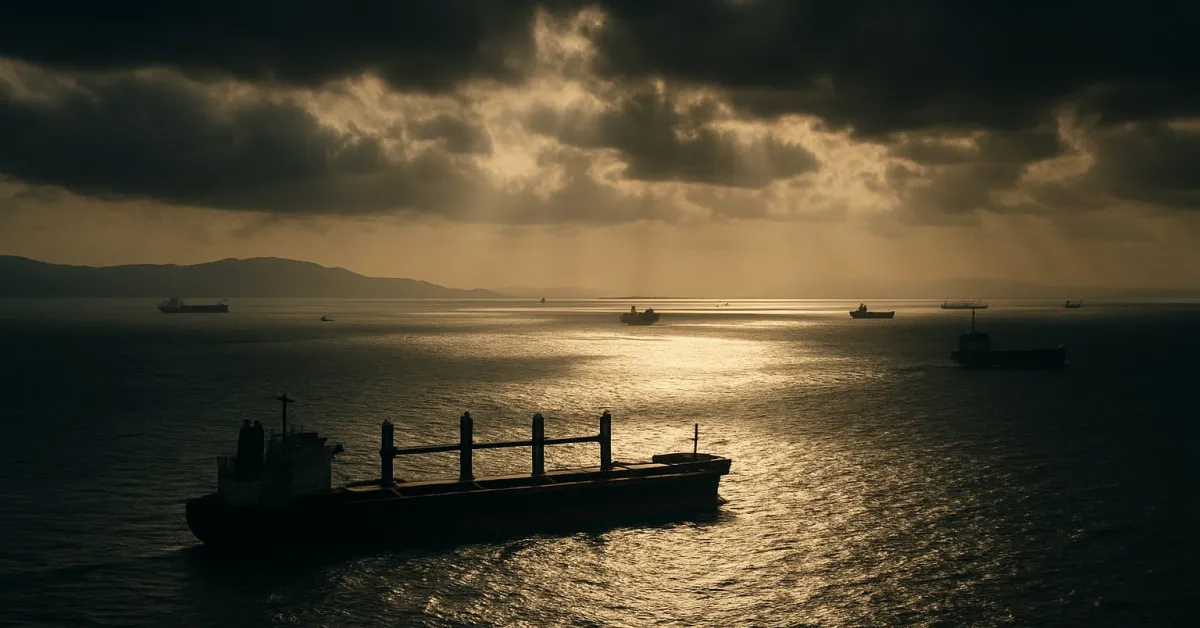
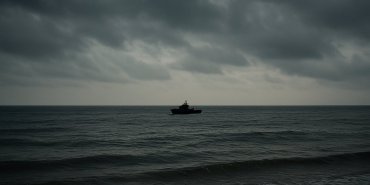
Iran has declared its intention to continue fighting until the United States yields to its demands amidst escalating tensions in the strategic waters of the Strait of Hormuz. The situation has intensified with reports of ships sinking in the region, highlighting the volatile nature of maritime security in this crucial global shipping lane.
The Iranian government has stated that it does not seek an endless war, but it remains resolute in its stance against U.S. policies in the region. This declaration comes in the wake of increased military activity, including the U.S. destruction of a dhow in the Gulf of Oman, which was suspected of being involved in Iranian command and control operations. The U.S. has accused this vessel of conducting surveillance, further complicating the already tense relations between the two nations.
The Strait of Hormuz is a vital chokepoint for global oil shipments, with approximately one-fifth of the world's oil passing through these waters. The ongoing conflict and military maneuvers in this region are not only significant for the countries directly involved but also have far-reaching implications for global energy markets and international trade.
For the Kenyan diaspora, the developments in Iran and the Gulf region may resonate deeply, given the interconnectedness of global economies. Many Kenyans living abroad rely on stable international markets for their livelihoods, whether through remittances or investments. The potential for disruption in oil supplies could lead to increased fuel prices, impacting both the cost of living in Kenya and the economic conditions faced by Kenyans overseas.
The situation remains fluid, with both Iran and the United States poised for further action. As maritime security becomes increasingly precarious, the international community watches closely, aware that the ramifications of this conflict could extend beyond the immediate region.

















Add new comment