
Meet the US-based Kenyan Doctor Championing Healthcare Change Through Diplomacy
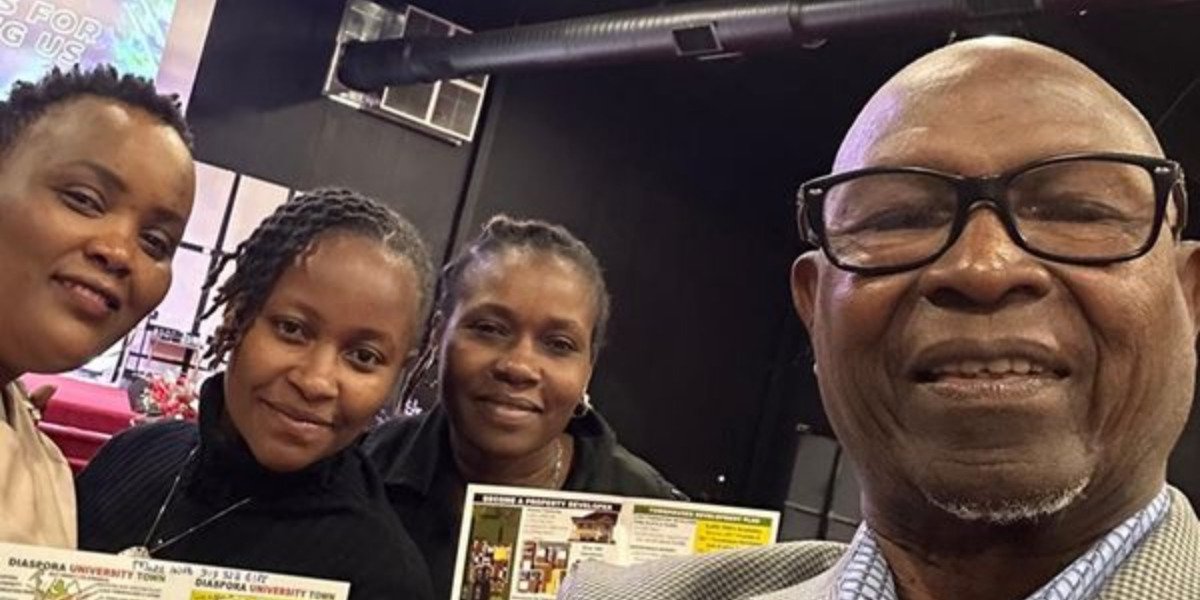
Dr Philip Mwalali has spent more than four decades working in clinical medicine, public health and international health policy.
The Kenyan-born obstetrician-gynaecologist, now based in Durham, North Carolina, has focused on strengthening healthcare in Africa through partnerships that connect diaspora expertise with local health systems. Over the course of his career, Dr Mwalali has built a reputation in global health by promoting collaboration between healthcare professionals, governments and international organisations.
His work centres on using the skills and experience of African professionals living abroad to support healthcare development across the continent. A key part of this approach is international health diplomacy, which uses medical expertise and cooperation between countries to address shared health challenges. It supports foreign policy objectives while helping to strengthen national health systems.
The field includes coordinating responses to disease outbreaks, negotiating access to vaccines and encouraging partnerships that improve healthcare delivery. Increasingly, it also relies on professionals outside government, including diaspora networks, to support lasting improvements in developing countries.
Kenya's reproductive health system highlights the need for this type of cooperation. Obstetric fistula, caused by prolonged obstructed labour without timely surgical treatment, continues to affect thousands of women across the region each year.
Many require specialised reconstructive surgery as well as long-term care. Addressing the condition also depends on stronger maternal health services, better training for midwives and improved access to emergency obstetric care.
International partnerships have an important role in supporting these efforts.
Dr Mwalali's career reflects these principles in practice. During his work with United Nations agencies, including the World Health Organization and the United Nations Population Fund, he advised governments across southern Africa on reproductive health policy.
He also helped standardise medical training and supported the development of national health strategies. His work required balancing political considerations with the long-term goal of building stronger and more sustainable healthcare systems.
In 2015, Dr Mwalali co-founded the African Diaspora Coalition of North Carolina (ADCUSA) to encourage African professionals living in the United States to contribute their expertise and resources to development projects in Africa. The organisation is based on the view that diaspora communities offer more than financial support through remittances.
They also provide professional knowledge, technical skills and experience that can strengthen institutions. Speaking about the organisation's goals, Dr Mwalali said: "About 50% of the diaspora Kenyans living in the US work in the healthcare sector. We the Kenyans are ready to expand healthcare in Kenya. The Diaspora University and the Diaspora University Medical Hospital started here will create thousands of jobs while bringing world-class care home."
Through ADCUSA and his leadership of the Diaspora University Medical Hospital Plan, Dr Mwalali has worked to turn these ideas into practical projects. He has sought partnerships, encouraged investment and helped develop plans for a teaching hospital and medical school. The initiative aims to improve healthcare services while creating employment opportunities and expanding medical education.






Comments
No comments yet — be the first.