
Kenyan Truck Driver Killed in DRC as Association Urges Halt to Risky Journeys
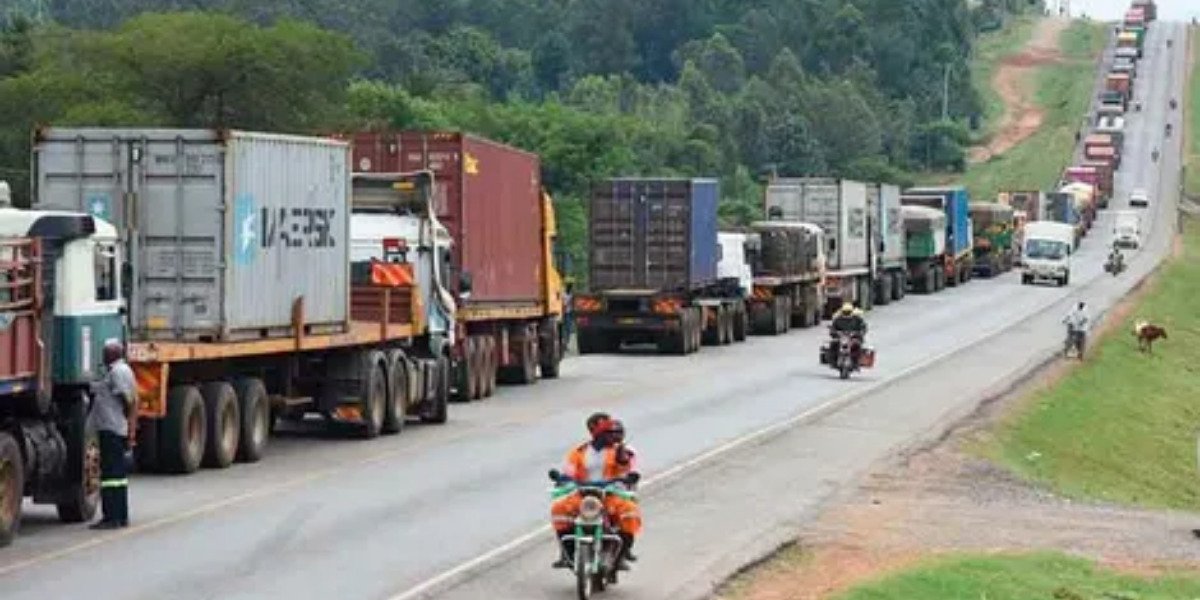
A Kenyan truck driver, identified as Mohamed Talib, has reportedly been killed along a major cargo route in the eastern Democratic Republic of Congo (DRC), prompting the Long Distance Drivers and Conductors Association (LoDCA) to call for a temporary halt to non-essential journeys.
LoDCA said the incident highlights worsening security along the Mahagi-Pimbo-Dugu-Bunia-Kisangani route, where transport workers face threats from armed attacks, kidnappings and ambushes. In a statement, the association expressed concern over renewed violence affecting drivers and civilians. It conveyed its condolences to Talib’s family and colleagues and warned that truck crews remain exposed to serious risks in areas where armed groups operate.
The reported killing follows concerns over a rise in attacks on transport workers in the region. In a separate incident, several Kenyan drivers were reportedly among cargo operators seized by rebels while travelling through parts of Djugu and Bunia, areas affected by prolonged insecurity and the presence of armed groups.
Reports from the area indicated that vehicles were attacked, damaged and stripped of their identifying features. The incidents have raised concerns about the safety of commercial convoys transporting goods through areas where security remains unstable.
LoDCA also cited poor road conditions as a factor increasing the risks faced by drivers. Damaged roads can force trucks to travel slowly or become stranded, leaving crews more vulnerable to attacks by armed groups and criminals.
The association has urged transport companies, logistics firms and cargo owners to suspend journeys that are not essential until authorities can provide adequate security assurances. It also advised operators against sending drivers into affected areas without reliable security information, thorough risk assessments and the necessary clearances.
Drivers already travelling along the corridor have been advised to seek secure locations, maintain regular contact with fleet managers and follow instructions from recognised security agencies and local authorities. The security situation poses risks beyond the safety of individual drivers.
The route is an important trade corridor connecting markets and supporting the movement of goods across national borders. Prolonged disruptions could affect businesses, supply chains and consumers who rely on regular cargo deliveries.
Transport companies could also face higher insurance costs and increased operating expenses as insecurity makes some routes more difficult or dangerous to use. Continued attacks may force operators to reconsider whether certain journeys can be carried out safely.
LoDCA has called on the governments of Kenya and the DRC, transport regulators and regional trade stakeholders to strengthen security cooperation along the corridor. It has also urged authorities to improve the sharing of information on threats to help transport companies make informed decisions before dispatching drivers.
The association said coordinated action was necessary to improve the safety of transport workers and restore confidence in routes that support regional trade.






Comments
No comments yet — be the first.