


Kenyan-Born Sam Mwangi Wins City Council Seat in Minnesota in U.S. Midterm Elections
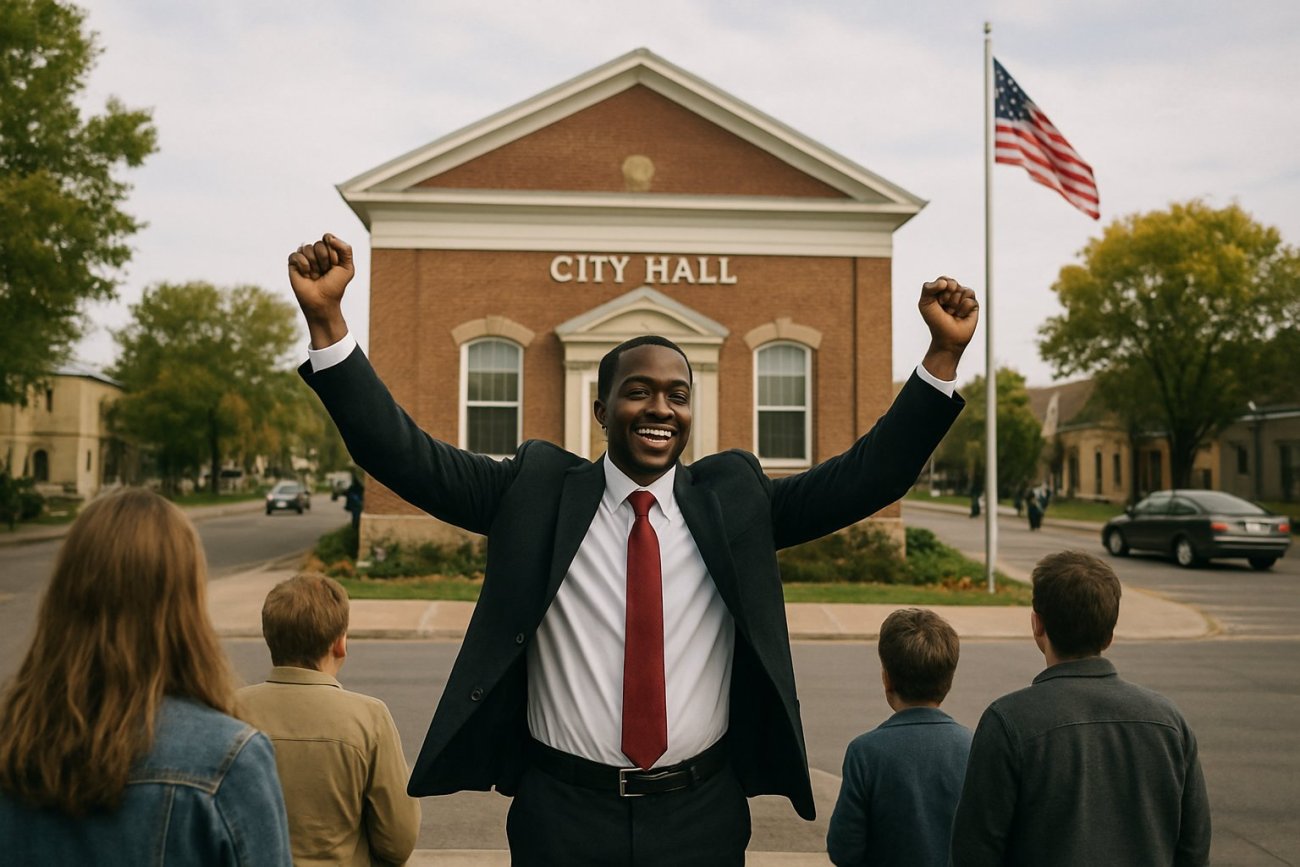
Sam Mwangi, who was born in Kenya, has won a seat on a city council in the U.S. state of Minnesota, according to results from the general election held across the United States on Tuesday, November 3, 2026. Mwangi was declared the winner after polls closed on election night, adding his name to the list of successful candidates in a midterm election year that featured contests for federal, state and local offices nationwide.
Mwangi contested the race for a seat on the city council, the local legislative body that governs municipalities in Minnesota. City councils in the state are responsible for adopting city budgets, setting property tax levies, passing ordinances and resolutions, making zoning and land-use decisions, and directing spending on public safety, infrastructure and other municipal services. Council members typically meet on a regular schedule to conduct the city's business and act on staff recommendations.
The race was part of the 2026 U.S. midterm elections, in which voters chose all 435 members of the U.S. House of Representatives, more than 30 U.S. senators and 36 state governors, along with thousands of state legislators, mayors, school board members, city council members and other local officials. Turnout in midterm years has historically been lower than in presidential election years, and results in local contests are often decided by narrow margins and relatively small numbers of votes.
Minnesota's ballot on Tuesday also included one of the state's two U.S. Senate seats, all eight of its U.S. House districts, the governorship, other statewide offices and seats in the state Legislature. Results in races across the country continued to be reported on Wednesday as election officials processed the remaining ballots.
City council elections in Minnesota are officially nonpartisan, meaning candidates appear on the ballot without party labels. Council members in most Minnesota cities serve four-year terms, and some cities use staggered terms under which only a portion of the council seats appear on the ballot in a given election year. Newly elected members are typically sworn in at the start of the new term in early January 2027, when they take the oath of office at a meeting of the council.
Under Minnesota law, candidates for city council must be eligible voters, a requirement that includes United States citizenship, and must have lived in the city they seek to represent for the period specified by state law or the city's charter. Minnesota cities operate under locally adopted charters or statutory frameworks that determine the size of the council, the selection of a mayor and the timing of municipal elections.
Results reported on election night are unofficial until they are formally certified. County and municipal canvassing boards in Minnesota review the returns in the days following the election and certify the final results. The state uses paper ballots counted by optical scan tabulators, and election officials conduct post-election reviews and audits as part of the certification process. Polls across Minnesota opened at 7 a.m. and closed at 8 p.m. local time on Tuesday.
Minnesota is a state in the Upper Midwest region of the United States with a population of roughly 5.7 million people. Its capital is St. Paul and its largest city is Minneapolis, and the two cities together with their surrounding suburbs form the Twin Cities metropolitan area, the state's population and economic center. Minnesota has consistently ranked among the states with the highest voter turnout in the country in both presidential and midterm election years.
According to census data, about one in ten Minnesota residents was born outside the United States. The Minneapolis–St. Paul area is home to one of the largest East African-born populations in the country, including communities with roots in Somalia, Ethiopia, Eritrea, Kenya and other nations. East African-owned businesses, religious institutions and community organizations are a long-established part of the region's civic landscape.
Mwangi will take office alongside other local officials elected on Tuesday once the results are certified and the new council terms begin. The incoming council will be responsible for adopting the city's budget, setting its tax levy and overseeing municipal operations for the term ahead, with its first organizational meeting scheduled under the procedures set out in state law and the city charter.



Comments
No comments yet — be the first.