


Kenya Bans Repatriation of Bodies of Citizens Who Die of Ebola Abroad

Kenyans who die of Ebola outside the country will no longer have their bodies repatriated home for burial.
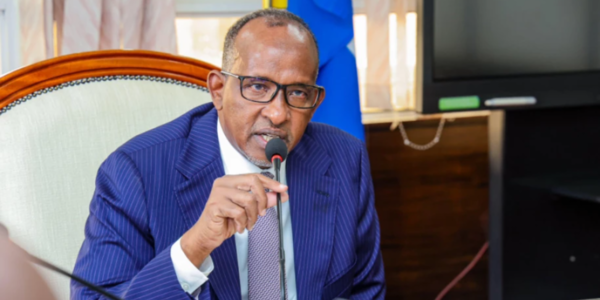
The restriction is part of strict new health regulations tabled in Parliament as the government steps up measures to control the virus. Under the Public Health (Ebola Disease) Rules, 2026, the transfer or repatriation of remains of anyone who dies of Ebola abroad is completely prohibited. Health Cabinet Secretary Aden Duale presented the statutory instrument to the National Assembly Delegated Legislation Committee on Thursday.
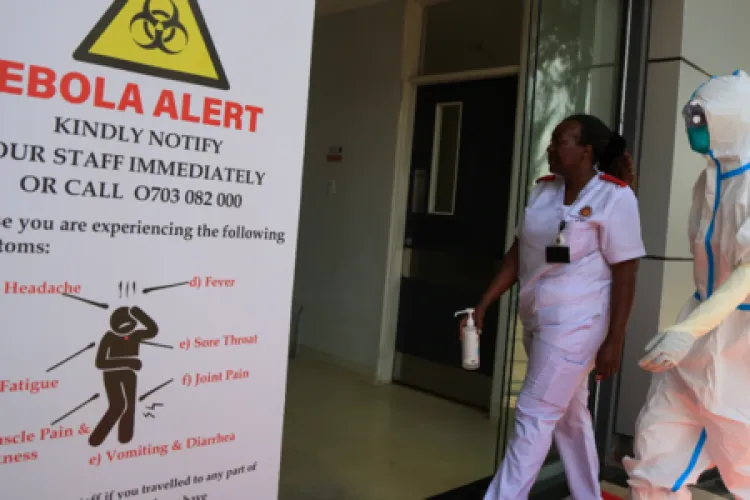
For deaths occurring within Kenya, the regulations mandate that only trained personnel using protective equipment handle the bodies. Deceased victims must be placed in sealed, leak-resistant body bags, and traditional practices such as washing, embalming, or redressing the body are banned.
However, Mr Duale assured the committee that families will still be allowed to attend interments. He noted that burials will adhere to Christian or Islamic customs within the limits of public health protocols to ensure victims receive a dignified send-off.
The regulations also introduce mandatory screening and registration for citizens arriving from high-risk areas, including Kenyans returning from the Democratic Republic of Congo (DRC) for the Christmas holidays. Port health officers have been empowered to isolate suspected cases and quarantine contacts at designated facilities for 21 days.
Despite these measures, Mr Duale clarified that no Kenyan will be denied entry solely for having visited an affected region, citing protections under Section 33(2)(a) of the Kenya Citizenship and Immigration Act. Quarantined individuals may also be released early if they test negative on two separate diagnostic tests.
The parliamentary committee, chaired by Ainabkoi MP Samuel Chepkonga, is currently reviewing the rules to ensure they align with the Constitution before making recommendations to the House.
The legislative push comes as Kenya makes progress in containing its current Ebola outbreak. On Friday, November 6, the Ministry of Health discharged its sixth Ebola patient following a full recovery and negative test results.
Health Director General Dr Patrick Amoth confirmed that only one patient remains under treatment. The country has recorded nine confirmed cases in total, all linked to a single imported case, with two deaths and six recoveries.
Dr Amoth added that 66 contacts have completed their 21-day observation period, while the remaining 52 contacts are expected to finish monitoring by November 11.
Despite 18 consecutive days without a new case since October 19, public health officials warned that the official 42-day countdown to declare the outbreak over has not yet started. Under World Health Organisation guidelines, the clock begins only after the final patient tests negative twice and leaves isolation.

Comments
No comments yet — be the first.