


Students Attack KCSE Monitoring Team and Snatch Gun at Nyabisase Secondary School

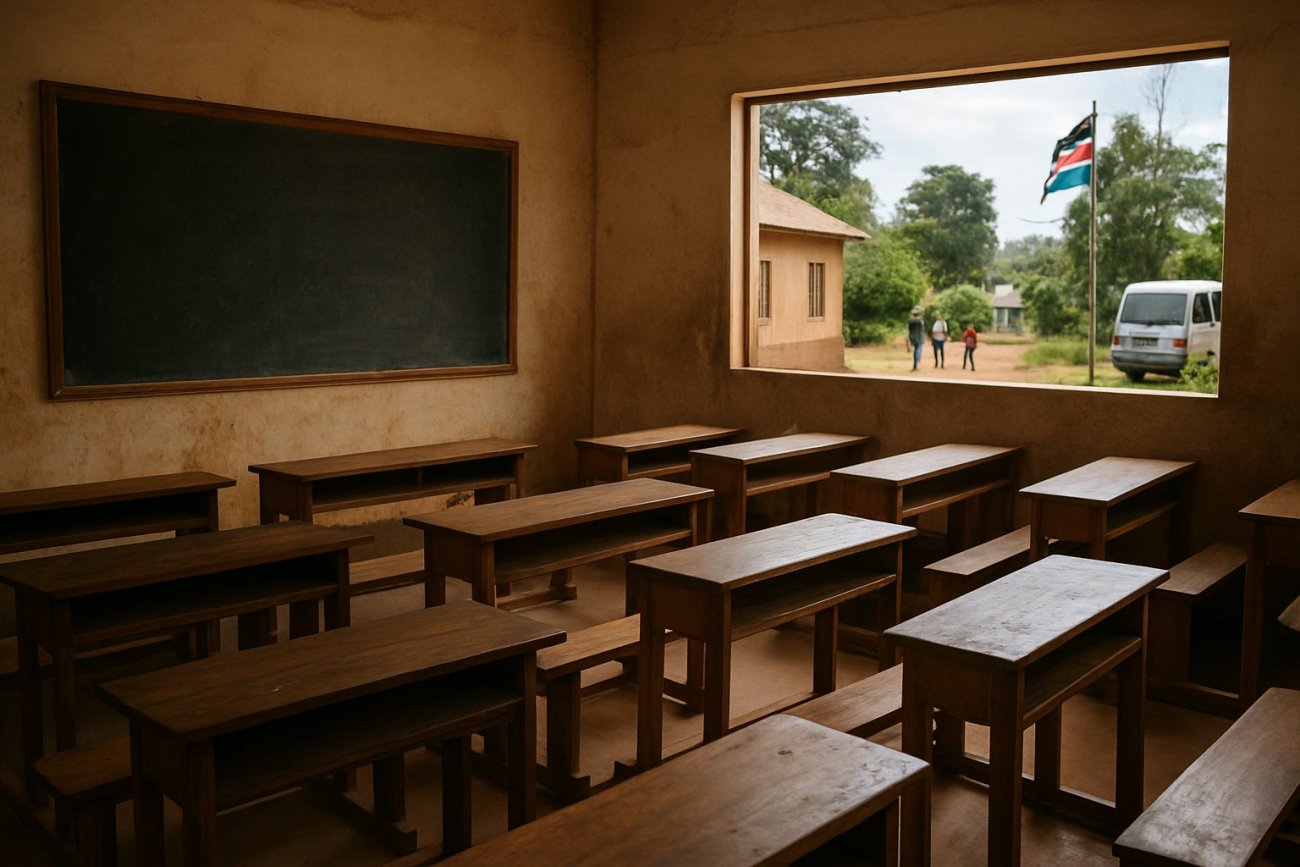
Students at Nyabisase Secondary School in Kenya attacked a team monitoring the ongoing Kenya Certificate of Secondary Education (KCSE) examinations and snatched a gun during the confrontation, the Daily Nation has reported.
The incident took place at the school as the national examinations were being administered across the country. The monitoring team was at the institution in the course of duties connected to the examination when students turned on the visitors, and a firearm was snatched in the ensuing confrontation. The report did not indicate whether the weapon has been recovered, whether any injuries were suffered, or whether any arrests have so far been made.
The KCSE is the final national examination sat by secondary school candidates in Kenya. It is administered by the Kenya National Examinations Council (KNEC), the State body charged with conducting national examinations and certifying results. Performance in the KCSE determines candidates' eligibility for university admission and placement into colleges and other tertiary institutions, making the examination one of the most consequential exercises in the country's education calendar. The examination is normally written in the closing months of the school year, with practical papers preceding the written sittings.
Monitoring teams are a central plank of the measures used to protect the integrity of the examination. Deployed by KNEC and the Ministry of Education, the teams make rounds of examination centres while papers are in progress. Their duties include confirming that examination containers are opened on schedule and papers distributed as required, checking that invigilators, supervisors and centre administrators are at their stations, verifying candidate attendance and registration details, and looking out for malpractice. Visits are frequently unannounced, and teams often travel with security escorts, with officers assigned to examination duties at times armed.
Examination administration in Kenya is run as a multi-agency operation. Examination papers are held in sealed containers under guard and are collected each morning by centre managers accompanied by security personnel, then returned once the day's sittings have ended. Access to examination rooms is restricted to candidates, invigilators and authorised officials, while mobile phones and other unauthorised materials are prohibited in examination halls.
KNEC holds wide powers to act where irregularities are established. The council can cancel or withhold the results of candidates implicated in malpractice, and results for entire centres can be withheld while investigations are carried out. Centre administrators and invigilators are expected to enforce examination regulations at their stations and can be answerable for lapses that occur under their watch. Controls around the examinations have been tightened over successive examination cycles amid recurring concerns about cheating.
Under Kenyan law, disarming an officer and attacking officials carrying out public duties constitute criminal offences, and such matters are investigated by police and prosecuted through the courts.
The attack occurred during one of the most heavily guarded periods in the education calendar. Each examination season, the government mobilises security officers, education officials and examination council staff across the country to manage the exercise and secure examination materials from distribution to the return of scripts for marking.
Beyond the monitors, the examination system relies on centre managers, supervisors and invigilators drawn from the teaching service, working under sub-county and regional education officers who oversee the conduct of the exercise in their areas. Candidates sit their papers in registered examination centres, of which Nyabisase Secondary School is one.
Results of the KCSE are announced by the Ministry of Education once marking and processing are completed. Candidates' grades are then used by the central placement body that allocates government-sponsored positions in universities and colleges.
The examinations were continuing nationwide as reports of the incident emerged, with candidates at centres across the country sitting their papers under the supervision of invigilators and centre administrators appointed for the exercise.





Comments
No comments yet — be the first.