

USCIS Denies 35,767 Green Card Applicants’ Work Permits as Rejection Rate Hits 44%
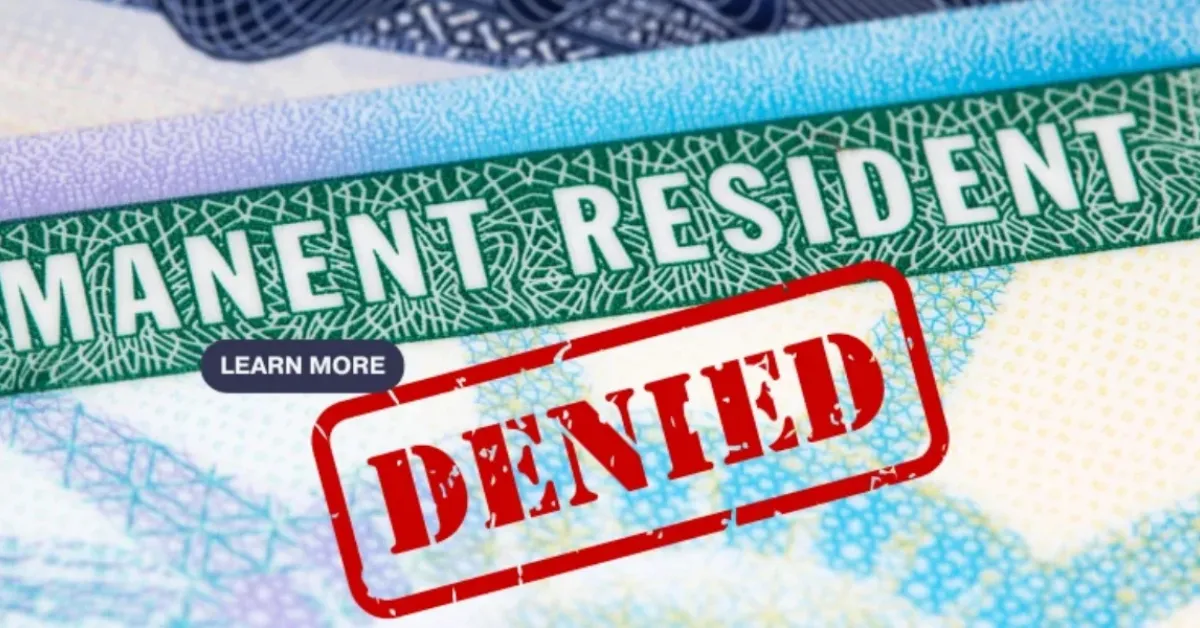
US Citizenship and Immigration Services (USCIS) recorded higher denial rates across several major immigration categories between April and June 2026, including work permits, family-sponsored petitions, temporary work visas and citizenship applications.
Figures for the third quarter of the 2026 fiscal year show that more applications were rejected in several categories, even as thousands of cases continued to be approved. The data also reveal substantial backlogs, with applicants facing long waits for decisions on work authorisation, permanent residence and naturalisation.
One of the sharpest increases involved Form I-765 applications for employment authorisation filed by people seeking permanent residence through adjustment of status. USCIS denied 35,767 applications during the quarter, exceeding the combined number of denials recorded in the first six months of the fiscal year. Nearly 44 per cent of decisions in this category were refusals, compared with about 25 per cent earlier in the year.
These applications are important for foreign nationals who are already in the US and need permission to work while their green card applications are being processed. The higher denial rate means more applicants may face difficulties obtaining or maintaining work authorisation while waiting for permanent residence decisions.
Family-sponsored immigration also recorded a decline in approval rates. USCIS received more than 126,000 Form I-130 petitions for immediate relatives during the quarter, approving 82,636 and denying 16,661. The denial rate rose to about 17 per cent, up from approximately 10 per cent earlier in the fiscal year.
The backlog in this category approached 787,000 pending cases, while the median processing time reached 13 months. The figures indicate that families seeking to reunite in the US continue to face lengthy waits, alongside a higher likelihood of rejection.
Temporary work visa petitions also recorded increased denial rates. USCIS processed more than 220,000 Form I-129 applications during the quarter, denying 39,560. The denial rate rose to approximately 22 per cent, compared with around 13 per cent earlier in the fiscal year.
Form I-129 is used for several temporary employment categories, including the H-1B visa programme for specialised workers. Nearly 193,000 cases remained pending, while the median processing time reached 9.5 months.
The figures come as employers in sectors such as technology, engineering and healthcare continue to rely on international recruitment to fill specialised positions. Higher denial rates and lengthy processing times may create additional challenges for businesses seeking to recruit or retain foreign workers.
Employment-based green card petitions also experienced an increase in refusals. Form I-140, which employers use to petition for foreign workers seeking permanent residence, recorded a denial rate of about 16 per cent, up from 13 per cent earlier in the fiscal year.
Despite the increase, the median processing time remained relatively short at 3.9 months. However, more than 203,000 petitions were still awaiting decisions at the end of the quarter.
Investor immigration programmes recorded mixed results. Standalone EB-5 investor petitions filed through Form I-526 remained uncommon, with only 66 applications recorded during the quarter. The median processing time exceeded 32 months.
The regional centre programme, which uses Form I-526E, had a shorter median processing time of 13.6 months. However, its denial rate rose to approximately 24 per cent, indicating that faster processing did not necessarily translate into a greater likelihood of approval.
Some immigration categories continued to record relatively stable outcomes. Employment authorisation applications filed by asylum applicants had a denial rate of about 8 per cent, with a median processing time of less than one month. Employment-based adjustment-of-status applications also maintained a relatively low denial rate of around 7 per cent, broadly unchanged from earlier quarters.
Applicants under the Deferred Action for Childhood Arrivals (DACA) programme recorded particularly high approval volumes. USCIS approved more than 76,000 related work permit applications during the quarter, while denying only a few hundred. Approvals were substantially higher than during the first half of the fiscal year.
Backlogs nevertheless remained a major feature of the immigration system. The broad category of other Form I-765 work permit applications had nearly 1.1 million pending cases, making it one of the largest queues recorded in the data.
Family-sponsored petitions, citizenship applications and work permits linked to adjustment of status also had hundreds of thousands of unresolved cases. These backlogs can leave applicants waiting for extended periods before receiving decisions on their immigration status or permission to work.
Naturalisation applications recorded a similar increase in denials. USCIS rejected approximately 19 per cent of Form N-400 citizenship applications decided during the quarter, compared with about 13 per cent earlier in the fiscal year. More than 727,000 naturalisation cases remained pending at the end of June, with a median processing time of 9.5 months. The figures show that applicants seeking US citizenship are also facing higher denial rates alongside substantial delays.
Overall, the third-quarter figures show that denial rates increased across several important immigration categories, although the pattern varied by programme. Some pathways, including work permits for asylum applicants and DACA recipients, continued to record comparatively favourable outcomes.













Add new comment