
Iranian Hostilities in Strait of Hormuz Fuel Global Oil Price Surge

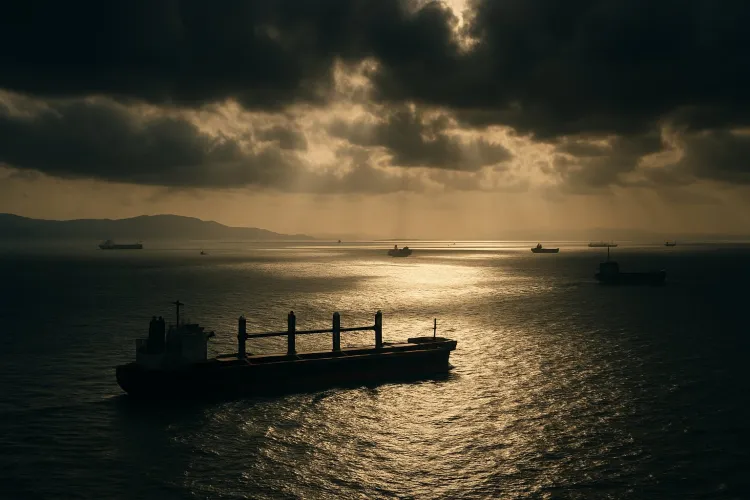
Crude oil prices have surged to levels unseen prior to the Russia-Ukraine conflict, following Iran's latest aggressive maneuvers in the strategically critical Strait of Hormuz. The narrow waterway, through which nearly 20% of global oil shipments pass, has become a focal point of geopolitical tensions affecting global energy markets. Iran's recent actions, including a confrontation involving the seizure of a commercial tanker, have underscored its ability to influence energy prices through strategic military posturing.
The Iranian Revolutionary Guard Corps has reportedly escalated its presence in the Strait, with Western officials expressing heightened concern over the implications for international oil supplies. "Iran's capacity to disrupt this vital channel is significant," remarked U.S. Secretary of State Marco Rubio in a statement, emphasizing the broader impact on global energy security. "We are closely monitoring the situation to ensure the free passage of commercial vessels," he added.
Global oil prices, already volatile due to various geopolitical and economic factors, reacted sharply to the developments. Brent crude, the international benchmark, rose by 5% to reach $90 per barrel, its highest level in over a year. This spike reflects market anxieties about potential supply disruptions and the broader implications for global trade and economic stability.
Experts warn that continued instability in the region could exacerbate inflationary pressures worldwide, particularly affecting import-dependent developing economies. "The repercussions of such volatility extend beyond immediate price hikes," commented Fatih Birol, Executive Director of the International Energy Agency. "For countries in Africa and other emerging markets, sustained high oil prices could significantly impact economic growth and development efforts."
The United States and its allies in the region, including Saudi Arabia and the United Arab Emirates, are reportedly bolstering naval patrols to deter further Iranian hostilities. Diplomatic channels remain active, with efforts underway to de-escalate tensions through backdoor negotiations. However, the situation remains fluid, with the potential for further confrontations looming large.
In the context of global energy policy, the incident underscores the fragility of the current geopolitical landscape and the urgent need for diversified energy sources. Nations are increasingly considering the strategic importance of energy independence and the role of renewable resources in mitigating reliance on volatile oil markets.
Looking ahead, the international community will be watching Iran's actions closely, as any further escalation could lead to additional sanctions and a reevaluation of diplomatic strategies aimed at curbing Tehran's regional ambitions. The recent developments serve as a stark reminder of the interconnectedness of global markets and the profound impact that regional conflicts can have on the worldwide economic landscape.




Comments
No comments yet — be the first.